


What documents buying a house in Costa Rica requires
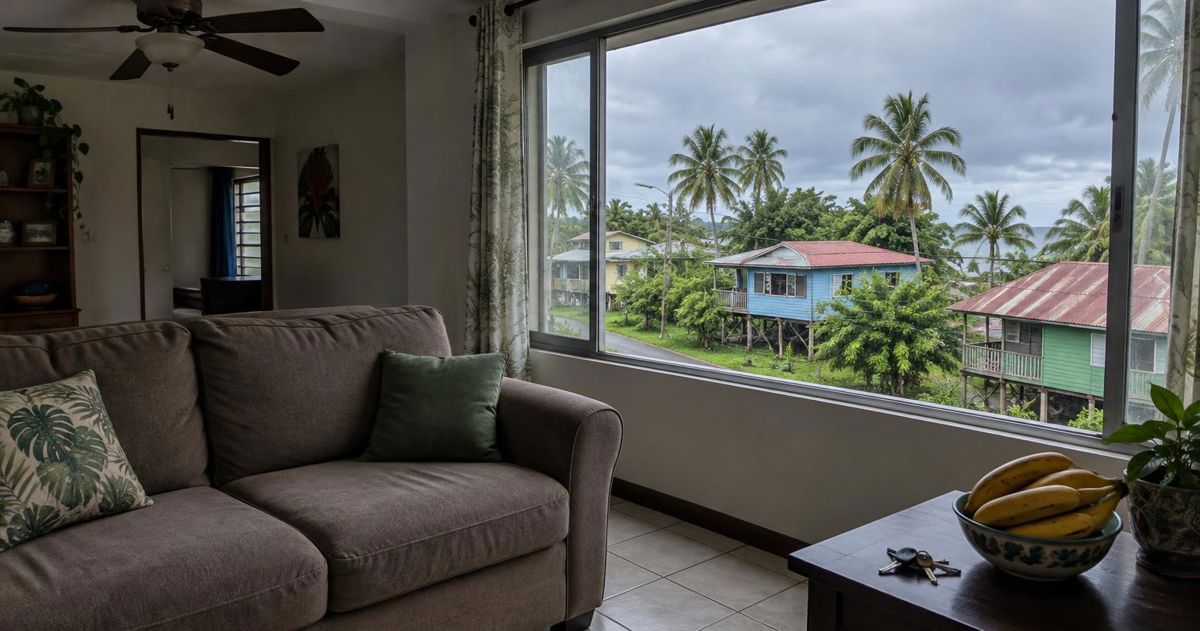
Buying a house in Costa Rica is, to a large extent, a matter of reviewing paperwork: the literal certification from the National Registry, the cadastral map, the municipal certificates and, at the end, the deed signed before the notary. This guide explains which documents are requested, who provides them and what each one is for, both for buyers paying in cash and for those who need a loan.
What documents are needed to buy a house in Costa Rica?
The list changes little from one purchase to another. There are documents that identify the parties, documents that describe the property and documents that prove it carries no debts. The first group is the identity card of the buyer and the seller (or the DIMEX or passport if either is a foreigner) and, when the house belongs to a corporation, the legal standing certificate that shows who can sign on its behalf. The second group comes from the National Registry: the literal certification of the property and the cadastral map. The third comes from the canton's municipality and from the companies that supply water and electricity.
It is best to gather them before signing a purchase option or handing over a deposit, not afterwards. If you are still comparing homes for sale in Costa Rica, asking the advertiser for the property number and the map number is the quickest way to know whether the property is in order: with those two pieces of data you can check the Registry yourself before visiting the house. The following table summarises which document is requested, who provides it and what it is for.
| Document | Who provides or issues it | What it is for |
|---|---|---|
| Identity card, DIMEX or passport | Buyer and seller | Identifies those who sign the deed |
| Legal standing certificate | The corporation that sells or buys | Shows who can sign for the corporation |
| Literal certification | National Registry | Shows the owner, the property description, the liens and the notes |
| Cadastral map | National Cadastre | Draws the land, its size and its neighbouring properties |
| Municipal tax certificate | Canton municipality | Proves that property tax and municipal fees are paid up |
| Land use certificate | Canton municipality | States what may be built or done on the land |
| Water and electricity bills | Seller | Show that the services have no outstanding balances |
| Condominium fee certificate | Condominium administrator | Proves that the unit is up to date with its fees |
| Sale deed | Notary | Formalises the purchase and is presented to the Registry for recording |
The notary reviews almost all of these documents before the signing, but works with what he is given and with the date on which he receives it. Your own early review does not replace his; it lets you negotiate with information and saves you weeks if a problem appears that the seller must solve before signing.
Advertisements
Which documents must the seller provide?
In practice, the burden of proving that the house is in order falls on the seller. A prepared seller has the documents in the following list at hand; one who resists providing them, or offers them only after receiving a deposit, is giving you a signal worth taking seriously. Ask for copies and keep them: the notary and, if there is a loan, the bank will request them again.
- Valid identification and, if the house belongs to a corporation, the legal standing certificate and the resolution authorising the sale.
- The property number and the cadastral map number, to request the literal certification and the map.
- The municipal certificate showing that property tax and service fees are paid up.
- Recent water and electricity bills, with no outstanding balances.
- If the house has a mortgage, a statement from the lending bank with the balance, so it can be cancelled in the same deed.
- If the house is registered as family property, the signature of the spouse or partner to lift that designation or, if the owner has no spouse or partner, a court authorisation.
Two more documents are usually requested even though the law does not require them for the signing: the municipality's land use certificate, which states whether housing is permitted on the land and what may be extended, and the construction plans or building permit, if the house is recent or has had extensions. The latter matters when the built house is larger than what the municipality has on record, because that difference can bring charges or pending procedures for the new owner.
What do the literal certification and the cadastral map show?
The literal certification is the official copy of what the National Registry currently has recorded on a property. It states who the owner is and with which identity number, the nature of the property (for example, land with a house), its location by province, canton and district, the size, the boundaries and the associated map. The most important part for the buyer comes at the end: the liens, such as mortgages and easements, and the notes, such as embargoes, lawsuits or other deeds that have been presented but not yet recorded. A pending note can completely change the meaning of a purchase.
- Obtain the property number and the province where it is recorded; the seller or the advertiser has them.
- Log in to the National Registry website with your user account, or go to one of its offices or an authorised entity.
- Request the literal certification of the property and pay the corresponding stamp duty.
- Download the digitally signed document, which is valid before the notary and the bank.
- Check the owner, the liens and the notes, and request a fresh certification close to the signing date.
The cadastral map is the official drawing of the land recorded in the National Cadastre: its shape, its size, its neighbouring properties and its location. When reviewing it, check that its number is the same as the one on the literal certification, that the size matches, that the land fronts a public street or a recorded easement, and that the house and its walls do not encroach on the neighbour or the street. Walk the lot with the map in hand: moved fences are more common than they seem.
A difference between the map and reality does not always prevent a purchase, but it requires correcting it before the signing or adjusting the price. That review is even more necessary among cheap homes for sale in Costa Rica: a price well below the usual level is sometimes explained by land without a recorded access, a map without municipal approval or a property with notes the listing does not mention.
What data must the deed contain and when is it recorded?
The purchase is formalised before a notary. Under article 450 of the Código Civil, to record a sale in the Registry the title must be in a public deed, a final judgment or another authentic document expressly authorised by law. A private document signed between the parties, even if it works as a promise, is not enough for the house to be recorded in the buyer's name in the National Registry.
Nor can the deed describe the house in just any way. Article 88 of the Código Notarial (Law 7764) requires the deed for a property to be recorded to state the province and the property number, and expressly its nature, size, location and boundaries. Before signing, compare that data with the literal certification and the map: the names of the neighbouring owners, the size and the district must match. An error in the deed can delay the recording and require an additional deed to correct it.
Signing does not end the process: the deed still has to be presented to the Registry. Article 455 of the Código Civil provides that an unrecorded purchase does not affect third parties until the date it is presented to the Registry, and that if the deed is presented more than 3 months after execution and an embargo or attachment is already noted, that note prevails unless the buyer proves in ordinary proceedings that his right is genuine and not simulated. Ask the notary to present the deed immediately and to give you the presentation receipt.
The transfer tax comes with the deed. Articles 4 and 7 of the Real Estate Transfer Tax Law (Law 6999) establish that it is paid within 15 business days after the deed is executed and that it is calculated on the real value of the transaction, which must match the usual market value and can never be lower than the highest value recorded under the Property Tax Law. That is why it is worth checking the agreed price against home prices in Costa Rica; the other signing expenses are explained in what buying a house costs on top of the price in Costa Rica.
What does the bank ask for to approve the loan?
A home loan in Costa Rica is assessed on two fronts: the repayment capacity of the applicant and the value of the house that serves as collateral. Each bank, mutual or cooperative has its own form, but the applicant's documents are very similar from one institution to another. Gathering them before making an offer lets you know how much you can count on and respond quickly when the seller asks for a signing date.
- The valid identity card or DIMEX of the applicant and, if there is one, of the co-borrower.
- If employed, the salary certificate and the employer report from the Costa Rican Social Security Fund.
- If self-employed, the income tax returns and an income certification issued by an authorised public accountant.
- Bank statements from recent months and the details of current debts.
- Signed authorisation for the institution to check the applicant's credit history.
On the house side, the bank requests the literal certification, the cadastral map, the purchase option or the agreement signed with the seller and, above all, an appraisal carried out by an appraiser appointed by the institution itself. The appraisal may come in below the agreed price; in that case the bank lends on the appraised value and you cover the difference. The loan also requires life and fire insurance, and the mortgage is recorded in the same deed as the purchase.
What changes if the house is in a condominium?
In a condominium, the house is a unit property with its own number, part of a master property with common areas. The literal certification of the unit remains essential, but a key document is added. Article 21 of the Condominium Property Law (Law 7933) provides that anyone selling a unit must give the notary a certificate from the administrator that the fees are paid up; if they are in arrears, the buyer becomes jointly liable for the certified amount, though he may recover from the seller what he has to pay for it.
In addition to that certificate, request the condominium's bylaws, the recent minutes of the owners' assembly and the year's budget. The bylaws state what is allowed: pets, extensions, renting to third parties or commercial use. The minutes show whether special assessments have been approved, works are pending or there are disputes with the developer. A special assessment approved before the purchase may end up being paid by you, so it is worth setting out in writing in the purchase option who covers each charge.
What we would do before signing
- Request the literal certification and the map before handing over any deposit, and repeat the certification close to the signing.
- Walk the land with the cadastral map and note any difference in size, boundaries or access.
- Read the draft deed with the certification alongside and confirm province, property number, size and boundaries.
- Require the notary to present the deed to the Registry immediately and to hand over the receipt that proves it.
- If the loan or the document review is delayed, rent in the meantime among homes for rent in Costa Rica rather than sign with incomplete papers.
Frequently asked questions
How do you check that municipal taxes are paid up?
You ask the municipality of the canton where the house is located for a certificate of being up to date, in the owner's name or by property number. Many municipalities issue it online or through their service platform. The certificate must cover property tax and the fees for waste collection, street cleaning and other services. Also check that the property's property tax declaration has been filed, because that declared value serves as a reference for the transfer tax.
How do you confirm that water and electricity have no debts?
Ask the seller for the recent bills and the service or meter number for each one. With that number you can check the balance with the entity that supplies water (AyA, the municipality or the local ASADA) and with the area's electricity distributor. The usual practice is to agree in the purchase option that the seller pays for everything consumed until handover and that the services are transferred to the new owner's name that same day.
What happens if the house has no cadastral map or the map does not match?
Without a recorded map linked to the property, the purchase becomes complicated and the bank will usually not approve the loan. If the map exists but does not match the land, a surveyor is needed to draw a new map and record it in the National Cadastre, with the municipality's approval. That process takes time and has a cost, so it is worth agreeing in writing who covers it and whether the signing waits until the corrected map is recorded.
What should you do if the loan process drags on?
Ask the seller to extend the term of the purchase option in writing and make clear what happens to the deposit if the bank does not approve. In the meantime, keep your documents current: an old salary certificate or literal certification forces you to start over. If you need to move before the signing, a temporary option is cheap homes for rent in Costa Rica, with a short contract that does not tie you down once the purchase goes through.
This guide summarises common practice in Costa Rica for gathering and reviewing the documents for buying a house. It does not replace the advice of a lawyer or a notary, who should review your specific case before you sign.
Advertisements
More in Documentation

Buying Process, Documentation
How to spot a scam when buying a house in Costa Rica

Buying Process, Documentation
Keys for an effective negotiation in home buying

Buying Process, Documentation
How to assess financial viability before buying a home

Buying Process, Documentation
How to choose the right real estate agent for your purchase
Most viewed in Buying Process

Buying Process, Common Mistakes
Frustrating purchases due to ignoring return policies

Buying Process, Common Mistakes
Mistakes when overlooking the extended warranty in your purchases

Buying Process, Advice
How to build a priority system for your household purchases
Buying Process, Procedures
How to buy a house in Costa Rica, step by step