


Home inspection before buying: what to check and what to do
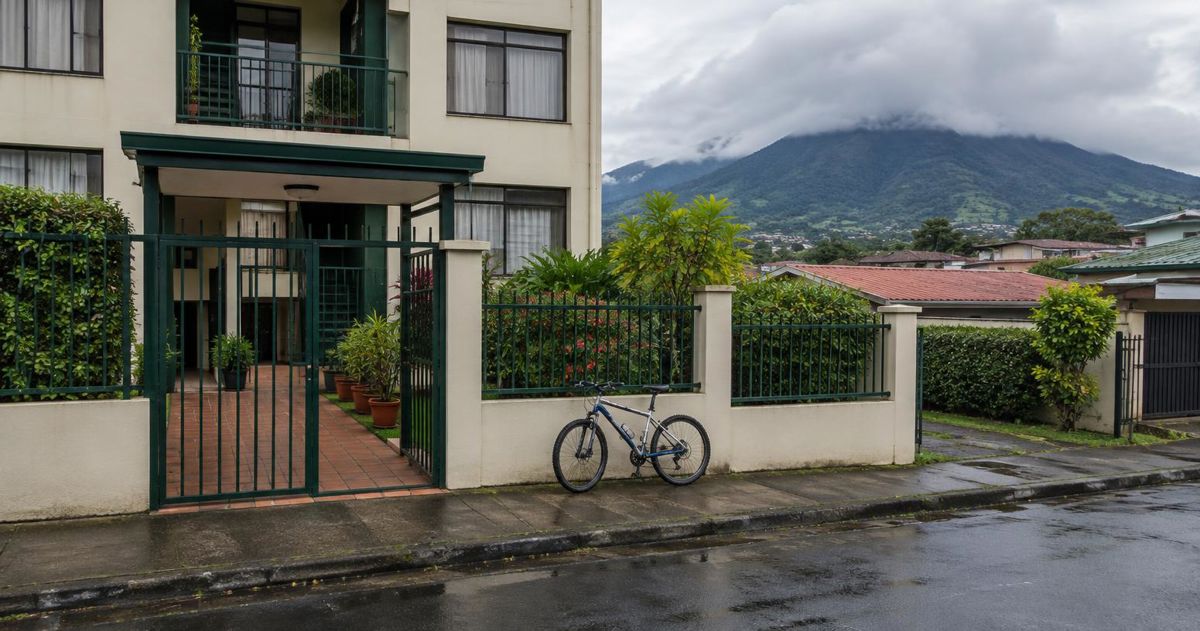
A house can look spotless on a showing and still hide a roof leak, an overloaded electrical panel or a pipe losing water under the floor. This guide is for anyone about to buy a house in Costa Rica who wants to know what a technical inspection checks, how to choose the person who does it and what to do with the report before signing the deed.
What does an inspection check before buying a house?
A technical inspection is a review of the physical condition of the house, carried out by a professional before you commit to the purchase. It covers the structure, the roof, the electrical system, the plumbing, the drainage, the doors and windows, and it looks for signs of moisture or ground movement. The result is a written report, with photos, that separates what is urgent from what is cosmetic. If you are already comparing options among the homes for sale in Costa Rica, it makes sense to save this step for the house you really want, before handing over money or signing any document.
In Costa Rica the inspection has its own emphasis. The country is seismic, so the structure and any additions matter more than in other markets. The rainy season, from May to November in the Central Valley and the Pacific, puts roofs, gutters and drains to the test; on the Caribbean side it rains all year and moisture is constant. Near the sea, salt air corrodes roofing sheets, rebar and security bars. In mountain cantons, such as those in Cartago, Heredia or Pérez Zeledón, slopes and embankments deserve a separate look.
| Area | What is checked | Warning sign |
|---|---|---|
| Structure | Columns, beams, walls, foundations and additions | Diagonal cracks, uneven floors |
| Roof | Sheets, screws, ridge cap, gutters and downspouts | Rust, leaks, stained ceiling |
| Electrical | Panel, breakers, wiring, outlets and grounding | Tripping breakers, exposed wires |
| Plumbing | Pressure, pipes, faucets, drains and septic tank | Meter turning with everything off, bad smells |
| Moisture | Walls, floors, closets and ceiling | Mold, bubbling paint, musty smell |
| Lot and drainage | Slope, embankments, storm drainage and yard | Standing water, sliding soil |
| Doors and windows | Frames, locks, bars and seals | Doors that rub, rotten frames |
| Finishes | Floors, tiling, paint and built-in furniture | Loose pieces, recent touch-ups with no explanation |
The inspection has limits worth knowing. It is mostly visual and done with simple instruments: it does not open walls or lift floors, and it does not guarantee that the house is free of defects. Nor does it cover the legal side or the permits: whether the property is registered to the seller or carries liens is the notary's job, and whether the additions have a permit is checked with the municipality. The two reviews complement each other, and neither replaces the other.
Advertisements
How are the wiring, plumbing and roof checked?
The electrical system is behind many expensive problems and some dangerous ones. The inspector opens the panel and checks that each circuit has a correctly sized breaker, that there is a ground connection and that wires are neither overheated nor spliced with tape. In older houses it is common to find original ungrounded wiring and outlets added along the way. It is also worth confirming that the system can handle what you plan to use: an electric stove, a water heater, air conditioning on the coast or an electric car in the carport.
For the plumbing, the simplest test is to shut every faucet and watch the water meter: if it keeps turning, there is a leak somewhere. The inspector checks pressure at showers and sinks, the condition of visible pipes and how long the drains take to empty. Ask whether the house is connected to the sewer or uses a septic tank; in the latter case, ask for it to be located and its drainage checked, because a saturated tank shows up late and fixing it means digging up lawn or floor.
The roof is checked from outside and from inside. Outside: sheets without rust, screws with their washers, a well-sealed ridge cap and gutters and downspouts clear of leaves. Inside: the ceiling, where a yellow stain or a sagging section gives away an old or active leak. If you can, visit the house during or right after a downpour, which is easy in the rainy season: water shows in minutes what a dry day hides.
Before hiring the inspector, you can do a first check yourself during the showing:
- Open and close every faucet and watch the water meter.
- Turn on the lights and test the outlets with a phone charger.
- Look at the ceiling of every room for stains.
- Open closets and kitchen cabinets: that is where moisture tends to hide.
- Ask how old the roof and the electrical system are.
Which moisture, cracks and hidden defects should you look for?
Moisture is the most common problem in Costa Rican houses and one of the hardest to fix. It has two different sources. Moisture rising from the floor through the walls leaves stains low down and paint that bubbles; moisture coming in through the roof, the windows or a pipe leaves high or localized stains. Mold in closets and a musty smell are clear signs. Fresh paint on a single section deserves a direct question to the seller: sometimes it covers a problem that is still there.
Not every crack is serious. Fine hairline cracks in the plaster are usually superficial. More worrying are diagonal cracks running from the corners of doors and windows, cracks that go through the wall, uneven floors and doors that no longer close. In a seismic country, it also matters how an addition was joined to the original house: a second floor or an extra room built without a professional's design can behave differently in an earthquake. Ask whether the additions have a municipal permit.
Hidden defects are flaws the house already had before the sale and that an attentive buyer could not see on the showing: a broken pipe under the floor, damaged structure behind the tiling, poorly compacted fill. In Costa Rica the seller may have to answer for them in certain cases, but claiming them after the purchase tends to be slow, expensive and hard to prove; to assess a specific case, consult a lawyer. A prior inspection does not remove that risk, but it reduces it and records the condition in which you received the house.
The review matters even more for lower-priced houses or ones that have stood empty for a while. Among the cheap homes for sale in Costa Rica there are real opportunities, but a low price sometimes reflects pending repairs. With the report in hand, you know how much of that discount will go to repairs and can decide with your own numbers, not with the impression from the showing.
How to choose the inspector and what drives the cost?
Look for a civil engineer, an architect or a technician with proven experience inspecting homes, ideally registered with the Colegio Federado de Ingenieros y de Arquitectos de Costa Rica. Independence matters most: the inspector works for you, not for the seller or the broker. A recommendation from the agent may be good, but it is worth comparing it with another option and asking for a sample report from a previous inspection. A good report includes photos, locates each finding and says how urgent it is.
Before hiring, it is worth asking these questions:
- Which areas does the inspection cover and which are left out?
- What equipment do you use: moisture meter, thermal camera, electrical tester?
- How long does it take to deliver the report and in what format?
- Can I come along during the visit to ask questions?
- Have you inspected houses of the same type and in the same area?
There is no single fee for a technical inspection. The cost depends on the size of the house and the number of floors, its age, how far the inspector has to travel, especially outside the Central Valley, and on extra tests: thermal imaging, a camera inside the pipes, a septic tank check or a soil study on sloping properties. Ask for the quote in writing with a detailed scope; two prices can only be compared if they cover the same work.
Seen within the whole purchase, the inspector's fee is small next to the notary's fees, taxes and registration costs, which are covered in the guide on what buying a house costs on top of the price in Costa Rica. It is worth including it in the budget from the start, along with a margin for the repairs the report may reveal.
What to do with the inspection findings before signing?
Almost no house comes out of an inspection without remarks, and that should not alarm you. The useful step is to sort the findings into three groups: safety issues, such as an electrical hazard or structural damage; costly ones, such as a roof that needs replacing or a leak under the floor; and cosmetic ones, which you can deal with over time. The first two groups are the ones you negotiate.
- Read the full report and ask the inspector to explain each important finding.
- Get quotes for the safety and costly repairs from one or two contractors.
- Present the findings and quotes to the seller and propose a solution: a price cut, repairs before the transfer or holding back part of the payment.
- Put the agreement in writing in the purchase option or the contract, reviewed by your notary.
- Schedule a second visit before signing to confirm the repairs were done.
Timing matters. Ideally, inspect before paying earnest money or a deposit, or state in the document that the purchase is subject to a satisfactory inspection; that way, if a serious problem appears, you can walk away without losing money. To judge whether a price cut makes sense, compare against home prices in Costa Rica in similar areas: a house with pending repairs should ask less than one that is ready to move into.
If the seller refuses to negotiate a serious problem, walking away is also a valid decision. Paying for the inspection of a house you end up not buying is not money lost: it is what spared you a bigger repair later.
What we would do
- Hire the inspection before paying any deposit, with a professional who works only for the buyer.
- Visit the house on a rainy day to see the roof, gutters and drains at work.
- Ask for the report with photos and separate the urgent from the cosmetic before talking to the seller.
- Negotiate with quotes in hand and put every agreement in writing, reviewed by the notary.
- If the house fails the inspection, rent while the search continues: among the homes for rent in Costa Rica there are options to buy time without rushing a purchase.
Frequently asked questions
How is an inspection different from an appraisal?
The inspection answers whether the house is in good condition; the appraisal answers how much it is worth. The appraisal is usually ordered by the bank when there is a loan, done by an appraiser who estimates value based on the land, the construction and sales in the area, and its purpose is to protect the bank. It may mention obvious defects, but it does not check the electrical panel or look for leaks. So even if the bank does the appraisal, the inspection remains your decision and for your benefit.
Is it worth inspecting a new house or a condo apartment?
Yes. A newly built house can have construction defects that show up in the first months: badly sloped floors in bathrooms and terraces, incomplete window seals or unfinished installations. In an apartment the inspection focuses on the unit, but it is worth asking the condominium administration about the condition of the shared roof, the water tanks and known leaks, and requesting the assembly minutes, where the building's problems usually appear.
Can the seller refuse an inspection?
They can, but it is a signal worth reading carefully. A seller who trusts their house usually accepts an inspector's visit, especially if it is arranged in advance and at a reasonable time. If they refuse, you can ask for the purchase to be subject to the inspection, offer that the inspector will not run invasive tests or, if there is no agreement, consider other options before committing to a house you could not inspect.
Is an inspection useful if you are going to rent?
A full inspection is not usually hired for a rental, but the same checklist is useful on the visit: moisture, water pressure, outlets and roof. Before signing, it is worth taking photos of the condition of the house and attaching them to the lease. Anyone searching among the cheap homes for rent in Costa Rica has even more reason to check calmly, because pending repairs are better discussed before moving in.
This guide summarizes common practice in Costa Rica for inspecting a house before buying it and does not replace the advice of a lawyer, a notary or an engineering or architecture professional who reviews your specific case. The conditions of each purchase, the house and the contract can change what is advisable.
Advertisements
Most viewed in Buying Process

Buying Process, Common Mistakes
Frustrating purchases due to ignoring return policies

Buying Process, Common Mistakes
Mistakes when overlooking the extended warranty in your purchases

Buying Process, Advice
How to build a priority system for your household purchases
Buying Process, Procedures
How to buy a house in Costa Rica, step by step