


Family home protection: what it shields and what it changes
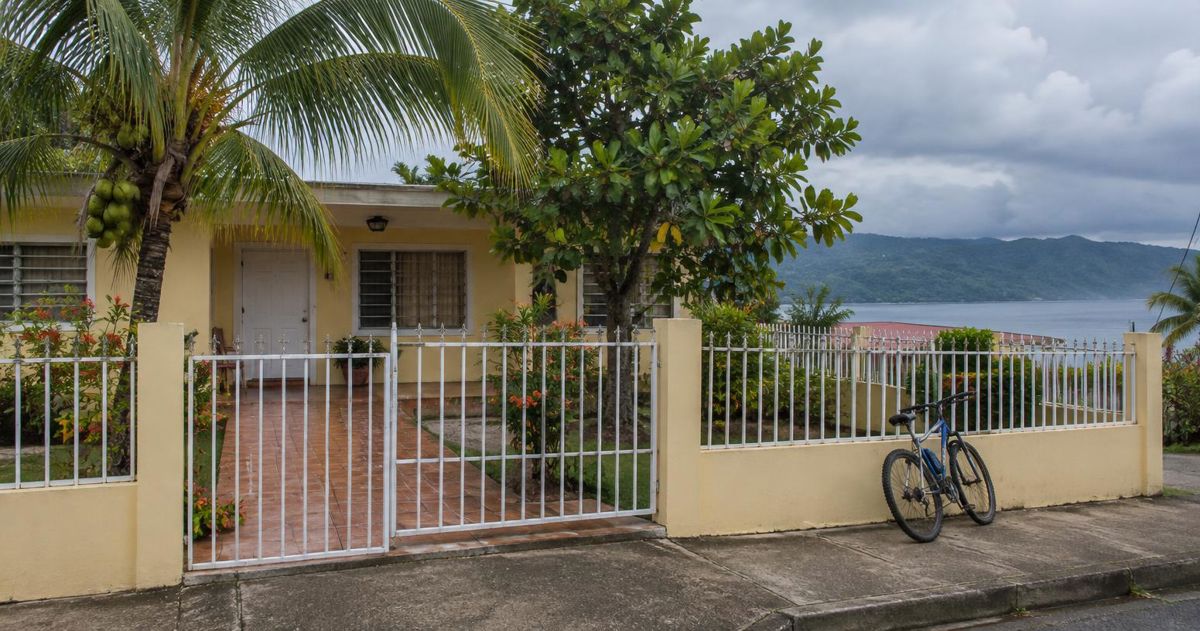
Family home protection (afectación a habitación familiar) is the legal device by which, in Costa Rica, the owner of a house dedicates it to the family home and places it beyond the reach of personal creditors. This guide explains which properties qualify, in whose favour it is made, how it is recorded and what changes for selling or mortgaging. It serves both those who want to protect their home and those about to buy one that is already protected.
What is family home protection and what is it for?
Family home protection is a legal device by which the owner of a dwelling dedicates it to the family home. Under articles 43 and 46 of the Código de Familia (Law 5476), the owner may register an urban property of up to 1,000 square metres, or a rural one of up to 10,000, as a protected family home in favour of a spouse or partner and of minor children, or adult children while they need support. It is done through a public deed recorded in the registry, takes effect from registration and pays no taxes or registry duties.
What it is for is best understood through its effects. Once recorded, the house is no longer an asset the owner can dispose of alone: selling or mortgaging it requires the consent of both spouses, if the owner is married, or court authorisation. In addition, the owner's personal creditors can no longer pursue it, with the exceptions explained further on. In practice, it is a way to help the family keep its roof even if the fortunes of the registered owner change.
In our view, it is neither a procedure for every case nor total armour. It suits someone whose house serves as the main family home and who wants to keep it apart from the risk of future personal debts. In exchange, it reduces flexibility: any later sale or mortgage becomes a family decision and not just the owner's, something worth weighing before signing the deed.
Advertisements
Which homes qualify and in whose favour?
The first filter is size. The Código de Familia allows the protection of an urban property of up to 1,000 square metres or a rural one of up to 10,000. A house in a residential development or in the centre of a canton usually falls within the urban limit, and a small farm in the countryside may fit within the rural one. If your property is close to those limits, or you are unsure whether it counts as urban or rural, the prudent step is to have a notary review the survey plan and the registry description before drafting the deed.
The second filter is in whose favour it is made. The protection is created in favour of the owner's spouse or partner and of minor children, or adult children while they need support. It can also be made in favour of other adults in the family group who live in the house and cannot meet their basic needs on their own, because of a disability requiring permanent support or because of old age. That is why the deed must clearly identify those people. If your family does not clearly fit those categories, consult a lawyer before starting the procedure: it is better to settle the doubt beforehand than to discover later that the protection does not cover the person you meant to protect.
One point worth keeping clear: as the code describes it, the decision starts with the owner. It is the person registered as owner who executes the deed before a notary, and the beneficiaries are that person's family. Before thinking about the protection, therefore, the first step is to confirm that the house is registered in your name and that its registered measurement matches reality.
How is the protection recorded and from when does it apply?
There is only one form: a public deed recorded in the registry. In Costa Rica that means going to a notary public, who drafts the deed with the details of the property and the beneficiaries, and then presenting it to the Registry for recording. Until the deed is recorded, the protection does not apply: the Código de Familia says it takes effect from registration, not from signing. The steps, in order, are usually these.
- Request a registry search of the property to confirm it is in your name and what its measurement is.
- Check that the measurement does not exceed 1,000 square metres if the property is urban, or 10,000 if it is rural.
- Gather the details of the beneficiaries: the spouse or partner, the minor children, or adult children who need support, and the other relatives the law allows, if any.
- Execute the public deed of protection before a notary you trust.
- Make sure the deed is presented and recorded in the Registry: the protection begins with registration.
- Request a new registry search to confirm the protection now appears on the property.
As for cost, the protection pays no taxes or registry duties, under the same articles 43 and 46 of that law. What you should budget for are the notary's fees, which are agreed with the notary before starting and are best put in writing. Also ask how long the notary expects the presentation to the Registry to take, because that is the moment that matters.
In our view, registration is the most neglected point. Some families sign the deed and never confirm that the Registry has recorded it. Since the protection starts with registration, a debt incurred in that gap is left outside: the code excludes debts incurred before registration from the protection.
What changes for selling or mortgaging a protected home?
The main change lies in article 42 of the same code: once the family-home protection is recorded in the Registry, the property cannot be sold or mortgaged without the consent of both spouses, if the owner is married, or without court authorisation. The rule therefore reaches both someone who wants to sell and someone seeking a loan secured by the home.
For a married owner, this means the spouse's consent must be part of the transaction; the usual practice is for both to appear before the notary. If that consent cannot be obtained, the route the code mentions is court authorisation, which goes through a judge and takes time. Anyone planning to sell or borrow in the short term should keep this in mind before committing to a buyer or a bank.
The sale itself follows the general rules. Article 450 of the Código Civil requires that, to record a sale in the Registry, the title must be in a public deed, a final judgment or another authentic document expressly authorised by law. The full path, from offer to registration, is in our guide on how to buy a house in Costa Rica, step by step.
How does it shield the home from creditors and which debts are left out?
Regarding creditors, the same article 42 provides that, once the protection is recorded in the Registry, the owner's personal creditors cannot pursue the property. Put simply: if the owner takes on a personal debt after registration and fails to pay it, that creditor cannot direct collection against the protected home.
The protection has two exceptions named by the code. The first is debts of both spouses: if the couple took on debt together, the home is not safe from that creditor. The second is debts incurred before registration: an obligation that already existed before the protection was recorded in the Registry is left outside the protection.
Our reading: the protection guards the future, not the past. It does not save a home from a debt that already exists, and it does not cover what the couple signs jointly. Anyone with an outstanding loan or personal guarantee should know that creditor is left outside the protection, and should discuss it with a lawyer before relying on it.
How can you tell whether the house you are buying is protected?
Since the protection takes effect from registration, the source for knowing whether a house is protected is the Registry itself. Before buying, the prudent step is to request the registry information for the property and review its notes, where the protection, mortgages, embargoes and other limitations usually appear. The detailed procedure is in the guide on how to check a house at the Registry before buying it.
If the house you are interested in is protected, remember that the sale requires the consent of both spouses, if the seller is married, or court authorisation. Do not sign or pay until the notary confirms that requirement is met. When browsing homes for sale in Costa Rica, ask the seller for the property registration number from the first contact: that way you can check the Registry before investing time in visits and negotiation.
Once the purchase is signed, present the deed as soon as possible. Article 455 of the Código Civil provides that an unrecorded purchase does not affect third parties until the date it is presented to the Registry, and that if the deed is presented more than 3 months after execution and an embargo or attachment is already noted, that note prevails unless the buyer proves in ordinary proceedings that his right is genuine and not simulated.
What we would do
- If your house is the family home and meets the size limit, we would consider protecting it with a notary before taking on new personal debts.
- If you are buying, review the property's registry notes before signing any commitment, and first compare home prices in Costa Rica to negotiate on solid ground.
- If you are looking for a more affordable option among cheap homes for sale in Costa Rica, apply the same review: the protection does not depend on the price of the house.
- If the house you like is protected and the sale still lacks the required consents, consider one of the homes for rent in Costa Rica while it is resolved, without committing your money.
- If your budget is tight, cheap homes for rent in Costa Rica are a temporary option while you put the purchase in order.
Frequently asked questions
Why does the protection pay no taxes or registry duties?
Because the Código de Familia provides so: the deed of family-home protection pays no taxes or registry duties. In our view, this keeps cost from becoming an obstacle to protecting the family home. What you should plan for are the fees of the notary who executes the deed, and it is wise to agree on them in writing before starting the procedure.
Can it be made in favour of a partner and not only a spouse?
Yes. The code mentions the owner's spouse or partner, together with minor children, or adult children while they need support, and other adults in the family group who live in the house and cannot meet their own needs because of a disability or old age. If the relationship is not documented or there are doubts about who should be named as beneficiary, the prudent step is for a lawyer or notary to review the case before drafting the deed, so the protection covers the person you intend to protect.
Does the protection shield the home from any debt?
No. It covers the home against the owner's personal creditors, but it leaves out debts of both spouses and debts incurred before registration. That is why it is no way out of a debt that already exists, and it does not cover what the couple signs jointly. If you have outstanding obligations, consult a lawyer before relying on this protection for your home.
Can a protected home be mortgaged to obtain a loan?
It can, but not by the owner's decision alone. With the protection recorded, the property cannot be mortgaged without the consent of both spouses, if the owner is married, or without court authorisation. Before seeking a loan secured by the home, it is wise to secure that consent and raise it with the bank and the notary from the start, so the transaction is not delayed.
This guide summarises practice in Costa Rica on family home protection, based on the Código de Familia and the Código Civil, as of November 2026. It does not replace the advice of a lawyer or notary, who should review your specific case before you execute or sign any deed.
Advertisements
More in Deeds

Legal Aspects, Deeds
Implications of the lack of signature on legal documents

Legal Aspects, Deeds
Property deed in Costa Rica: validity and transfer

Legal Aspects, Deeds
Legal consequences of lack of clarity in written language

Legal Aspects, Deeds
Inheriting a house: when probate before a notary is enough
Most viewed in Legal Aspects
Legal Aspects, Deeds
Implications of the lack of signature on legal documents

Legal Aspects, Legal Verification
Legal Aspects of Home Noise Liability

Legal Aspects, Contracts
Legal aspects that influence the validity of a contract
Legal Aspects, Legal Responsibilities
Legal aspects of home privacy you need to understand