


Purchase agreement, promise or option: what to sign first
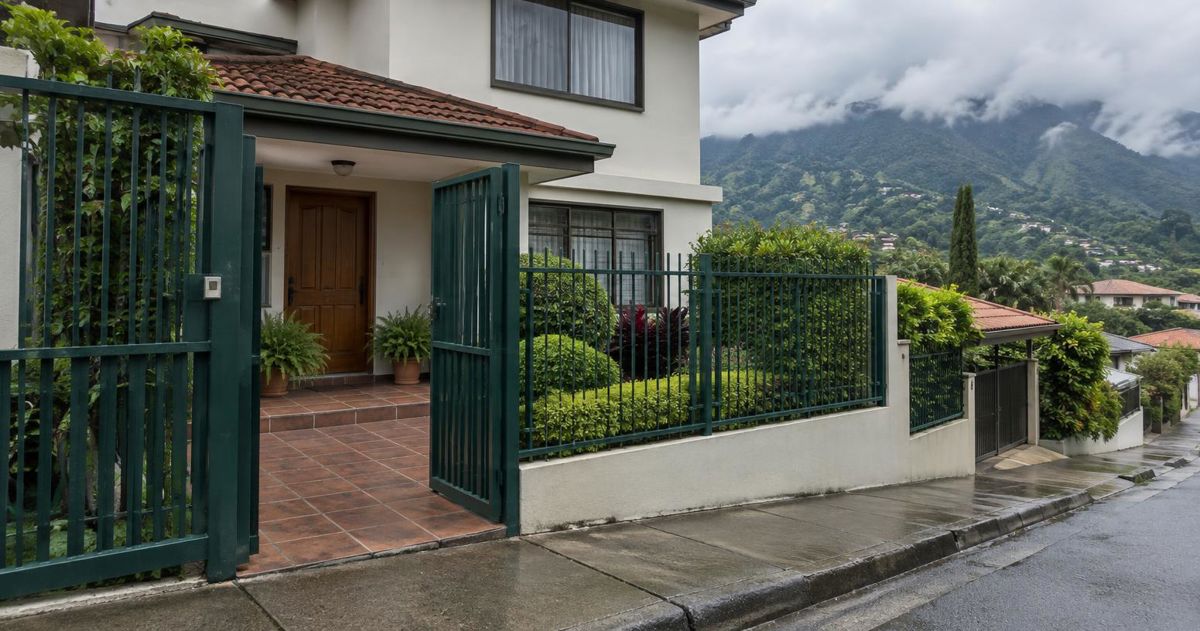
Whoever buys a house in Costa Rica almost never goes straight to the deed: first they sign a promise of sale, a purchase option or a private purchase agreement. They do not all bind the same way, and each carries its own risks. This guide explains how they differ, when the buyer becomes the owner, which clauses to check, how earnest money works and what to do if someone does not perform, so that you sign knowing what each document commits you to.
How do the purchase agreement, the promise and the option differ?
The purchase agreement is the agreement to sell and to buy. Under Articles 480 and 1049 of the Código Civil, between buyer and seller the sale is complete as soon as they agree on the thing and the price, and ownership passes between them by that agreement alone, regardless of its recording in the Registry. For a buyer, the practical consequence is clear: a private document that already identifies the house and sets the price is not a mere draft or a letter of intent. Before signing it, it is wise to have a notary read it and to have your questions about the house, the price and the payment terms resolved.
The promise of sale is a commitment to sell later on. Under Articles 1053, 1054 and 1055 of the Código Civil, an accepted promise to sell gives the right to require that the sale be carried out; ownership passes on the day of the sale and not on the day of the promise, and if performance is not sued for within one month from when it becomes due, the promise lapses. That is why the promise should set precisely the date or the condition that makes it due, and you should note that deadline: if you let the month pass without suing for performance, the promise lapses.
A purchase option is, in the language of the Código Civil, a promise to sell: the owner grants the interested party a period to decide whether to buy the house at a price already set, and the interested party often pays a sum for that period. The owner is bound, but the interested party decides whether to buy; that is why the rules in the previous paragraph apply to it, including the one-month period to sue for performance. If both sides want to be bound, they sign a reciprocal promise of sale (promesa recíproca de compraventa), which obliges both to execute the deed. What becomes of the sum paid depends on what the document says: ask for it to set out in writing the period, the price, how the option is exercised, whether that sum is credited toward the price and what happens to it if you do not buy. If in any doubt, consult a lawyer or a notary.
| Document | What it commits | What to check |
|---|---|---|
| Purchase agreement | The sale between the parties once they agree on house and price | Identification of the property, price, payment terms and deed date |
| Promise of sale | The right to require the sale; ownership passes on the day of the sale | Date or condition that makes it due and the one-month period to sue |
| Purchase option | It is a promise to sell: it binds the owner and you decide whether to buy | Period, price, how to exercise it and what happens to the money paid |
When does the buyer become the owner?
A purchase has three moments worth telling apart: the agreement, the deed and the recording. Between you and the seller, the agreement on the house and the price already transfers ownership, as the Código Civil articles cited above say. But that agreement is not enough to enter the Registry: under Article 450 of the Código Civil, to record a sale in the Registry, the title must be in a public deed, a final judgment or another authentic document expressly authorised by law. That is why, in practice, the private agreement is later completed with the deed before a notary; the consequences of the lack of formality in legal contracts explain what is at stake when the form is missing.
Recording matters with respect to everyone else. Article 455 of the Código Civil provides that an unrecorded purchase does not affect third parties until the date it is presented to the Registry, and that if the deed is presented more than 3 months after execution and an embargo or attachment is already noted, that note prevails unless the buyer proves in ordinary proceedings that his right is genuine and not simulated. The practical conclusion: ask the notary to present the deed promptly and, before signing, follow the steps in how to check a house at the Registry before buying it.
If the house is rented, the purchase does not end the lease. Under Article 75 of the Ley General de Arrendamientos Urbanos y Suburbanos (Law 7527), if you buy a rented property, the lease stays in force, and the tenant must pay the rent to you once you notify him of the transfer by handing over the certificate that proves it. If you plan to live in the house, ask beforehand whether there is a tenant and request a copy of the lease.
Which clauses should a house purchase agreement include?
A good agreement leaves nothing important to the parties' memory. The table in this section sums up the clauses worth checking in any house purchase in Costa Rica, and the notary can tell you which ones are missing in your case. Several depend on papers best gathered in advance; the list of what documents buying a house in Costa Rica requires helps you have them at hand.
| Clause | What it should make clear |
|---|---|
| Parties | Name and ID of the seller and the buyer, and who signs for each |
| Property | Property number, survey plan and address of the house |
| Price | Amount, currency and payment terms |
| Earnest money | Amount handed over and whether it allows backing out by forfeiting it |
| Deed | Date, notary and conditions for signing it |
| Handover | Date, condition of the house and delivery of keys |
| What is included | Furniture, appliances, lamps and other items that stay |
| Encumbrances | Mortgages, embargoes or notes and who cancels them |
| Costs | Who pays the notary, stamps and taxes |
| Non-performance | What happens if a party does not perform on time |
| Lease | Whether there is a tenant and on what terms the lease continues |
The handover of the house deserves its own clause and, at the end, a record signed by both parties. The agreement should state the date, the condition in which the house is delivered and what the sale includes: the lamps, the water heater, the kitchen cabinets or the appliances that stay. Whatever is not in writing will be a point of dispute on handover day. In the record, note the meter readings, the keys you receive and any damage you find. A home inspection before buying gives you the list of defects worth mentioning in the agreement.
The costs clause answers who pays the notary, the stamps and the taxes. Under Article 68 of the fee schedule for legal and notarial services (Decreto Ejecutivo 41457-JP), unless the parties agree otherwise or a legal provision says otherwise, the notary's fees, duties, stamps and taxes on an act or contract are paid in equal parts, except the creation and cancellation of mortgages and pledges, which the debtor pays. Since the parties may agree on a different split, the prudent course is to write it down. Those items are detailed in what buying a house costs on top of the price.
What is earnest money for, and what if someone does not perform?
Earnest money is the money the buyer hands over to seal the deal. Article 1058 of the Código Civil says that money handed over as earnest money (señal or arras) in a sale is always deemed paid on account of the price and as ratification of the contract, and that neither party may back out by forfeiting it unless that was expressly agreed. That is why it is credited toward the price, and why it is not, on its own, a way out. If the parties want to be able to withdraw in exchange for the earnest money, the agreement must say so expressly, with the amount and the conditions.
What happens if the buyer or the seller does not perform depends, above all, on what the agreement provided and on what a lawyer advises in your case. That is why the document should answer three questions in writing: what happens if the deed is not signed on the agreed date, what happens if the bank does not approve the buyer's loan, and who returns which money in each case. If what you signed is a promise, remember the one-month period from when it becomes due to sue for performance: after that month, the promise lapses. In the face of non-performance, seek legal advice promptly.
There is a risk that comes before non-performance: handing money to someone who cannot sell. Before paying earnest money, confirm at the Registry who the owner is, pay by a traceable method and ask for a receipt that refers to the agreement. The most common warning signs are in how to spot a scam when buying a house in Costa Rica.
What to check before signing, and how to change what was agreed?
Ambiguous clauses and omissions cause more trouble than bad clauses. Be wary of phrases such as «date to be defined», «as is», «costs as customary» or «price to be agreed»: they leave open precisely the decision the agreement was meant to settle. Also check that everyone listed as an owner in the Registry signs, and that each of them understands what they are signing. An agreement to which a party did not truly consent is exposed to problems; the implications of the lack of consent in contracts explain why.
- Read the whole document, including the annexes, without hurrying.
- Compare the property, the survey plan and the seller's name with what the Registry shows.
- Mark every ambiguous phrase and ask for it to be replaced by a date, an amount or a responsible party.
- Check that the agreement says who pays the costs and what the sale includes.
- Ask a notary or a lawyer to review the draft before handing over any money.
- Sign only when every party has an identical copy.
If, after signing, the parties want to change a condition, for example the deed date or the payment terms, the prudent course is to do it with an addendum: a written document, dated and signed by the same parties, that identifies the original agreement, states which clause changes and makes clear that everything else stays the same. A change agreed only verbally or by message leaves doubts about what remains in force. If the original agreement was executed as a public deed, ask the notary how the change should be formalised.
What we would do before signing
- Have a notary review the draft before handing over any money, and follow the order in how to buy a house in Costa Rica, step by step.
- Write down the amount of the earnest money and, if a way out is wanted, agree on it expressly in the contract.
- Set the deed date and, in a promise, note the one-month period to require performance.
- Settle the costs clause and the list of what the sale includes, and sign a record on handover day.
- Go over how to choose a house in Costa Rica and compare several homes for sale in Costa Rica before committing to one.
Frequently asked questions
Does the promise of sale already make you the owner?
No. Under the Código Civil articles on the promise, ownership passes on the day of the sale and not on the day of the promise. The accepted promise gives you the right to require that the sale be carried out, but that right has a limit: if you do not sue for performance within one month from when it becomes due, the promise lapses. That is why it is wise to note the date on which it becomes due.
Can you back out of the purchase if you paid earnest money?
Forfeiting the earnest money, only if the agreement expressly provides for it; for other cases of withdrawal, consult a lawyer or a notary. Without that clause, money handed over as earnest money is deemed paid on account of the price and as ratification of the contract, and neither party may back out by forfeiting it. If you want to keep a way out, for example in case the bank does not approve your loan, ask for the agreement to describe it clearly before signing.
What happens when a purchase option expires?
An option is a promise to sell, so what applies to the promise applies to it: it gives you the right to require the sale on the terms and within the period it sets, and if you do not sue for performance within one month from when it becomes due, it lapses. What becomes of the sum paid if you buy or let the period expire depends on what the document says, so it is worth setting it out in writing. If the document does not make this clear or you have doubts about its effects, consult a lawyer or a notary before it expires.
Does the purchase need to be recorded in the Registry?
Between you and the seller, the agreement on the house and the price already transfers ownership. With respect to third parties it is different: an unrecorded purchase does not affect them until it is presented to the Registry, and to record it the title must be in a public deed, a final judgment or another authentic document expressly authorised by law. That is why the prudent course is for the notary to present the deed as soon as possible.
This guide sums up the practice of buying a house in Costa Rica and the rules it cites. It does not replace the advice of a lawyer or a notary, who can review your agreement, your promise or your option according to your specific case.
More in Contracts

Legal Aspects, Contracts
Legal aspects that influence the validity of a contract

Legal Aspects, Contracts
Consequences of the lack of formality in legal contracts

Legal Aspects, Contracts
Legal consequences of the lack of witnesses in contracts

Legal Aspects, Contracts
Implications of the lack of consent in contracts
Most viewed in Legal Aspects

Legal Aspects, Deeds
Property deed in Costa Rica: validity and transfer

Legal Aspects, Deeds
How a house is inherited in Costa Rica and how to protect it
Legal Aspects, Deeds
Implications of the lack of signature on legal documents

Legal Aspects, Legal Responsibilities
Legal aspects of shared ownership that you must not forget