Discover how to choose the ideal home for you and your pet.

Discover how to choose the ideal home for you and your pet, a process that can be exciting but also challenging. In this article, I will guide you through the essential aspects of selecting a pet-friendly home that meets your needs and those of your furry companion. From location to specific amenities, you will learn to make informed decisions that ensure a happy and harmonious life with your pet. Get ready to find the perfect place where both of you can enjoy to the fullest!
1. What does "pet-friendly" mean in a housing context?
The term "pet-friendly" refers to spaces designed or adapted to accommodate pets, ensuring that both animals and their owners feel comfortable and happy. In a pet-friendly home, you will find features that facilitate life with your pet, such as stain and scratch-resistant floors, safe outdoor areas where they can play and explore, as well as an overall environment that promotes their well-being. Furthermore, these types of homes are often located in communities that allow for cohabitation with animals, which is essential for those seeking a pet-friendly environment. Choosing a pet-friendly home not only involves considering physical amenities; it is also vital to evaluate the neighborhood and the policies of the place. Some apartment complexes or residences have restrictions on pet breeds or sizes, so it is important to be well-informed before making a decision. An ideal home should offer access to nearby parks, veterinary services, and specialty stores for pet products. At the end of the day, finding a place that you not only like but that is also welcoming to your furry companion is essential for creating a harmonious environment where both of you can fully enjoy each day together.
2. Location: Where is the best place to live with your pet?
When it comes to choosing the ideal location to live with your pet, it is essential to consider several factors that directly impact their quality of life. First, evaluate access to green spaces such as parks and recreational areas where your furry friend can socialize and exercise. Proximity to these spaces is not only convenient for daily walks but also promotes an active and healthy lifestyle for both you and your pet. Additionally, make sure the area has nearby veterinary services and specialized pet product stores, which will facilitate any needs that arise during your time together. It is also important to research the local community and policies regarding pets. Some areas are more pet-friendly than others; check if there are restrictions on types or sizes of pets and if there are community groups focused on pet-friendly activities. Consider the overall environment as well: a quiet neighborhood can provide a relaxing atmosphere, while noisier areas may be stressful for certain animals. By finding a place that balances home comfort with opportunities to enjoy the outdoors, you will ensure a rewarding experience for both you and your loyal companion.
3. Outdoor spaces: Importance of a garden or green areas.
Outdoor spaces, such as a garden or green areas, are essential not only for the well-being of humans but also for the health and happiness of our pets. Having an outdoor environment where your furry companion can play, explore, and relax is crucial for their physical and mental development. A well-designed garden can become a place of entertainment where your pet can exercise, socialize with other animals, and enjoy the sun. Additionally, these spaces promote a closer connection between you and your pet, providing moments of play and tranquility that strengthen your bond.
When choosing an ideal home, consider the safety and accessibility of these green areas. It is important that they are properly fenced to prevent unexpected escapes and ensure the protection of your pet. Additionally, opting for an outdoor space that allows for the incorporation of elements such as trees, shrubs, and pathways can enrich your animal's experience. Safe plants and shaded areas are ideal for creating a welcoming environment where both you and your pet can enjoy the outdoors. Ultimately, a well-kept garden not only enhances the aesthetics of your home but also significantly contributes to the quality of life you seek to provide for your loyal companion.
4. Home size: How much space do you really need?
When considering the size of your home, it is essential to reflect on your pet's needs and your own preferences. A larger space can provide your furry companion the freedom to move and explore, as well as allow you to create specific areas for their rest and play. However, a small apartment can also be sufficient if you have an active lifestyle that includes frequent walks and visits to nearby parks. Evaluate how much time you spend at home and how you interact with your pet; this will help you determine the appropriate size that ensures their well-being without sacrificing comfort.
In addition to the overall size, consider the layout of the space. Homes with an open design can make it easier to supervise your pet while you engage in other activities. They also feature versatile areas where you can set up a corner for play or rest. On the other hand, if you choose a smaller home, ensure it has easy access to the outdoors, as this will be crucial for the daily outings needed for your furry friend. Ultimately, the important thing is to find a balance between the available space and the opportunities to enjoy quality time together both inside and outside the home.
5. Amenities that make life easier with pets.
When searching for the ideal home for you and your pet, it is essential to consider the amenities that can facilitate daily life. Spaces like a fenced garden or a secure balcony are crucial, as they allow your pet to enjoy the outdoors without the risk of escaping. Additionally, the presence of playgrounds or nearby parks can be a great attraction; these spaces not only provide opportunities for your furry companion to socialize with other animals but also offer a perfect place for exercise and energy release. A pet-friendly home should incorporate these features to ensure the well-being of both humans and their pets. Another important amenity to consider is the ease of cleaning and maintenance of the home. Easily accessible floors and stain-resistant surfaces are ideal, especially if you have an active pet or a breed prone to shedding. Furthermore, having adequate storage for accessories such as toys, leashes, and hygiene products can help keep the home organized and clutter-free. By choosing a home that prioritizes these amenities, you will be creating a cozy and functional environment where you and your pet can fully enjoy each day together.
Finally, do not forget the importance of having nearby services that meet the specific needs of your pet. Accessible veterinary clinics, specialty stores for pet food and products, or even dog grooming services can make a big difference in the quality of life for both you and your furry friend. By considering all these elements when choosing your home, you can ensure not only that your own housing needs are met, but also that your pet has a comfortable and happy space to grow together.
6. Regulations and restrictions in condominiums and apartments.
When considering the purchase or rental of a condominium or apartment, it is crucial to familiarize yourself with the specific regulations and restrictions that may affect residents and their pets. Many buildings have rules regarding the size, breed, and number of animals allowed, as well as guidelines on how they should be maintained in common areas. For example, some places may require pets to be leashed at all times in hallways or shared areas, while others may completely prohibit certain types of animals. Knowing these regulations in advance will help you avoid unpleasant surprises and ensure that your environment is suitable for your furry companion. Additionally, it is important to check for any additional fees associated with having a pet in the chosen condominium or apartment. Some landlords impose refundable damage deposits or additional monthly fees to cover the cost of maintenance related to the presence of animals. By evaluating these financial factors along with the physical restrictions, you will be able to make a more informed decision about what the ideal home is for you and your pet. Remember that a place that respects your needs and those of your animal is essential to ensure a harmonious and happy coexistence.
7. Accessibility to veterinarians and pet services.
When you are searching for an ideal home for you and your pet, it is crucial to consider the accessibility to veterinarians and other essential services for animal care. The health and well-being of your furry companion largely depend on having easy access to professional medical care. Look for areas that have nearby veterinary clinics, as well as services like grooming, daycare, and specialized pet product stores. Having these options within reach will not only provide you with peace of mind but will also make it easier to handle emergencies or any unexpected needs that may arise. Additionally, it is important to research the quality of the services available in the chosen area. Not all veterinarians offer the same level of care or specialties, so it may be helpful to read reviews and ask for recommendations from other local pet owners. Consider whether you prefer a veterinarian that offers comprehensive services, such as preventive medicine, surgery, and specialized treatments. By choosing a neighborhood that prioritizes proper care for pets, you will be ensuring a healthier and happier life for both you and your beloved furry friend.
8. The importance of animal-friendly neighbors.
When it comes to choosing a home that is ideal for you and your pet, the tolerance and understanding of your neighbors towards animals are crucial aspects to consider. Living in an environment where people value and respect animals can make a significant difference in the quality of life for both you and your furry companion. Neighbors who are pet-friendly tend to be more understanding of occasional noises, such as barking or meowing, which can alleviate the stress associated with moving and adjustments.
Having a pet-friendly neighborhood not only facilitates harmonious living but also opens the door to social opportunities. Having tolerant neighbors means you can enjoy group walks, share care tips, and even organize pet meetups. A community that values the rights and needs of animals can significantly contribute to your pet's emotional well-being and foster a more cohesive and friendly environment among all residents.
9. Tips for adapting any home to your needs and those of your pet.
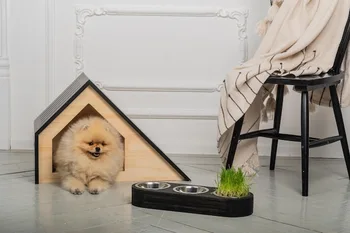
Adapting your home to your pet's needs not only improves their quality of life but also creates a more harmonious environment for both of you. Start by identifying the areas most used by your furry companion; if you have a dog, for example, make sure there is enough space to play and move freely. Consider installing barriers or safety gates on stairs and in rooms where animals should not have access. Additionally, provide comfortable areas for them to rest, such as beds or cushions in quiet but accessible places.
The choice of furniture and decoration also plays a crucial role in adapting the home. Opt for materials that are scratch and stain resistant, such as synthetic fabrics or leather, which facilitate cleaning and are more durable against the curiosity of your pets. Additionally, keep fragile items out of reach and consider using high shelves to avoid accidents. Lastly, don't forget to create a safe outdoor space if possible; whether with a closed garden or a sheltered balcony, this will allow your pet to enjoy fresh air without taking risks. With these practical tips, you can transform your home into an ideal refuge for both you and your loyal friend.
Most viewed articles in the category Lifestyle

Become the ideal neighbor: Keys to harmonious living
Discover the keys to harmonious coexistence and become the ideal neighbor. Improve your relationships and create a positive environment in your community..
Creative spaces that adapt your home to your pets
Discover how to transform your home into a creative and functional space for you and your pets, with ideas that blend style and comfort..

Create a harmonious home with spaces that inspire family togetherness.
Discover how to design a harmonious home that fosters family togetherness, creating inspiring and welcoming spaces to share unforgettable moments..

Promote sustainability in your home for a united family.
Discover how to promote sustainability in your home and strengthen family bonds with eco-friendly practices that benefit everyone..