
Unique aspects that enhance the value of your home in the community
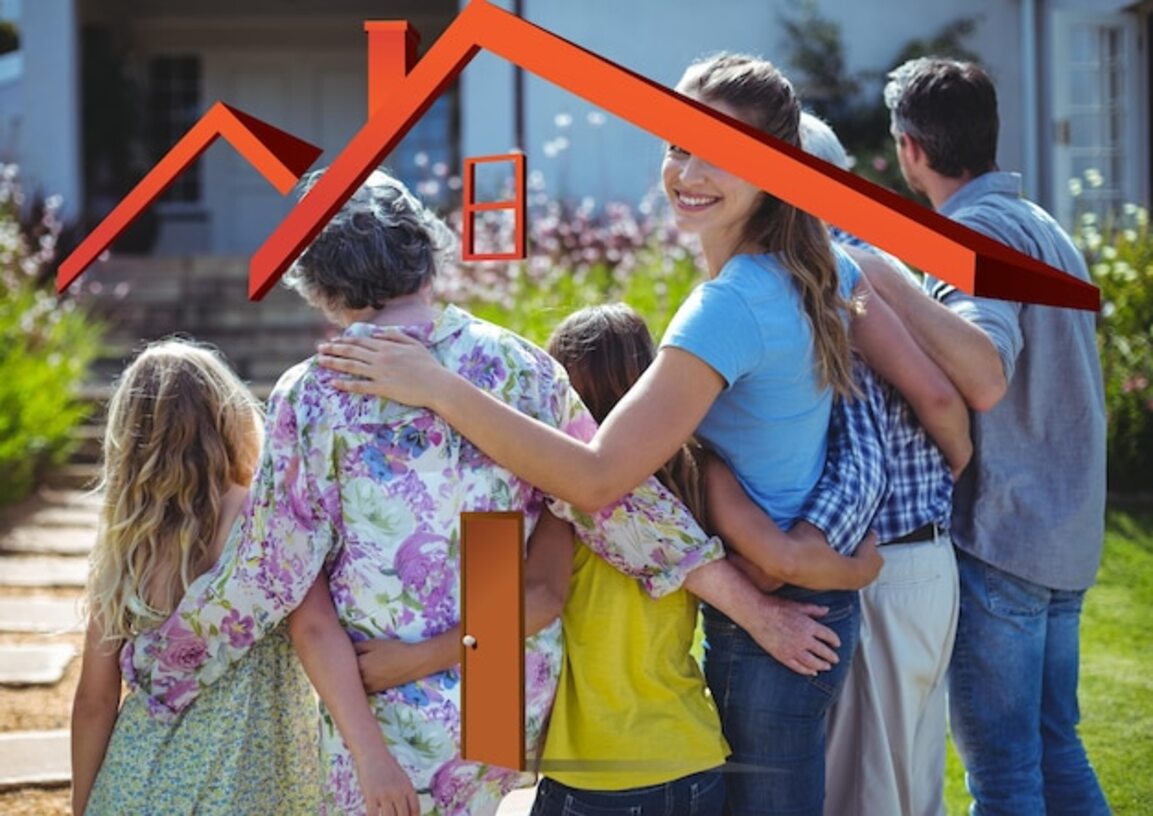
Discovering the unique aspects that elevate the value of your home in the community is essential for those looking to maximize their investment and well-being. In an environment where location and appreciation are crucial, understanding what factors influence the appeal of your property can make a significant difference. From quality of life to interpersonal connections, every detail matters. Join us to explore how these elements can not only enhance your home but also strengthen the social fabric that surrounds you.
The importance of accessibility and public transportation
Accessibility and public transportation are key factors that not only facilitate the mobility of residents but also significantly increase the value of a property. Living in a well-connected area with transportation options, such as buses, trains, or trams, allows residents to commute efficiently to their workplaces, schools, and shopping centers. This convenience translates into higher demand from potential buyers, who value the ability to reduce the time and costs associated with daily commuting. In this sense, properties near public transportation stations tend to experience an increase in their value.
Moreover, proper accessibility promotes a healthier and more sustainable lifestyle. When people have easy access to public transportation, they are more likely to choose to leave their vehicles at home and use alternative means of getting around, such as walking or biking. This not only promotes more eco-friendly habits but also creates tighter communities by encouraging social interactions among neighbors. Therefore, investing in a property located near good transportation connections not only enhances individual quality of life but also contributes to the overall well-being of the neighborhood and increases the home’s appeal within the real estate market.
Advertisements
Green spaces: nearby parks and recreational areas
Green spaces, such as parks and nearby recreational areas, are an invaluable asset to any community. They not only provide a place for residents to enjoy outdoor activities and connect with nature, but they also foster a sense of belonging and social cohesion. Access to these spaces can significantly increase the value of your home; families seek communities where they can enjoy biking, picnics, or simply relax in a natural setting. Proximity to green areas creates a friendly and healthy atmosphere, which is especially appealing to those who value physical and mental well-being.
Additionally, parks and recreational areas often serve as meeting points where community events, fairs, and sports activities take place. These events not only enrich the social life of the residents but also promote stronger interpersonal relationships among neighbors. This type of interaction can translate into a better urban environment and greater safety in the area, which in turn further enhances the value of the home. In summary, living near green spaces not only improves daily quality of life but also helps create a vibrant and welcoming community that benefits all its members.
The influence of schools and educational centers on added value
The presence of quality schools and educational centers in a community is one of the most determining factors in the appreciation of a property. Families often prioritize access to well-rated educational institutions when choosing a place to live, which creates a higher demand for homes near these. This not only elevates the value of the property but also contributes to the stability and social cohesion of the neighborhood. Thus, properties located in areas where outstanding schools are found tend to maintain their value or even increase it over time. Moreover, the positive influence of schools goes beyond the economic aspect; these institutions act as catalysts for community interaction. School events, fairs, and extracurricular activities provide opportunities for neighbors to get to know each other and strengthen their ties. This closeness fosters a sense of belonging and security within the community, which is highly attractive to potential buyers and tenants. Consequently, having good schools not only improves the educational quality of younger residents but also transforms the environment into a desirable place to live, thereby increasing the appreciation of the home.
Community connections: active local associations and groups
Community connections are a fundamental pillar that can significantly elevate the value of your home. Active local associations and groups not only promote social cohesion but also create a more attractive environment for current and future residents. Participating in activities organized by these groups, such as neighborhood fairs, beautification projects, or cultural events, allows neighbors to establish meaningful ties with one another. These bonds strengthen the perception of safety and well-being in the community, which can result in increased interest in nearby properties.
Additionally, an active community is often synonymous with a dynamic and vibrant environment, where values such as collaboration and mutual support are promoted. Initiatives driven by local associations can include everything from environmental education programs to recreational activities for all family members. This type of civic engagement not only improves quality of life but also attracts potential buyers interested in settling in a place where the sense of belonging is palpable. Thus, by getting involved with these organizations, you not only contribute to collective well-being but also increase the perceived value of your property within the local real estate market.
Neighborhood security: how it impacts your home's value
Neighborhood security is a fundamental aspect that influences the perception and value of a property. When a community is perceived as safe, it not only attracts potential buyers but can also increase the demand for rentals. Families often prioritize safety when choosing a place to live, which means that a low crime rate can result in a significant increase in the value of your home. Additionally, community initiatives focused on improving safety—such as watch groups or public lighting programs—not only create a safer environment but also foster a sense of belonging and collaboration among neighbors.
Additionally, the perception of safety has a domino effect on other factors that influence property value. A safe environment promotes outdoor activities and public spaces used by residents, which strengthens social connection among them. This can translate into aesthetic improvements within the neighborhood, such as community gardens or artistic murals, thereby elevating the overall appeal of the area. In summary, investing time and resources in strengthening neighborhood safety not only protects your well-being and that of your loved ones, but also directly reflects in the tangible and intangible value of your home within the real estate market.
Essential services: hospitals, supermarkets, and nearby stores
Proximity to essential services such as hospitals, supermarkets, and nearby shops is a determining factor in the value of a property. Living in an area where these resources are within reach not only provides convenience but also enhances the quality of life for residents. Having a nearby supermarket facilitates daily shopping, while accessible hospitals offer peace of mind in medical emergencies. These elements contribute to creating a more attractive environment for families and professionals, which can lead to increased demand for properties in the area and, consequently, a rise in their value. Furthermore, the availability of local shops fosters a vibrant and connected community. Specialty stores and markets offer not only fresh and unique products but also opportunities to interact with neighbors and strengthen interpersonal relationships. This social fabric becomes an additional attraction for those looking to settle in a place where they can not only live comfortably but also enjoy an active community life. In this sense, proximity to these essential services not only elevates the monetary value of your home but also nurtures the emotional well-being of its inhabitants.
Community events and their role in neighborhood development
Community events play a fundamental role in neighborhood development, as they not only foster interaction among residents but also create a sense of belonging and cohesion. By organizing activities such as fairs, festivals, or local markets, neighbors are given the opportunity to get to know each other better and establish lasting bonds. These gatherings help forge a collective identity that can be very appealing to future buyers, thereby increasing property values in the area. Active participation in these initiatives not only reflects a commitment to the well-being of the neighborhood but can also be a decisive factor for those seeking a home where interpersonal relationships are prioritized.
Additionally, community events can enhance the overall perception of the area and attract further investments. When outdoor activities are organized, such as concerts or movie screenings under the stars, public space is transformed into a vibrant and welcoming place. This can incentivize new businesses to establish themselves in the community, which not only diversifies local commerce but also increases the value of surrounding homes. Thus, actively participating in these events becomes a valuable strategy for those who wish not only to enjoy their immediate surroundings but also to contribute to the sustainable growth and development of their community.
The aesthetics of the neighborhood: architecture, cleanliness, and urban maintenance
The aesthetics of the neighborhood play a fundamental role in the perceived value of a property. The architecture of the homes, public spaces, and uniformity in design can attract both buyers and renters. A neighborhood with well-maintained buildings and a harmonious architectural style not only provides a positive impression but can also enhance the prestige of the area. This type of visual appeal translates into greater interest from those looking to settle in the community, which potentially raises property prices.
In addition to architecture, urban maintenance and cleanliness are key factors that contribute to the overall well-being of the neighborhood. Clean streets, well-maintained green spaces, and pleasant public areas foster a welcoming and healthy environment. When residents see that their surroundings are cared for and valued, they are more inclined to keep their own properties in optimal condition. This creates a positive cycle where collective investment in the neighborhood not only improves the quality of life but also enhances long-term property values. In summary, maintaining the aesthetics and upkeep of the neighborhood is essential for cultivating an attractive environment that benefits all its inhabitants.
Advertisements
More in Community Living
Location and Value, Community Living
The impact of accessibility on the value of your property

Location and Value, Community Living
Where to invest in properties: keys for a successful location
Location and Value, Community Living
Real estate opportunities: the hidden potential of your neighborhood

Location and Value, Community Living
The historical legacy and its impact on the appreciation of your home.
Most viewed in Location and Value
Location and Value, Best Areas
House rents in October: what rose and what fell

Location and Value, Best Areas
The housing market in October: what rose and what fell

Location and Value, Best Areas
The lot market in October: what rose and what fell
Location and Value, Community Living
The impact of accessibility on the value of your property