


Which improvements raise a home's value in Costa Rica
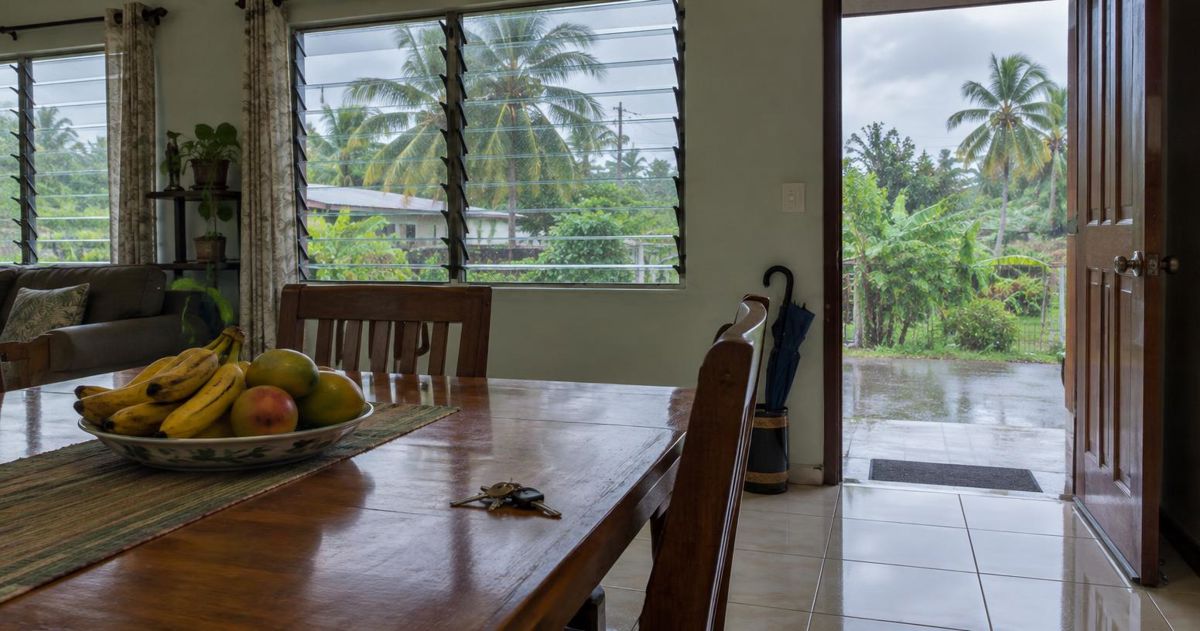
Before renovating to sell, it pays to know which works a buyer pays back and which stay as the owner's personal taste. This guide sums up, for anyone who owns a house in Costa Rica and plans to sell or rent it, which improvements tend to raise its value, how to build the budget, which works need a municipal permit and what to put in writing with whoever does the job.
Which improvements really raise a home's value?
In the end, a home's value is set by what a buyer is willing to pay compared with other similar houses in the same area. An improvement raises that value when it fixes something the buyer would have deducted from the price, or when it saves them an expense they would face right after moving in. In Costa Rica that usually means a leak-free roof, gutters and downspouts that work, up-to-date wiring, good water pressure, walls without damp and a kitchen and bathrooms in good condition. These are not eye-catching works, but they are the first things a bank appraiser or an attentive buyer checks.
Second comes the first impression: façade, entrance, paint and light. Then come improvements that add usable space, such as a covered patio or a terrace. The order matters, because a new finish on a damp wall is lost within a few months and sends a bad signal during a viewing. Before deciding, compare with what is listed: browsing homes for sale in Costa Rica similar to yours shows you which finishes the competition offers and what a buyer in your range expects to find. That comparison keeps you from spending on what nobody asks for and forgetting what everyone checks.
| Improvement | What it usually adds | When it makes sense |
|---|---|---|
| Fix roof, gutters and damp | Keeps the buyer from deducting the repair | Always, before any finish |
| Check wiring and plumbing | Builds confidence at inspection | If the house is old or has DIY fixes |
| Interior and exterior paint | Improves first impression at low cost | Before taking the listing photos |
| Update kitchen and bathrooms | It is what buyers compare most | If they are worn or badly outdated |
| Terrace or covered patio | Adds usable space | If climate and lot allow year-round use |
Advertisements
Which small fixes make a house look better?
Paint is the improvement with the best ratio of cost to effect. Light, neutral colors inside make rooms look larger and let the buyer picture their own furniture. Outside, a freshly painted façade, a rust-free gate and window frames in good shape change the impression from the street. In humid areas, such as much of the Caribbean and the southern Pacific, it is wise to use mold-resistant exterior paint and to treat damp stains first, because they come back if they are only covered.
Light matters almost as much as paint. Replacing burnt-out or mismatched bulbs, adding simple fixtures in hallways and the kitchen, cleaning windows and opening curtains for viewings makes the house look well kept. Where rooms are dark, a larger window or a translucent roof panel in a hallway can help, although that already touches the roof or a wall and enters the permit territory explained below. The details a buyer touches also count: locks, hinges, outlets, switches and faucets that work without sticking.
The garden is the first photo in the listing. No landscaping is needed: mowed grass, trees trimmed away from the roof and gutters, pots with healthy plants and an entrance clear of debris are enough to show a well-maintained house. A low-maintenance garden, with plants suited to the local climate, is usually more appealing than one that demands constant watering and pruning. If the house has a carport, it is worth cleaning the floor and repairing visible cracks: it is the first thing a visitor steps on.
Why do the kitchen, bathrooms and outdoor spaces weigh so much?
The kitchen and bathrooms are the most expensive parts to redo and the ones a buyer uses every day, which is why they are what buyers compare most from one viewing to the next. A kitchen with cabinets swollen by damp, a dripping sink or a bathroom with cracked tiles tells the buyer they will have to spend soon, and they deduct it from the price. A full renovation is not always needed: replacing the faucets, the countertop, the cabinet doors, the toilet or the shower tiles can be enough for those spaces to look in good condition.
When you do renovate, the prudent choice is durable materials in a simple style: easy-to-clean surfaces, good ventilation to prevent mold and extractor fans that work. An extra bathroom in a house that has only one is usually among the additions families appreciate most, but it involves piping, drainage and, almost always, a municipal permit. In the kitchen, more work and storage space counts for more than a luxury finish that few buyers in the area expect.
A balcony, terrace or patio adds value when it expands the space that is really used. In the Central Valley, where it rains most afternoons for much of the year, a covered porch or patio gets far more use than an open terrace. In Guanacaste and on the coasts, shade and ventilation matter more than size. A poorly waterproofed terrace or a roof that drains onto the wall subtracts value instead of adding it. If the outdoor space takes yard away from a small house or blocks light from the rooms, it deserves a second thought.
Which renovations rarely pay back at sale?
Works that reflect the owner's very personal taste are the ones that pay back least: bold colors, designer finishes, a pool in an area where nobody asks for one, a bedroom turned into a gym or a bar, or two bedrooms merged into one large room, which cuts the number of bedrooms a family looks for. Taking the house far above what is asked for similar houses in its neighborhood does not pay back either: the buyer compares with the neighborhood, not with what you invested. Before spending, check home prices in Costa Rica in your canton and district to know where your area's ceiling is.
You also need to think about who buys. People looking for cheap homes for sale in Costa Rica usually plan to make their own improvements and value a sound structure and clean paperwork more than a recent finish. In that segment, spending on luxuries rarely changes the price; fixing defects does. These are the works worth weighing most carefully before doing them to sell:
- Pools and hot tubs in areas where they are uncommon
- Luxury finishes far above the neighborhood
- Layout changes that reduce the number of bedrooms
- Decoration and colors of very personal taste
- Additions without a permit that later complicate the sale
How do you build a renovation budget?
The budget starts with the goal. Renovating to sell soon, to rent or to stay for many years are not the same: to sell, it makes sense to fix defects and improve the first impression; to stay, a larger project you will enjoy may be worthwhile. With the goal clear, rank the works by priority and ask for detailed quotes, item by item, so you can compare them. A quote that only gives a total amount without a breakdown does not let you know what you are paying for.
- Define the goal: sell, rent or stay in the house.
- List the works by priority: first what fixes defects, then the finishes.
- Ask for at least three quotes with a breakdown of materials and labor.
- Add what is usually left out: plans, permits, debris removal, cleaning and, if needed, temporary rent.
- Keep a margin for surprises and do not commit all the money available.
- Compare the total with what is asked for similar houses in your area before signing.
If the works force you to leave the house for a few weeks, that cost goes into the budget too. Looking at cheap homes for rent in Costa Rica near the site gives you an idea of how much to add for it and lets you oversee the job without long commutes. In older houses, leave a larger margin: opening walls or roofs often reveals pipes, wiring or timber in worse condition than expected.
Which works need a municipal permit and what goes in writing?
In Costa Rica, the building permit is issued by the municipality of the canton where the house is located. In practice, works that alter the structure, enlarge the built area, change the façade, touch the roof or redo the electrical or plumbing systems usually require one, and for those, plans signed by an engineer or an architect are requested. Maintenance work, such as painting or replacing a floor without touching the structure, is usually handled more simply or may not require a permit, but the criteria vary by municipality: check with yours before buying materials.
Unpermitted work can be costly at sale: the buyer, the bank financing the purchase or the appraiser may notice that what was built does not match the plans on file, and that stalls the loan or opens a negotiation downward. So before an addition, the prudent step is for the professional in charge to check what your municipality requires and who will handle the paperwork. With the permit in order, the next step is to hire well. These are the points worth putting in writing with the contractor:
- The detailed scope of the work, with plans or drawings if available
- The materials, with their grades or brands, and who buys them
- The total price and payments tied to progress, not paid upfront
- The start and completion dates, and what happens if it runs late
- Who handles the permits and who is responsible for them
- The warranty on the work, the final cleanup and debris removal
To choose who will do the job, ask for references from previous work and, if you can, visit them. Ask whether the contractor has a current workers' compensation policy for their crew, and be wary of anyone who asks for most of the money before starting. Keep the invoices and the before-and-after photos: they help you show the buyer what was done and when.
What we would do before renovating to sell
- Fix the roof, damp and systems first, and leave finishes for later.
- Invest in paint, light and garden before taking the listing photos.
- Update the kitchen and bathrooms with targeted changes before considering a full renovation.
- Check with the municipality whether the work needs a permit before hiring.
- If the goal is to rent, compare with homes for rent in Costa Rica in your area to see which finishes tenants look for.
Frequently asked questions
Which efficiency and technology upgrades do buyers value?
The ones that cut everyday costs: low-energy bulbs, good natural ventilation that reduces the use of fans or air conditioning, water-saving faucets and a water tank in areas where service is interrupted. Solar panels and smart-home systems can add value, but their weight depends on the area and the buyer; before installing them, check whether similar houses in your neighborhood offer them.
Do built-in furniture and appliances count toward value?
Built-in furniture in good condition, such as kitchen cabinets and closets, is usually seen as part of the house and helps it look finished. Freestanding appliances matter less: many buyers bring their own. If you leave them, they should be clean and working, and the sale agreement should state which ones stay, to avoid misunderstandings at handover.
Do you need a permit to paint or replace a floor?
As explained above, maintenance work that does not touch the structure is usually handled more simply or may not require a permit, but the criteria vary by municipality. The prudent step is to check with your canton's municipality before starting; if the work also touches the roof, walls or systems, ask an engineer or architect for guidance.
Is it better to renovate before selling or to sell as is?
It depends on the condition of the house and the buyer you are targeting. Fixing defects and improving the first impression is almost always worthwhile. A major renovation only makes sense if the result stays within what is asked for similar houses in the area; otherwise, selling as is and letting the buyer make their own improvements may be the more sensible decision.
This guide sums up common practice in Costa Rica for improving a house before selling or renting it. It does not replace the advice of a lawyer, a notary, an engineer or an architect, nor a direct inquiry with your canton's municipality.
Advertisements
More in Property Value Appreciation

Most viewed in Location and Value
Location and Value, Best Areas
House rents in October: what rose and what fell

Location and Value, Best Areas
The housing market in October: what rose and what fell
Location and Value, Emerging Areas
Where each house draws the most interest in Alajuela

Location and Value, Best Areas
The lot market in October: what rose and what fell