


How location and roads change the value of a house
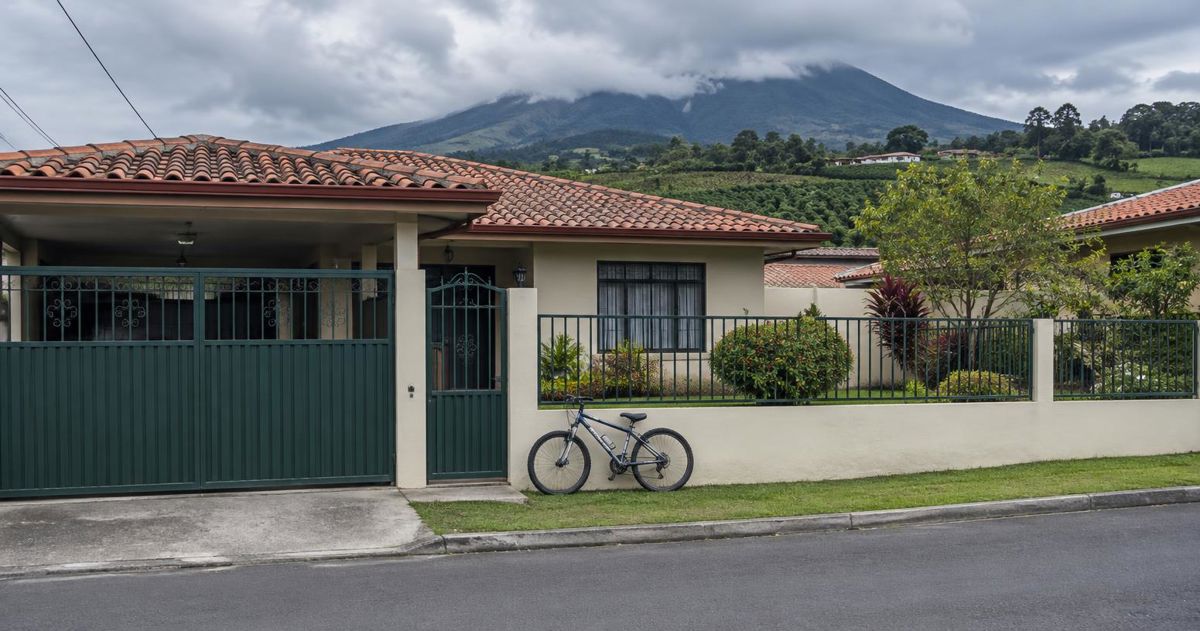
In Costa Rica, two almost identical houses can ask very different prices simply because of where they stand. This guide explains, for those buying to live in or to invest, how roads, transport, nearby services, surroundings and risks weigh on a property's value, and how to assess a public work that does not exist yet.
What appreciation is and how it is measured
| Province | Median | Typical range | Listings |
|---|---|---|---|
| Guanacaste | US$417k | US$225k – US$836k | 239 |
| Heredia | US$315k | US$213k – US$510k | 1,527 |
| Puntarenas | US$302k | US$175k – US$520k | 478 |
| San José | US$300k | US$205k – US$485k | 3,707 |
| Alajuela | US$272k | US$174k – US$467k | 1,722 |
| Cartago | US$185k | US$146k – US$315k | 707 |
| Limón | US$130k | US$80k – US$238k | 115 |
Appreciation is the increase in a property's value over time. In Costa Rica it is almost always discussed in relation to the land and its surroundings, because the building wears out over the years while the location, if the area improves, gains interest among buyers. A house can age and still be worth more than when it was bought, simply because a better road, a clinic, a school or a shopping center arrived nearby. The opposite also happens: an area that becomes congested or floods can hold back the value of well-kept houses.
Measuring it precisely is harder than it seems. The most direct way is to compare the purchase price with what is asked today for similar properties in the same area: a lot of similar size, comparable construction and a similar state of repair. Bank and appraiser valuations follow that logic of comparables. Keep in mind that listing amounts are asking prices, not closed sale prices, and that negotiation usually adjusts them. It is also worth separating real appreciation from the effect of inflation and from the improvements the owner has made to the house.
The table in this section shows the median asking price for houses in each province this month and works as a starting point to place an area within the market. But the province is too large a scale to see the effect of location: within a single canton there are districts with very different prices. To get down to that detail, the page on home prices in Costa Rica lets you compare neighboring areas, which is where the weight of roads and services really shows.
Advertisements
Which location factors push value up
The factors that raise value the most have to do with daily life: how easy it is to leave and arrive, which services are a few minutes away and how safe and orderly the area feels. Whoever buys a house in Costa Rica is paying, to a large extent, to solve their routine: getting to work, taking the children to school, doing the shopping and handling a medical emergency without losing the afternoon in the car. These are the factors worth checking in any area:
- Access: streets in good condition, alternative exits and closeness to a main road without being right on it.
- Public transport: nearby bus stops and, where it exists, the train.
- Services: a clinic or EBAIS, a hospital, primary and secondary schools within a reasonable distance.
- Everyday shopping: supermarket, pharmacy, bakery and farmers' market.
- Surroundings: parks, green areas, views and a quiet, well-kept neighborhood.
- Basic services: water that is reliable all year, electricity, internet and garbage collection.
Local commerce adds value when it solves everyday needs: a corner store, a soda, a pharmacy and a weekend market within walking distance. Cultural life and the identity of the area weigh in more subtly. Canton centers with their plaza, their church, their sodas and their neighborhood life, or towns with their own festivals and traditions, tend to keep buyers' interest because they offer something a new development lacks. How much they add is hard to isolate in a number; the prudent approach is to compare with neighboring areas that lack those attractions.
There is an important nuance: too much commerce can subtract. A bar with music on Fridays, a workshop on the same block or a shopping center with an overflowing parking lot changes the experience of living there. If you are still choosing an area, the guide how to choose a neighborhood before buying or renting organizes the visits and the questions worth asking neighbors before deciding.
How much roads, transport and travel times weigh
In the Central Valley, distance in kilometers says little. What matters is rush-hour travel time: a house a few kilometers from San José can end up more than an hour away in the morning if it depends on a single congested road, while another one farther out, with access to a highway, gets there sooner. That is why areas with alternative exits and a direct connection to main roads tend to hold their value better than those that depend on a single bridge or a narrow street.
Public transport widens the pool of potential buyers and tenants. A house near a bus stop with good frequency, or near a station of the train that links San José with Heredia, Cartago and Alajuela, also appeals to those who do not own a car or do not want to drive every day. For those investing in rentals this weighs even more, because tenants place great value on getting to work or school without depending on traffic.
Closeness to a main road has two sides. Being a few minutes from the highway adds; being right on its edge subtracts, because of noise, dust and traffic risk. The ideal is usually a quiet side street a short distance from the road. Before making an offer, drive the route to work or school on a weekday at the time you would really do it, not on a Sunday at noon.
Why services, parks and natural surroundings add value
Hospitals, clinics, EBAIS and schools add value to a property because they reduce the cost and time of daily life. For a family with children, having primary and secondary schools a few minutes away is often the main reason to choose an area. For older people or retirees, closeness to a hospital or a private clinic weighs as much as the size of the house. That steady demand is what sustains value: there will always be someone looking to live near those services.
There are nuances here too. Living across from a hospital or next to a school brings traffic, siren noise or lines of cars at drop-off and pick-up times. The location that adds the most is usually close, but not right on top. Also check the quality of the service and not only its existence: an overcrowded clinic or a school with few places weighs less than the map suggests.
Parks, green areas and natural surroundings have a growing effect on appreciation. A well-kept park, a nearby protected area, a view of the mountains or a cooler climate, like that of the higher parts of Heredia, Cartago or Escazú, make a house stand out from similar ones. What adds value is well-kept surroundings: an empty lot full of weeds next to the house does not count as a green area, and an unprotected stream can be more of a risk than an attraction.
What takes value away from a location and what can be built around it
Noise, congestion and flood risk are the three factors that take the most value away from a location in Costa Rica. Noise from a main road, a factory, a bar or the flight path near an airport is more noticeable at night. Congestion turns a well-located area into a trap at certain hours. And in a country with heavy rain from May to November, a house in a low-lying area, next to a river or a stream, can flood or suffer landslides, something buyers check more and more.
What can be built around also influences value. Each municipality defines in its zoning plan, when it has one, which uses are allowed in each area: housing, commerce, industry or a mix. An empty lot next to your house could become a multi-story condominium, a warehouse or a commercial space, and that changes the view, the traffic and the peace and quiet. Asking the municipality about the land use of the area and of neighboring lots is a simple check that many buyers skip.
| Signal | What to check | Where or how |
|---|---|---|
| Noise | Nearby roads, bars, factories or planes | Visit at night and on a weekend |
| Congestion | Exit time at rush hour | Drive the route on a weekday |
| Flood or landslide | Rivers, streams and low-lying areas | CNE hazard maps and neighbors |
| Nearby construction | Uses allowed on nearby lots | Zoning plan and municipal land use |
| Basic services | Water reliable all year | Ask neighbors and the water utility |
None of these signals rules out a house on its own, but all of them should be reflected in the price. If a property has a noise problem or sits in an area with flood risk, its asking price should be lower than that of similar houses without that problem. Comparing with the supply of homes for sale in Costa Rica in neighboring areas helps you know whether that difference is already included or whether the seller is ignoring it.
How to assess a public work that has not been built yet
A new road, a bridge, a hospital or a train expansion can change the value of an entire area. The problem is that in Costa Rica many works are announced years before they are built, and some are delayed or never arrive. Buying because of an announced work is a bet: if it materializes, the area can gain interest; if it is delayed, the buyer paid in advance for a benefit that takes time to arrive. Besides, the seller usually builds the work into the price from the day it is announced.
- Confirm the real status of the work: whether it has a design, funding and an awarded contract, or whether it is only an announcement.
- Check the planned route and schedule with the responsible institution or the municipality.
- Locate the house relative to the work: near an exit adds; right next to the road or a work zone can subtract.
- Think about the construction years: dust, detours and traffic jams can affect daily life and a sale.
- Compare the asking price with that of similar houses outside the area of influence, to know how much of the work is already being charged.
Our reading: the prudent approach is to buy for what the area offers today and treat the future work as a possible extra benefit, not as the main reason. If the house works for you even if the work is delayed several years, the decision is sound; if it only makes sense with the work finished, the risk is high.
What we would do
- Compare each house with similar ones in the same area before making an offer, and not only with the provincial average.
- If the budget is tight, look at cheap homes for sale in Costa Rica in areas with good access even if they are less fashionable, because access weighs more than a neighborhood's reputation.
- Before buying in a new area, live there for a while: homes for rent in Costa Rica let you test the daily commute and the noise before committing.
- For investors, look at the supply of cheap homes for rent in Costa Rica near universities, hospitals and main roads, where tenant demand tends to be steadier.
- Request the land use certificate from the municipality and check the hazard maps before signing, not after.
Frequently asked questions
What weighs more in location if I buy to live in or to invest?
If you buy to live in, your own routine weighs more: the time to work, the children's school, the quietness of the street and the services you use every day. If you buy to invest, what most future tenants or buyers look for weighs more: good access, public transport, closeness to universities, hospitals or workplaces, and an area without obvious risks. A house that is ideal for you may not be ideal for the market, and vice versa; it is worth being clear about which of the two goals comes first.
Is an area with a lot of commerce always worth more?
Not always. Everyday commerce within walking distance adds, because it solves daily life. But too much commerce on the same block, such as bars, workshops or shopping centers with heavy traffic, can subtract because of noise and congestion. What adds value is having services close, not right on top. The neighborhood's identity, its plaza or its community life also add, although their effect is hard to measure in a number.
Is it worth buying before an announced work is built?
It can be, but it is a bet. Many works in Costa Rica are announced years before being built and some are delayed or never arrive, while the seller usually charges for the benefit from the announcement. The prudent approach is to confirm whether the work has a design, funding and a contract, locate the house relative to the route, and buy only if the property works for you even if the work takes several years.
This guide summarizes common practice in Costa Rica for assessing how location, roads and services influence the value of a house. It does not replace the advice of a lawyer, a notary or an appraiser, who can review the specific case, the property documents and the restrictions of the area before the purchase.
Advertisements
More in Property Value Appreciation
Most viewed in Location and Value
Location and Value, Best Areas
House rents in October: what rose and what fell
Location and Value, Best Areas
The housing market in October: what rose and what fell
Location and Value, Emerging Areas
Where each house draws the most interest in Alajuela
Location and Value, Best Areas
The lot market in October: what rose and what fell