
Essential preparations to secure your new real estate investment
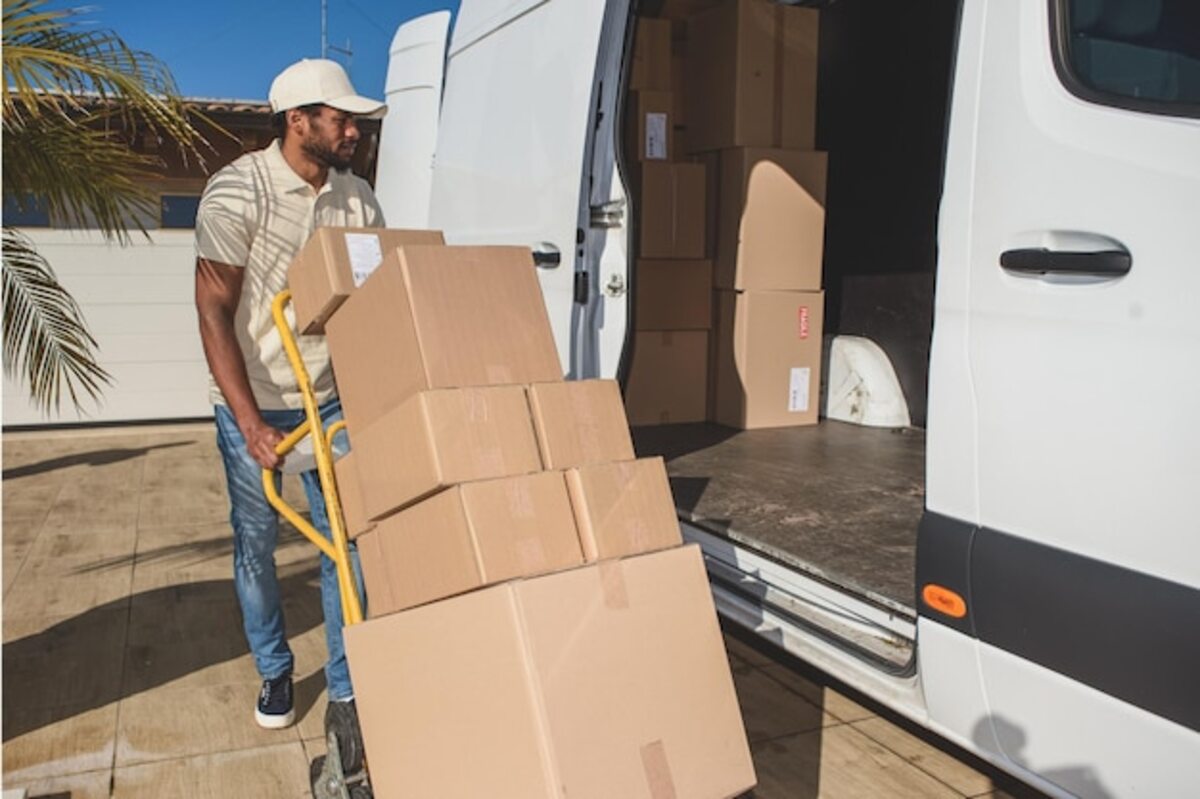
Securing your new real estate investment not only involves choosing the perfect property but also planning every detail of your move. In this article, I will guide you through the essential preparations that will ensure a smooth relocation, from selecting the right transportation to organizing your belongings. With these practical and effective tips, you can enjoy your new home in Costa Rica without the stress that often accompanies moving.
Assessment of your transportation needs: What type of move do you need?
The evaluation of your transportation needs is a crucial step in the moving process, as it will determine the type of service that best suits your situation. Before choosing a moving method, consider the quantity and type of belongings you need to move. If you are only moving a few boxes and small furniture, you can opt for a more compact vehicle or even do the move with the help of friends. However, if you have a wide variety of bulky items, such as appliances or large furniture, it will be necessary to hire a professional moving truck that can ensure the safety and proper care during the journey.
Additionally, it is important to consider the distance between your old and new home. If you are moving within the same locality, you may be able to choose more affordable and flexible options. However, if you are making a long-distance move or even moving to another country, you should consider additional services such as specialized packing and insurance for your belongings. Also evaluate your schedules and availability; some companies offer services outside of working hours to facilitate the transition without interrupting your daily routine. With this detailed assessment, you will be able to select the type of move that not only fits your logistical needs but also your budget.
Advertisements
Comparison of moving companies: How to choose the best option?
When choosing a moving company, it is essential to compare different options to ensure that your belongings are in reliable hands. Research local companies and check their online reviews, paying attention to comments about service quality, customer treatment, and punctuality. Additionally, make sure that the company has the necessary licenses and insurance to operate legally. Do not hesitate to ask for references from friends or family who have used these services before; their experience can help you make an informed decision.
Another key aspect in this comparison is the budget. Request detailed quotes from several companies and make sure to understand what each fee includes: hourly rates, mileage charges, cargo insurance, and any additional fees. By having clarity on these details, you can avoid unpleasant surprises at the end of the process. It is also advisable to ask if they offer additional services such as packing or temporary storage, which could be useful if your new home is not ready to receive all your belongings right away. Taking the necessary time to evaluate these variables will allow you to select the best option tailored to your specific needs during this important transition.
Prepare an inventory: The key to an organized move.
Preparing an inventory is a fundamental step for achieving an organized and efficient move. By creating a detailed list of all your belongings, you will not only have a clearer control over what you own, but you will also facilitate the packing and unpacking process. Start by categorizing your items into groups such as furniture, appliances, clothing, and kitchenware. This will allow you to quickly identify what needs to be packed and ensure that nothing important is lost during the move. Additionally, by having an inventory on hand, you will be able to check each box upon arriving at your new home, ensuring that everything has arrived in perfect condition.
Another essential aspect of the inventory is the ability to prioritize the load according to its importance or use. Some items will be essential from day one in your new home, while others can wait to be unpacked in a second phase. By labeling the boxes with clear descriptions and marking which contain essential items, you will greatly facilitate the task of settling into your new space. Also, remember to take photographs of valuable or fragile items before the move; this will not only serve as a reference for your inventory but also for claiming insurance if necessary. Meticulous planning through the inventory will greatly contribute to a stress-free and successful move.
Efficient packaging: Tips for protecting your belongings.
To ensure that your belongings arrive safely at your new home, efficient packing is essential. Start by sorting your items into categories: fragile items, clothing, books, and kitchen utensils, among others. Use boxes of different sizes and make sure they are in good condition; sturdy boxes are essential to support the weight of heavier items. Additionally, don't skimp on cushioning materials like bubble wrap or foam; these will protect your more delicate items during transport. Label each box with its contents and the corresponding room to make organization easier when unpacking.
Another key tip is to maximize space within the boxes. Fill the gaps with clothes, towels, or other soft materials that can cushion impacts during travel. To prevent items from sliding or breaking, make sure to seal the boxes properly with strong tape and consider using plastic wrap to secure loose pieces or small furniture. Finally, keep an essential kit with items you will need immediately upon arriving at your new home, such as basic cleaning products, tools, and important documents. With meticulous and well-planned packing, your move will be much smoother and less stressful.
Itinerary planning: Successfully organize your moving day.
Planning the itinerary is a crucial step to ensure that your moving day goes smoothly. Start by establishing a detailed schedule that includes every activity, from loading the furniture to arriving at your new home. Assign specific times for each task and make sure to account for potential delays or unforeseen circumstances. For example, if you hire a moving service, check their availability and coordinate suitable times for the transport and unloading of your belongings. A clear itinerary will not only help you stay organized but also reduce the stress associated with the move.
Also, consider the logistics of the move: will you need more than one vehicle? Are there restrictions on access to your new home? These details are crucial to avoid unpleasant surprises on moving day. If you have children or pets, plan how to manage their care during this hectic time; it might be best to leave them with family or friends. At the end of the day, good planning will not only make each stage of the process easier but will also give you peace of mind knowing that everything is going according to plan and that you will soon be able to enjoy your new space without additional concerns.
Legal considerations and permits: What you need to know before moving.
Before carrying out your move to a new home, it is essential to familiarize yourself with the legal considerations and permits required in the area where you plan to reside. Each country and region has its own regulations regarding real estate, and Costa Rica is no exception. Make sure to review aspects such as property ownership, any existing liens or mortgages, as well as local regulations on property use. It is also advisable to consult with a lawyer specializing in real estate to ensure that all documents are in order and that there are no unpleasant surprises later on.
In addition to the aspects related to property, keep in mind that some locations may require specific permits to make structural changes or renovations to your new home. This includes everything from minor renovations to significant expansions. Inform yourself about municipal regulations or homeowner association rules if applicable, as ignoring these requirements could lead to penalties or even future legal issues. By having a clear understanding of these legal considerations before moving, you can fully enjoy your new real estate investment without additional worries.
Be careful with fragile objects: Strategies for transporting them without damage.
When it comes to moving, transporting fragile items is one of the most important challenges we face. From glassware and ceramics to delicate appliances, each item requires a careful approach to avoid damage. An effective strategy is to wrap each object individually in padding or bubble wrap, making sure there is no empty space in the box that could cause movement during transport. Additionally, clearly labeling the boxes with the indication "fragile" will help those assisting you handle those items with the necessary care.
Another useful technique is to use boxes of different sizes and shapes to optimize space and ensure that heavier items are placed at the bottom, while lighter and more fragile ones are placed on top. You can also take advantage of towels, clothes, or blankets to provide an additional layer of protection between items inside the box. Finally, when loading the moving vehicle, make sure to position these boxes strategically; keeping them in a safe and accessible place will minimize the chances of damage during the journey and facilitate their unloading in your new home. With these simple strategies, you can move your fragile belongings without worries or unpleasant surprises.
Additional services offered by transportation companies: What else can you take advantage of?
When it comes to moving, many transportation companies go beyond simply relocating your belongings from one place to another. Among the additional services you can take advantage of are professional packing, temporary storage, and assistance with organization. Choosing a packing service ensures that your fragile and valuable items will be adequately protected during the move, significantly reducing the risk of damage. Additionally, if you need time to organize your new home before receiving all your things, many companies offer secure storage solutions where you can keep your belongings until you're ready to set them up.
Additionally, some companies offer personalized services such as complete relocation, which includes not only transportation but also interior design planning and furniture installation in your new property. This can be especially helpful if you feel overwhelmed by the logistical details or if you want to ensure that every element is in its place from day one. By researching the available options and selecting a company that offers these additional services, you will not only make your move easier but also be able to enjoy the comfort and functionality of your new home more quickly.
Adapting to the new home: First steps after a successful move.
Once you have arrived at your new home, the first step is to take a moment to breathe and absorb the change. Moving can be an exhausting process, so it's essential to allow yourself to enjoy this new chapter in your life. Before you start unpacking, walk through every corner of the house and familiarize yourself with your surroundings. Take some time to learn about the features of the property, such as the location of the water and electricity shut-off valves, or how the appliances work. This will help you feel more comfortable in your new space from the very beginning.
As you start organizing your belongings, set priorities. Decide which rooms you need to get up and running first; you might want to begin with the kitchen and the bedroom to make your daily routine easier. Also, don’t underestimate the importance of creating a cozy environment: add personal touches like family photos or decorations that make you feel at home. Finally, consider introducing yourself to your new neighbors; building a good relationship with them will not only help you feel more integrated into the community but can also be useful for getting recommendations about local services or nearby activities.
Advertisements
More in Transportation Services
Preparation and Moving, Transportation Services
Practical guide to ensure your move to an ideal new home
Preparation and Moving, Transportation Services
Practical tips for a move that protects your new investment

Preparation and Moving, Transportation Services
Discover how music can make your move easier

Preparation and Moving, Transportation Services
How to make an effective transition when moving to your new home
Most viewed in Preparation and Moving

Preparation and Moving, Moving
Tips for a successful move to your new home in Costa Rica

Preparation and Moving, Moving
Keys to ensure that your new home is a safe investment
Preparation and Moving, Transportation Services
Practical guide to ensure your move to an ideal new home
Preparation and Moving, Transportation Services
Practical tips for a move that protects your new investment