
Tips for ensuring your peace of mind during the move to a new home.
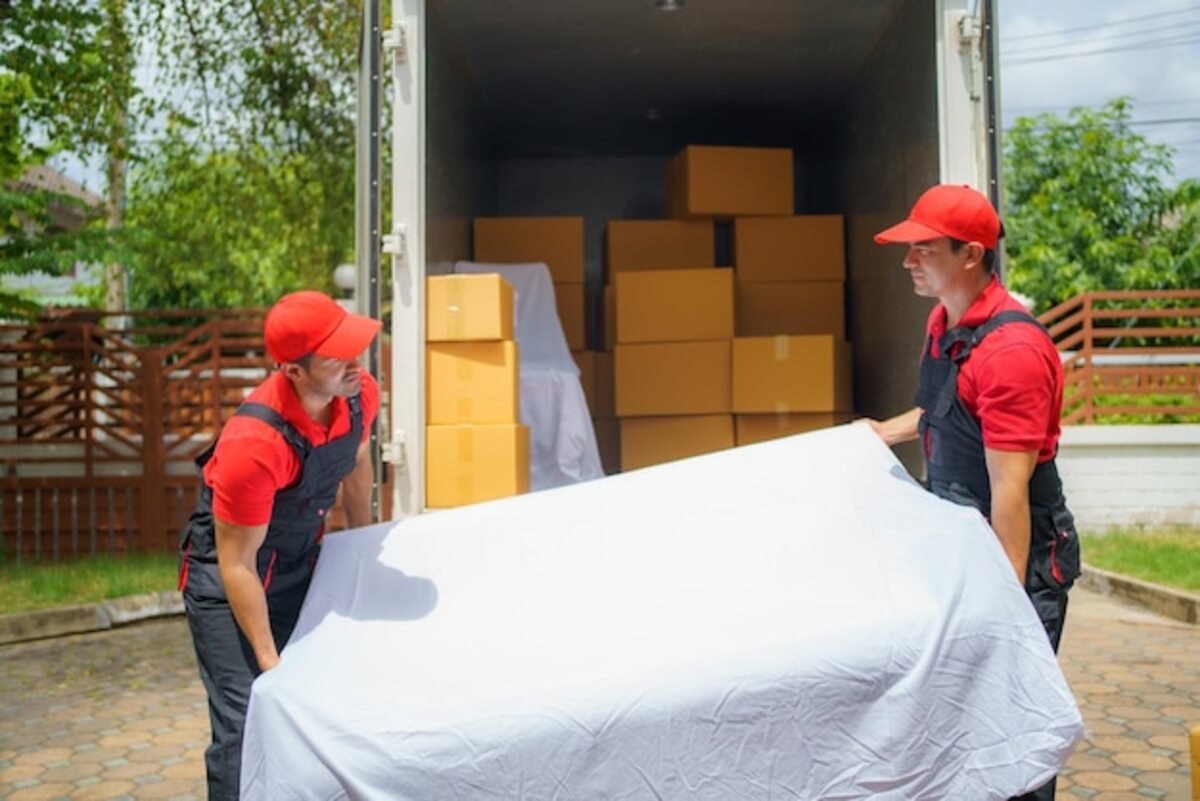
Ensuring your peace of mind during a move to a new home may seem like a monumental challenge, but with the right tips, it's possible to turn this process into a smooth and stress-free experience. In this article, you will discover effective strategies that will help you coordinate your move efficiently, ensuring that both your belongings and your emotional well-being are protected. Get ready to enjoy this new phase in your life with confidence and serenity.
Plan ahead: the first step towards a successful move
Planning ahead is key to ensuring a successful and smooth move. Start by creating a detailed timeline that covers each stage of the process, from initial preparation to moving day. Set specific dates for packing, getting rid of unnecessary items, and coordinating services such as transportation and installation of utilities in your new home. With a clear plan in place, you can avoid hasty decisions and significantly reduce the stress associated with the unforeseen issues that often arise during these types of transitions.
In addition to creating a schedule, it is essential to make a comprehensive list of your belongings. This list will not only help you organize the packing process but will also allow you to keep track of what you are moving to your new home. Consider categorizing your items by categories or rooms, which will make both packing and unpacking easier later. Don't forget to include time in your planning to visit your new neighborhood; familiarizing yourself with nearby amenities and meeting your new neighbors can be a great way to start this new phase on the right foot.
Advertisements
Selection of the appropriate transport: truck, van or professional service?
Choosing the right transportation is a crucial step in the moving process, as it directly impacts the safety of your belongings and the efficiency of the move. When considering whether to opt for a truck, a van, or a professional service, it is important to evaluate the amount and type of furniture you need to move. If your current home has many large or bulky items, a truck may be the best option to ensure that everything is transported in one load. On the other hand, for smaller moves or with fewer items, a van might be sufficient and more cost-effective.
In addition to the dimensions and volume of your belongings, you should also consider your own level of comfort and availability. If you prefer to avoid the physical and emotional stress that comes with carrying and moving your things yourself, hiring a professional service may be the ideal solution. These services not only have appropriate vehicles for the safe transport of your items, but they also have trained personnel to properly handle each load. This way, you can devote your time to organizing your new home and enjoy the process without additional worries.
Detailed inventory: the key to not losing anything during the move
A detailed inventory is an essential tool to ensure that nothing gets lost during the move to your new home. By making a comprehensive list of all your belongings, you will not only be able to keep a more effective track of what you are moving, but it will also help you identify which items are a priority and which can be stored or donated. This process will allow you to get rid of the unnecessary and simplify your move, making every box count and facilitating organization in your new home. To create an effective inventory, start by going through each room and noting the items on a specific sheet or app. Include details such as the condition and approximate value of each item. Additionally, you can take photographs to have a visual backup to help verify that everything has arrived in good condition at its destination. Once you arrive at your new home, it will be much easier to unpack following your list, ensuring that nothing is left behind and maintaining peace of mind during this exciting life change.
With a well-structured inventory, you not only minimize the chances of loss but also reduce the stress associated with moving. The feeling of having controlled all aspects of the relocation will allow you to fully enjoy this new stage without additional worries about what you might have forgotten or lost along the way.
Smart packing: techniques to protect your most fragile items
Packing fragile items can be one of the most challenging tasks during a move, but with some smart packing techniques, you can ensure they arrive at their destination in perfect condition. Start by gathering appropriate materials: sturdy boxes, bubble wrap, blankets, and tape are essential. When packing items like dishware, glassware, or delicate decorations, wrap them individually in bubble wrap or soft towels to cushion any impact. Place a piece of cardboard between each item to prevent them from rubbing against each other, and make sure to fill any empty space inside the box with additional material to prevent movement.
Another useful technique is to clearly label each box with its contents and the word "fragile" highlighted. This will not only facilitate identification during unloading but will also alert those helping you to handle your belongings with greater care. Additionally, consider using specific boxes for fragile items; these usually have extra reinforcements and are better suited for delicate articles. Finally, when you arrive at your new home, make sure to unpack these items first, placing them immediately in their new spots to avoid any unnecessary risk while organizing the rest of your things. With these simple yet effective practices, you can protect your most vulnerable treasures and enjoy a worry-free move.
Hiring reliable transportation services: what to consider
When planning a move, choosing a reliable transportation service is crucial to ensure that your belongings arrive at their destination in perfect condition. Before making a decision, research several options and check online reviews. Other customers' opinions can provide you with a clear insight into the quality of the service and the professionalism of the company. Additionally, request detailed quotes to compare prices, but keep in mind that cost should not be the only criterion; experience and recommendations are equally important.
Once you have narrowed down your options, make sure to interview the selected companies. Ask about their insurance policies and what measures they implement to protect your belongings during transport. It is essential that they have adequate insurance that covers any eventuality. Do not hesitate to clarify all the details of the service, including estimated times, loading and unloading methods, as well as equipment available to handle large or delicate furniture. Taking the necessary time to choose a reliable service will provide you with peace of mind during the move and allow you to focus on enjoying this new stage in your life.
Communicating the move: notices to friends and family
When communicating your move to friends and family, it is essential to do so clearly and in a timely manner. Inform your loved ones in advance about the moving date, as well as any significant changes that may affect their plans. This will not only allow them to adjust to your new reality but also give them the opportunity to offer their support and help during the process. You can use different means to communicate: a phone call, a text message, or even a social media post can be effective in reaching everyone.
Additionally, consider organizing a small gathering before the move. This meeting can serve as an informal farewell where you share your plans, answer questions, and receive well wishes. By keeping the lines of communication open with your friends and family, you will not only strengthen your emotional bonds but also create a positive atmosphere around this transition. Remember that sharing your experience with them can make you feel more supported and less overwhelmed by the upcoming changes in your life.
The importance of a well-organized D day: activity schedule
The organization of a well-structured D day is essential to ensure that your move goes smoothly. A detailed schedule of activities will allow you to visualize each step of the process, from packing your belongings to arriving at your new home. By assigning specific times for tasks such as disassembling furniture, loading the truck, and doing the final cleaning in your old house, you can stay focused and avoid the overwhelming feeling that often accompanies such significant changes. Remember to include short breaks in your schedule; these moments are essential to recharge your energy and maintain a good attitude throughout the day.
It is also advisable to involve family or friends in this plan. Assigning them specific tasks not only optimizes time but also transforms the move into a more enjoyable and less solitary activity. You can create checklists based on your timeline to ensure you don't forget anything important, from documents to essential personal items you will need upon arriving at your new home. With a well-defined schedule and a support team by your side, you will be better prepared to handle any unforeseen events and enjoy the moving process with peace of mind.
Unpacking efficiently: how to settle into your new home quickly
Unpacking after a move can be as overwhelming as packing, but with a strategic approach, you can settle into your new home quickly. Start by prioritizing the boxes that contain essential items, such as kitchen utensils, clothing, and personal hygiene products. Keep a "first days box" handy that includes everything you'll need immediately: clean sheets, towels, chargers for electronic devices, and some basic kitchen supplies. By having these items accessible from the start, you can feel more comfortable and less stressed as you adjust to your new environment.
Once you have established your essential items, it is helpful to create a plan to unpack the rest of your belongings. Focus on one room at a time and set realistic goals for how much you want to accomplish each day. Unpacking becomes much more manageable when you concentrate on small tasks; for example, spend one afternoon organizing the kitchen and another creating a cozy space in the living room. Don't forget to involve other household members; turning the process into a collaborative activity will not only help things move along faster but also help everyone feel part of the new home from the start.
Adapting to the new environment: tips to feel at home from day one
Adapting to a new environment can be one of the biggest challenges after a move, but with some practical tips, you can feel at home from day one. First, it is essential to take some time to explore your new neighborhood. Take a walk through the nearby streets, visit local shops, and discover community spaces like parks or cafés. This simple act will not only help you get familiar with the area, but it will also give you the opportunity to meet your new neighbors and start building social connections that are essential for feeling integrated.
Another important aspect is to personalize your new home from the beginning. Placing your personal items, family photos, and memorabilia in visible places will help you create a cozy and familiar atmosphere. Additionally, taking the time to decorate each room according to your style can transform any empty space into a warm and personality-filled retreat. Don't forget to involve your family members in this process; having everyone participate in the decorating can strengthen family bonds and make the new home feel more united from the start.
Advertisements
More in Transportation Services
Preparation and Moving, Transportation Services
Practical guide to ensure your move to an ideal new home
Preparation and Moving, Transportation Services
Practical tips for a move that protects your new investment

Preparation and Moving, Transportation Services
Discover how music can make your move easier

Preparation and Moving, Transportation Services
How to make an effective transition when moving to your new home
Most viewed in Preparation and Moving

Preparation and Moving, Moving
Tips for a successful move to your new home in Costa Rica

Preparation and Moving, Moving
Keys to ensure that your new home is a safe investment
Preparation and Moving, Transportation Services
Practical guide to ensure your move to an ideal new home
Preparation and Moving, Transportation Services
Practical tips for a move that protects your new investment