Quality of life
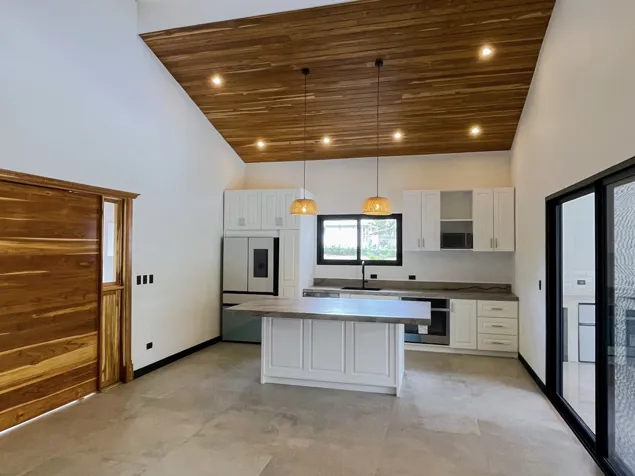
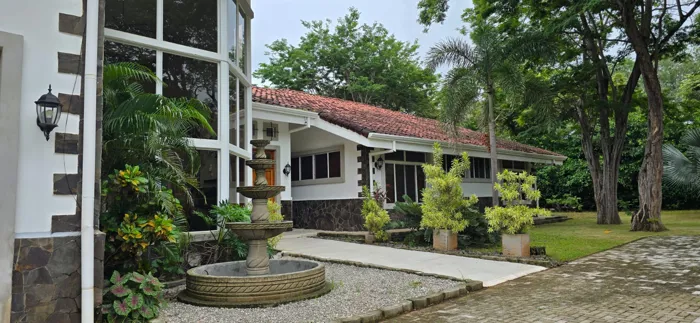
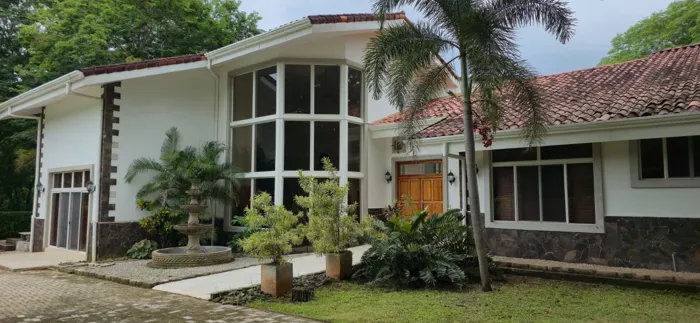
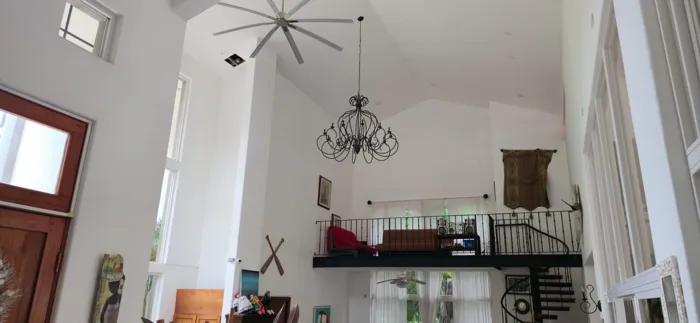
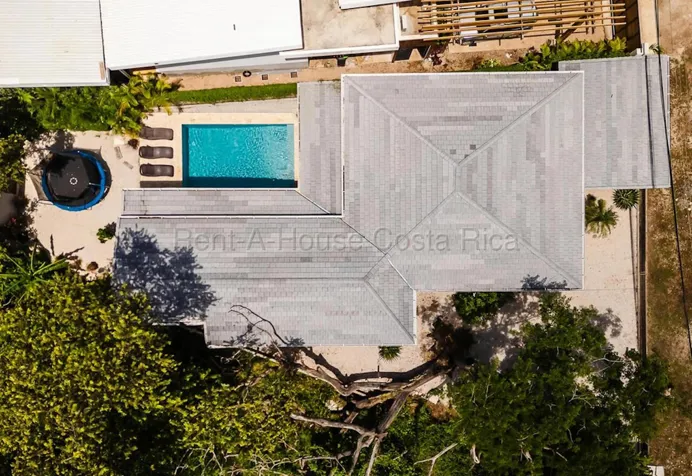
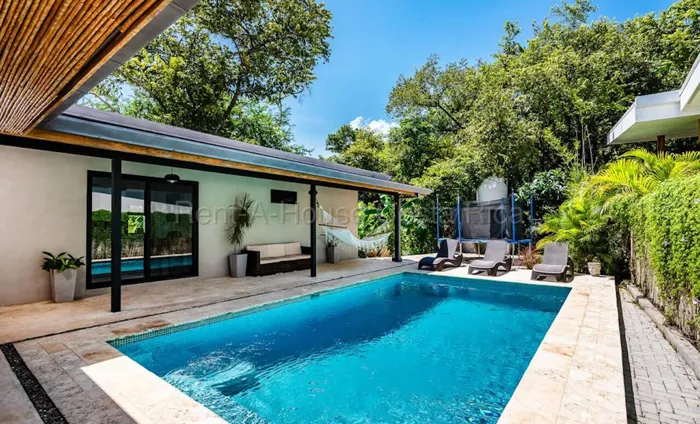
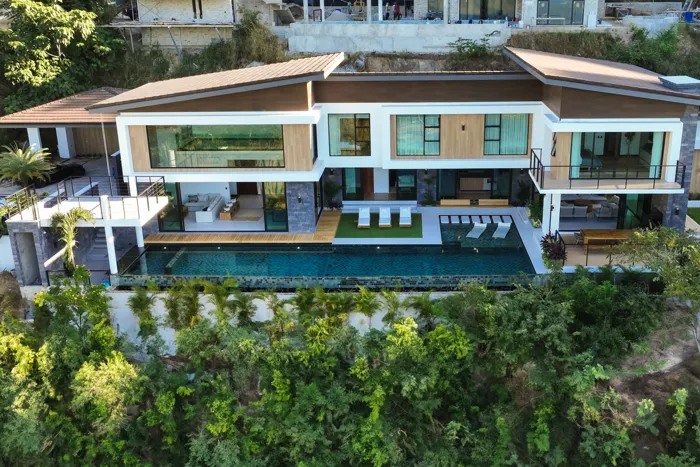
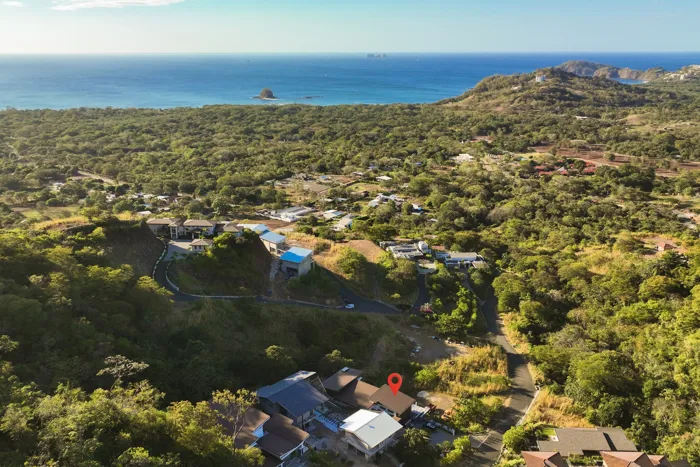
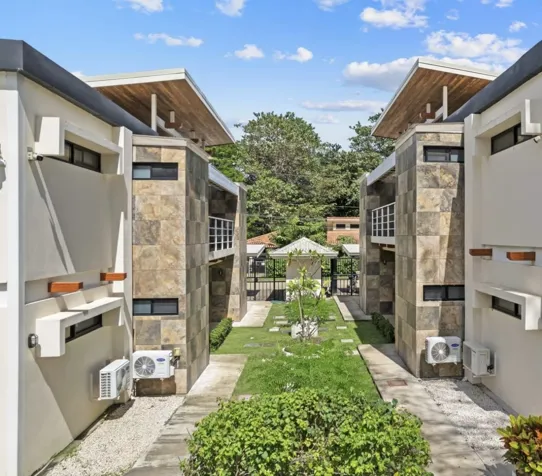
Cabo Velas is a coastal district in the canton of Santa Cruz, Guanacaste, covering a fairly large territory. Its district seat village is Matapalo, and it borders the districts of Tempate and Tamarindo. The listings pattern points to a mix of houses, lots and land, and farms, so settled areas and open land sit side by side.
Before moving, check the practical details of the specific street or village: water supply, electricity and internet coverage, road surface and access in the rainy season, and how much noise comes from nearby roads or visitor areas.
Cost of living
Housing is usually the biggest line in a budget here, whether you rent a house or buy a home, a lot or a farm. Prices vary with how close a property is to the coast and to the main roads.
Add to the budget the utilities (electricity, water, internet), daily transport and fuel, and, if buying, the annual property tax paid through the local municipality and any condo or community fees. When there are enough listings, this page shows above the typical rent and purchase prices and what is listed by type.
Advertisements
Lifestyle
Daily life in Cabo Velas is coastal and mostly low-density, with a number of separate villages rather than one single town center. Many residents will rely on a car for groceries, errands and getting between villages.
For official procedures, banking and larger purchases, the canton seat of Santa Cruz is the reference point, and it is a real trip from here rather than a short walk. Rural properties and farms suit people who want space; houses in or near the beach villages suit those who prefer to be close to the sea.
Climate and nature
Cabo Velas is on the Pacific coast of Guanacaste, one of the drier parts of Costa Rica. The year divides into a dry season, generally from December to April, and a rainy season for the rest of the year, with the heaviest rain usually in the later months.
Being coastal, the district has beaches and coastal land, and sea breezes can change how the heat feels. In the dry season, water availability and dust on unpaved roads are worth asking about; in the rainy season, ask about drainage and road conditions.
Economy and opportunities
The economy of this part of Guanacaste rests mainly on tourism and related services, together with farming and cattle ranching in the interior. Work tends to be in hospitality, construction, property services and small businesses.
San José is far away for regular commuting, so jobs in the metro area are not a practical daily option. Remote workers and people with income from abroad should check connectivity at each property. The international airport in Liberia is the main link for travel, which matters for people who fly often or receive visitors.
Accessibility and location
Cabo Velas is district number 8 of the canton of Santa Cruz, in the province of Guanacaste. Its postal code is 50308 and its area is 73.7 km² (28.5 sq mi). It borders the districts of Tempate and Tamarindo, and its district seat village is Matapalo.
In a straight line, it is 27.9 km (17.3 mi) from the canton seat of Santa Cruz, 197.1 km (122.5 mi) from downtown San José and 38.4 km (23.9 mi) from Daniel Oduber International Airport (LIR).
Costa Rica's official territorial division (Decree 44882-MGP) lists these villages: Brasilito, Buen Pastor, Conchal, Flamenco, Garita Vieja, Jesús María, Lajas, Lomas, Playa Cabuya, Playa Grande, Playa Mina, Playa Real, Puerto Viejo, Salinas, Salinitas, Tacasolapa and Zapotillal. Real travel time depends on the hour and the road.
History
In the Cabo Velas region, Santa Cruz, Guanacaste, Costa Rica, the history begins in the late 19th century when the first agricultural communities were established. Over the years, the area has evolved from a rural zone to a tourist destination, known for its beaches and biodiversity.
In 1980, the first hotel was opened, marking the beginning of tourism development, which has transformed the local economy. The culture is a blend of Costa Rican traditions and local customs, reflected in festivities such as the celebration of the Virgin of Guadalupe. Today the area attracts tourists and also people looking to settle in a natural environment.
Tips
Visit at different times of day and on different days, and drive the routes you would use for errands, work or the airport, since traffic and road conditions change with the hour and the season.
Ask the owner about water and utilities for the specific property: whether water comes from a public system or a well, and ask for recent electricity and water bills. If you rent, sign a written lease under Costa Rica's General Law of Urban and Suburban Leases (Law 7527). You can also save listings in the zone with Anuntico to compare options over time.
In summary
Living in Cabo Velas, Santa Cruz, Guanacaste, Costa Rica, is an ideal choice for those looking to establish their home or invest, thanks to its stunning natural beauty and relaxing atmosphere. Cabo Velas is a coastal district of Guanacaste with several beach villages, rural land and a mix of houses, lots and farms. It makes most sense for buyers and renters who are comfortable driving for most errands and who want a coastal setting away from the capital. Check water, access and connectivity property by property before deciding.