Quality of life
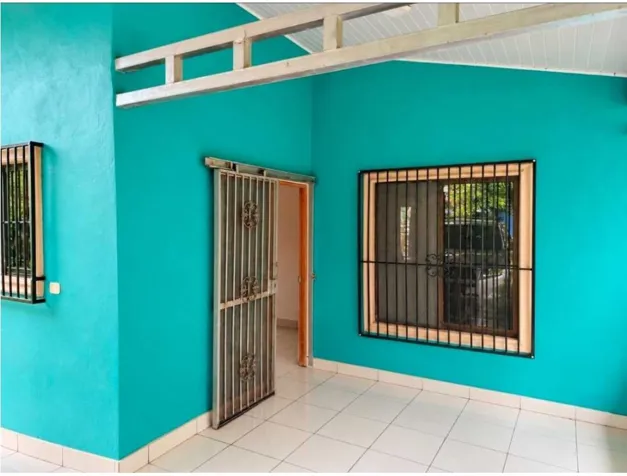
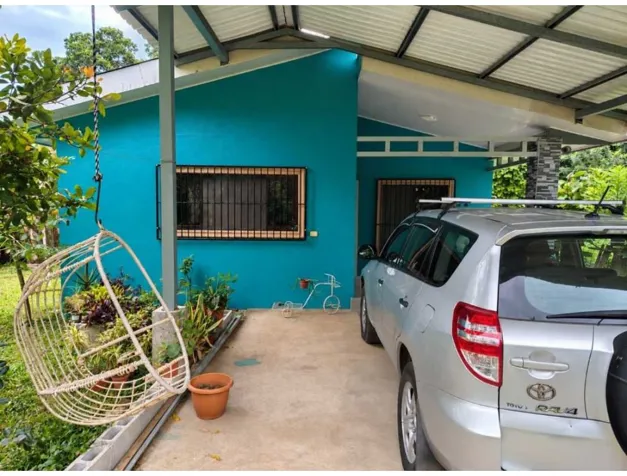
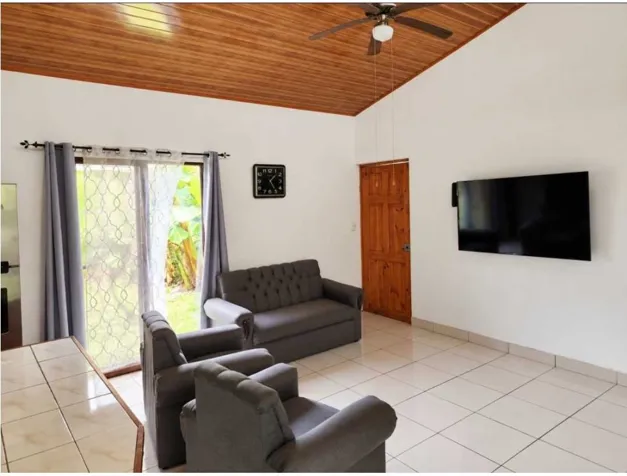
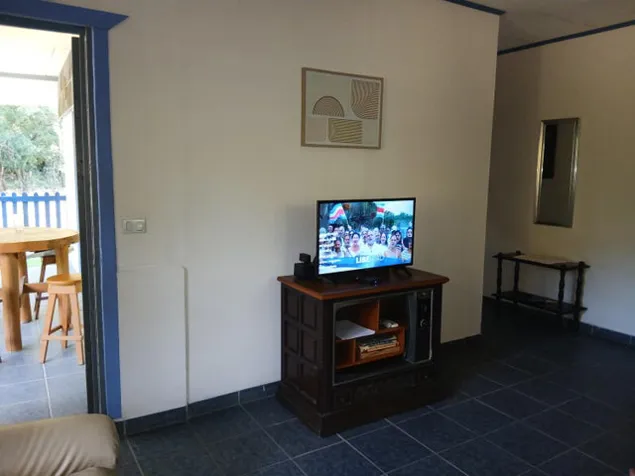
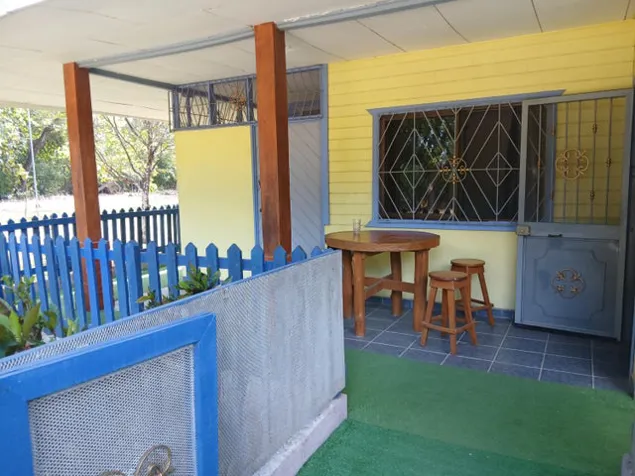
Cartagena is a rural inland district in the canton of Santa Cruz, Guanacaste. The pack lists houses, lots and land, and farms for sale, and houses for rent, which points to a mix of residential and agricultural use rather than a dense urban core. It is not on the coast.
Before moving, check the practical details of the specific property: how far it is from the nearest services, whether water comes from a public system or a well, the noise level at different hours, and whether the access road is paved and passable in the rainy season.
Cost of living
In a district like this, housing is usually the largest expense, and it varies with property type, size and access. Houses, lots and farms are listed for sale, so costs differ a lot between a home in a village and a rural parcel.
Beyond rent or the mortgage, budget for electricity, water, internet and phone, daily transport (a car is common outside town centers), and, if buying, annual property tax paid to the municipality. When there are enough listings, this page shows above the typical rent and purchase figures for the zone, which is a better starting point than general estimates.
Advertisements
Lifestyle
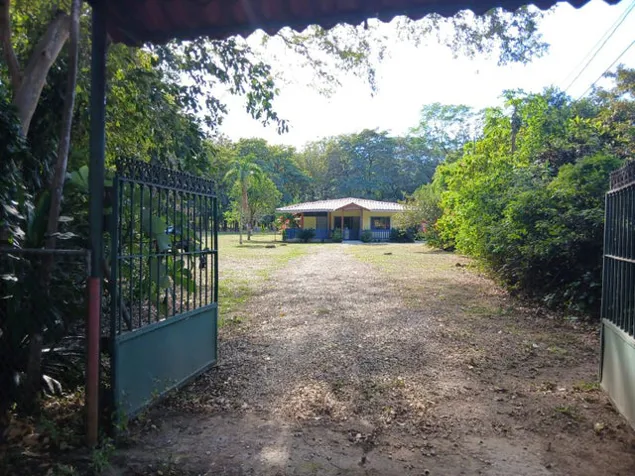
Daily life here is shaped by its rural character. Expect more space between homes than in a city, with errands often involving a drive. The district has official villages and two neighborhoods rather than a single town grid, so services may be spread out.
The canton seat, Santa Cruz, is the closest larger center for banking, government offices and bigger shopping trips. Anyone planning to live here full time should visit on weekdays and weekends to see how the area really works.
Climate and nature
Guanacaste has a marked dry season, generally from about December to April, and a rainy season for most of the rest of the year, when afternoon showers are common and the landscape turns green. The Pacific lowlands of the province are generally among the drier parts of the country.
Cartagena is not coastal, so its setting is inland plains and farmland rather than beachfront. Dust, heat and mud can each affect rural roads at different times of the year, so ask how a property fares in both seasons.
Economy and opportunities
The economy of this part of Guanacaste has traditionally rested on farming and cattle, along with services and tourism that serve the wider province. Local work is often tied to those activities or to businesses in the canton seat.
Being far from San José means that jobs in the capital's metro area are not a realistic daily commute. Proximity to the international airport, however, matters for remote workers, frequent travelers and anyone whose work involves visitors. Confirm internet options at a specific address before relying on them for work.
Accessibility and location
Cartagena is district number 5 of the canton of Santa Cruz, in the province of Guanacaste. Its postal code is 50305 and its area is 82.9 km² (32.0 sq mi).
It borders the districts of Santa Cruz, Veintisiete de Abril and Tempate, plus Sardinal and Belén in the canton of Carrillo. In a straight line, it is 16.6 km (10.3 mi) from Santa Cruz, the canton seat; 182.6 km (113.5 mi) from downtown San José; and 29.3 km (18.2 mi) from Daniel Oduber International Airport (LIR).
Costa Rica's official territorial division (Decree 44882-MGP) lists the neighborhoods Edén and Toyosa, and the villages Cañafístula, Corocitos, Higuerón, Jobo, Lorena, Oratorio and Sacatipe. Real travel time depends on the hour and the road.
History
Cartagena, located in the province of Guanacaste, Costa Rica, has a history that dates back to its founding in 1868. Originally a small agricultural settlement, it has evolved due to its proximity to beaches and natural landscapes. The culture of the district is reflected in its traditions, which include local festivals and a cuisine influenced by the region's biodiversity. Over time, its population has grown, making it a place of interest for investment and tourism.
Tips
Drive the daily commute at different hours, including rush hour and weekends, to see real conditions on local roads. Visit in both the dry and rainy seasons if you can.
Ask the owner about water and electricity for the property: whether the water supply is public or a well, and request recent bills. If renting, insist on a written lease under Costa Rica's General Law of Urban and Suburban Leases, Law 7527. For purchases, have a lawyer check the title at the National Registry. You can also use Anuntico to save listings in the zone and compare them over time.
In summary
Living in Cartagena, Santa Cruz, Guanacaste, Costa Rica, is an ideal choice for those looking to establish their home or invest due to its stunning natural beauty and warm climate year-round. Cartagena is an inland, rural district of Santa Cruz where houses, lots and farms are the main property types listed. It makes sense for buyers and renters who want more space and a farming-oriented setting, and who are comfortable driving for errands. It is less suited to those who need a beach setting or a daily commute to the capital.