

Quality of life
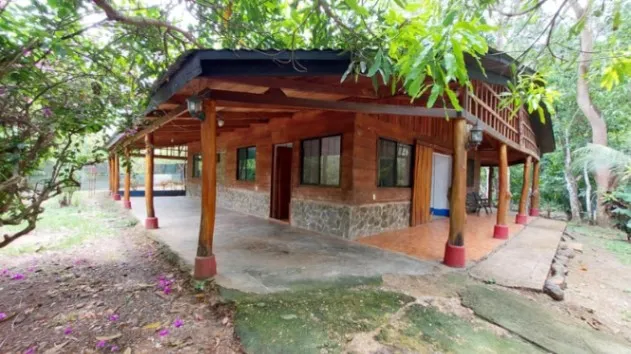
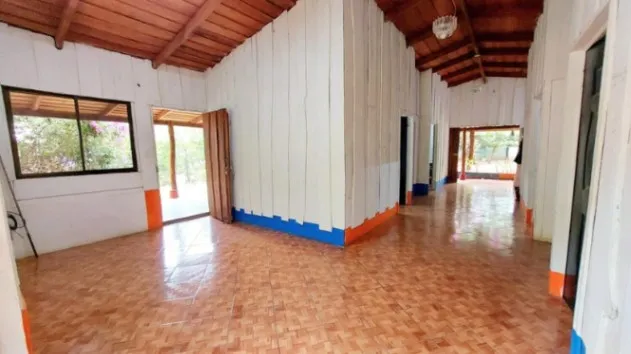
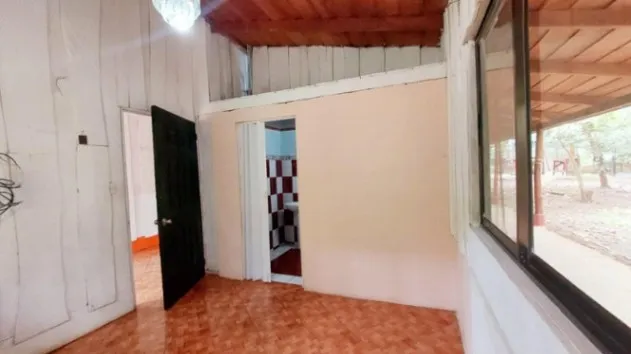
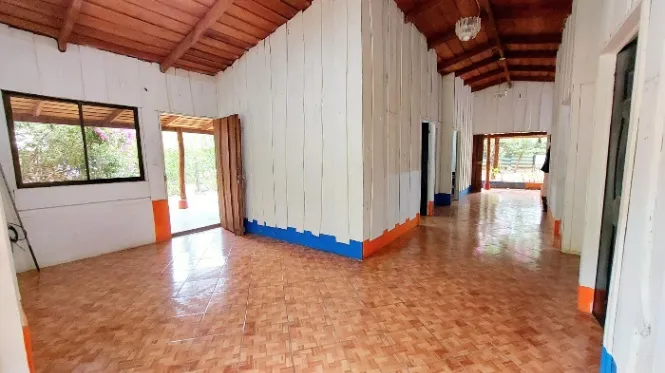
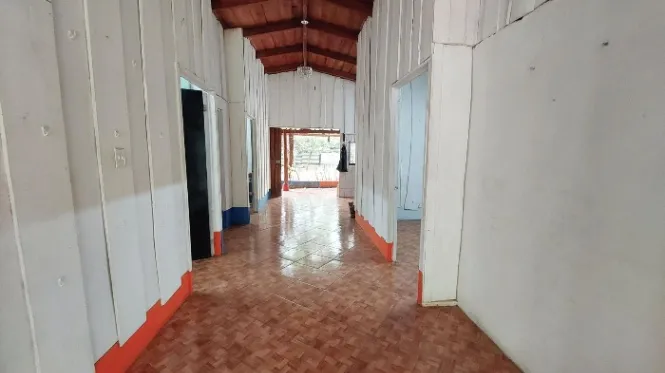
San Juan de Mata, Turrubares, San José is a rural, inland district. It is the third district of its canton and covers a fairly large area, with several small villages rather than one dense center. The pack shows houses, lots and land, and farms listed for sale, so the market leans toward residential and agricultural property.
Before moving, check the practical details of the specific property: how far it is from shops and health services, whether the water supply is public or a private well, how much noise there is, and whether the access road is passable in the rainy season.
Cost of living
In a rural district, housing is the main cost driver, and the type of property matters: a lot or a farm is priced differently from a finished house. Beyond the purchase or rent, budget for electricity, water, internet and phone service, which can vary by location.
Daily transport is another line to plan for, since errands usually involve longer trips than in a city. If you buy, add the annual property tax and the registration costs. When there are enough listings, this page shows above the typical prices and what is listed by type.
Advertisements
Lifestyle
Daily life here is rural. The district has no coastline, and its villages are small, so most people can expect to plan trips for groceries, banking and paperwork instead of walking to them.
The canton seat, San Pablo, is the nearest reference for administrative errands, and it is reasonably close within the same canton. Expect a quieter pace, more space per property, and a stronger need for a car than in the Central Valley cities.
Climate and nature
The district is inland, in the western part of the San José province, where the country has a dry season and a rainy season. In general, the dry months run from roughly December to April, and the rest of the year is wetter. Areas on higher slopes tend to be cooler and wetter, while lower ground tends to be warmer and drier.
It borders districts of the Orotina and Garabito cantons, which lead toward the Pacific side of the country, but San Juan de Mata itself is not coastal.
Economy and opportunities
The economy of rural districts in this region of Costa Rica is generally based on farming and livestock, with some services and tourism in the wider area. Local jobs are usually limited, so many residents work in nearby towns or farm their own land.
Being relatively close to San José and the international airport matters for remote workers, commuters and anyone who needs to travel often. Still, a daily commute to the capital would be long, so those studying or working in the metro area should test the route before deciding.
Accessibility and location
San Juan de Mata is district 3 of the canton of Turrubares, in the province of San José. Its postal code is 11603 and it covers 86.2 km² (33.3 sq mi).
It borders San Pablo, San Pedro, San Luis and Carara, in the same canton, plus Orotina and Coyolar (canton of Orotina) and Tárcoles and Lagunillas (canton of Garabito).
In a straight line, it is 12.3 km (7.6 mi) from San Pablo, the canton seat, 51.4 km (31.9 mi) from downtown San José and 39.4 km (24.5 mi) from Juan Santamaría International Airport (SJO).
Its official villages are Bajo Laguna, El Barro, Molenillo, Paso Agres, Surtubal and Tronco Negro, according to Costa Rica's official territorial division (Decree 44882-MGP). Real travel time depends on the hour and the road.
History
San Juan De Mata has evolved from a small agricultural settlement to a community in the province of San José. During the 20th century, the development of infrastructure and services contributed to its growth and economic diversification.
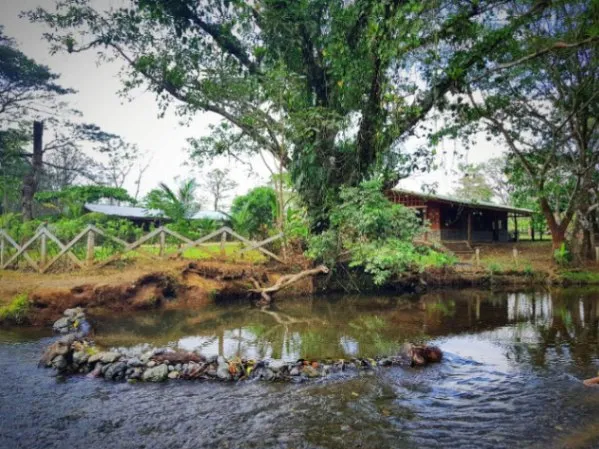
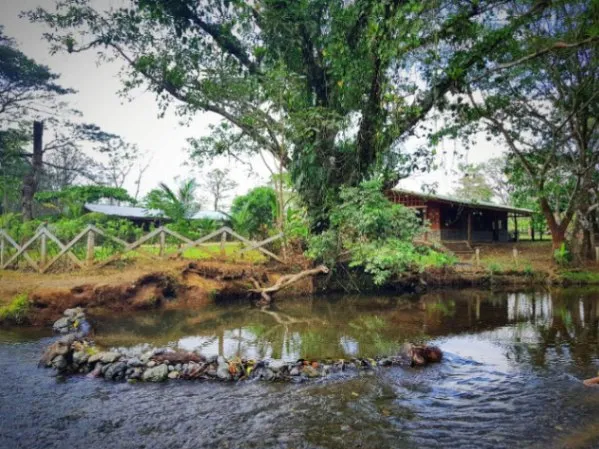
Local culture is expressed through traditions such as the patron saint festivals, where music and typical gastronomy take center stage, reflecting Costa Rican identity. Its natural surroundings, with mountains and rivers, offer a way of life in contact with nature.
Tips
- Drive the route to your daily destinations at different hours, including rush hour and after rain.
- Ask whether the property has public water or a well, and what electricity and internet options exist.
- Request recent utility bills to see the real monthly costs.
- Check the property's registry record at the National Registry, and for farms and lots confirm access and boundaries.
- If renting, sign a written lease under the General Law of Urban and Suburban Leases, Law 7527.
- You can save listings in this zone on Anuntico to compare options over time.
In summary
Living in San Juan De Mata, Turrubares, San José, Costa Rica, is an ideal choice for those looking to establish their home or invest, thanks to its natural and tranquil environment that promotes a healthy lifestyle. The district is a rural, inland area of the Turrubares canton, with houses, lots and farms on the market. It makes the most sense for buyers who want space and a quiet setting, and who accept driving for most errands. It is less suited to people who need daily urban services within walking distance.