

Quality of life
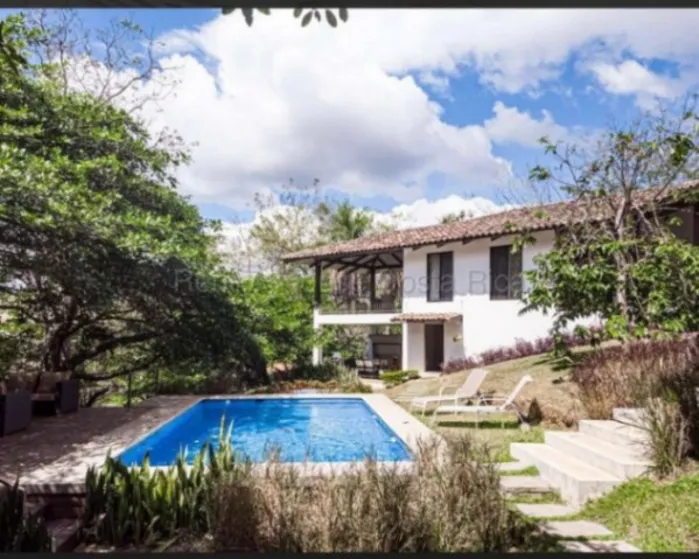
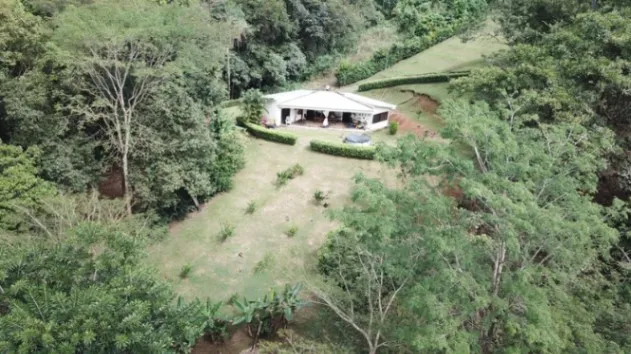
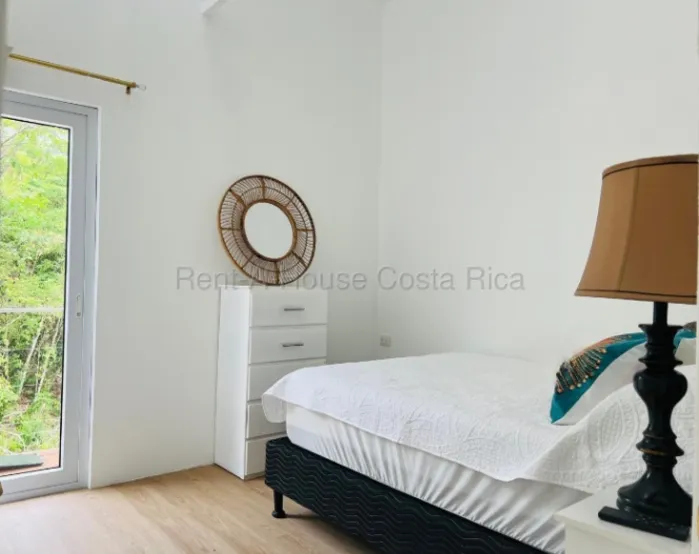
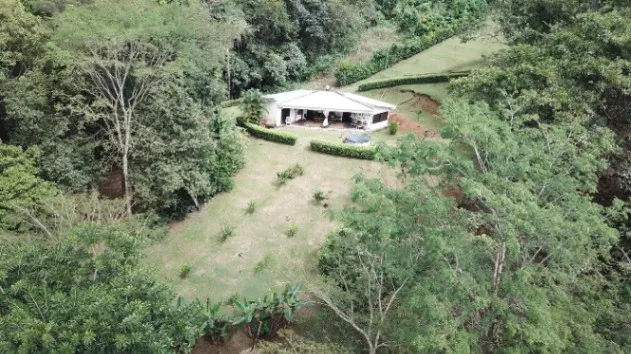
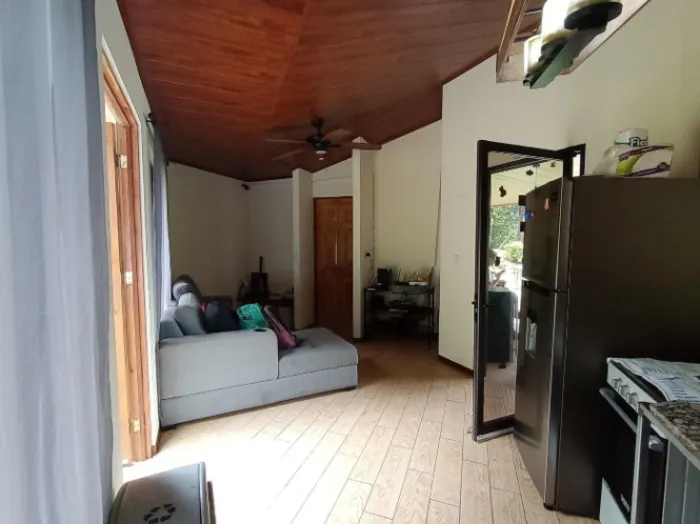
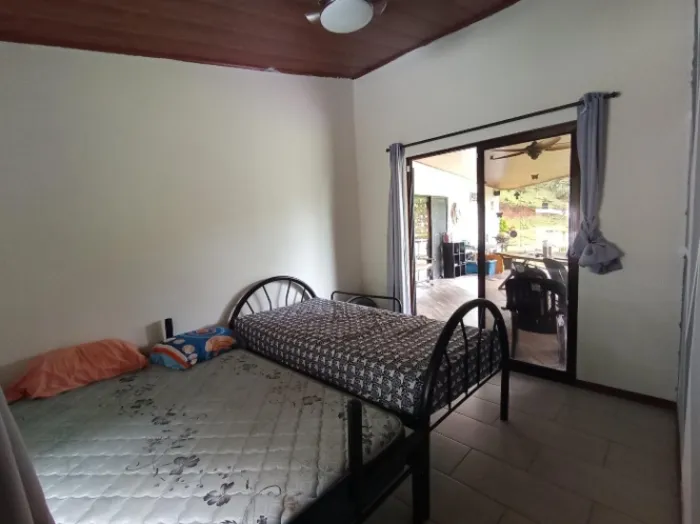
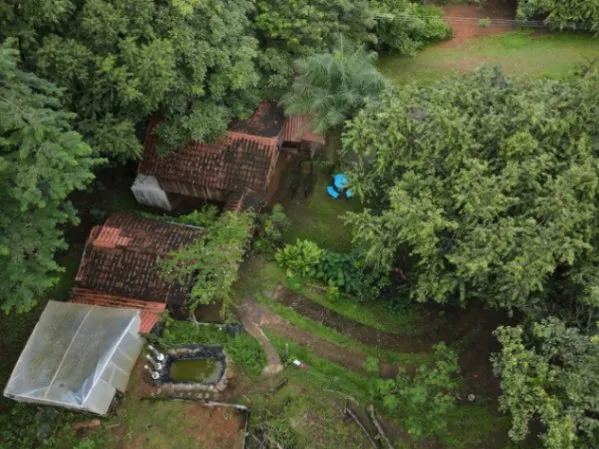
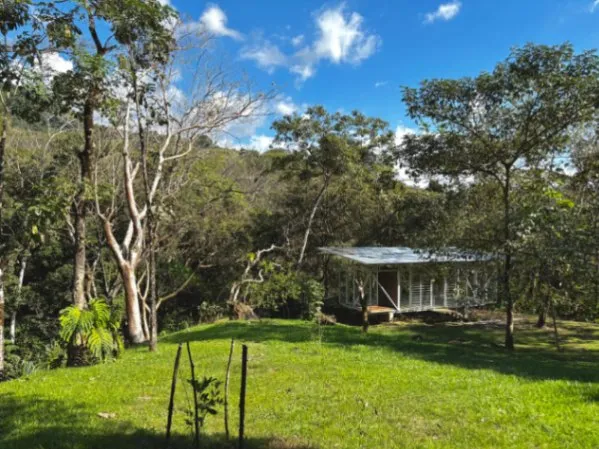
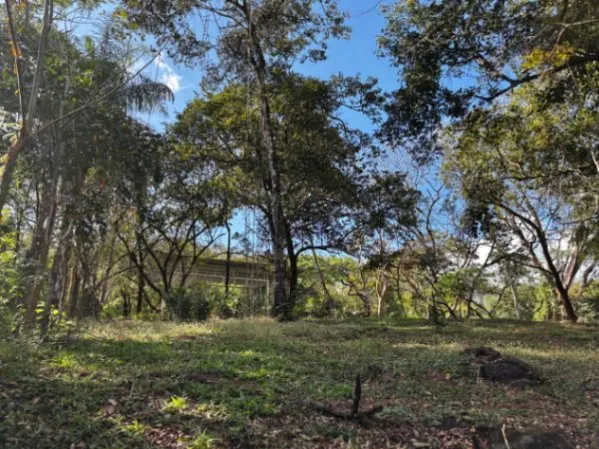
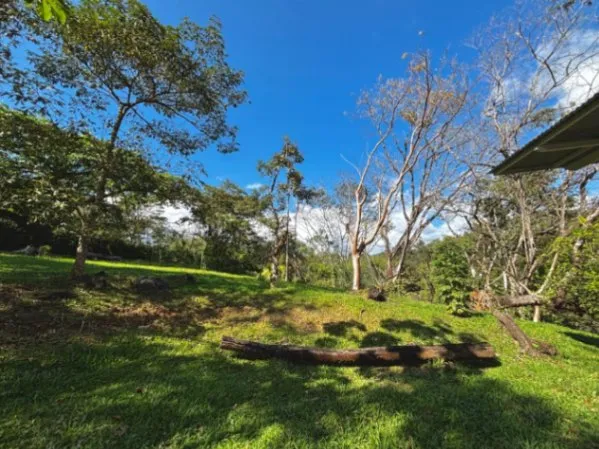
San Pedro is the second district of the canton of Turrubares, in a non-coastal, inland setting. Its neighbors include districts of Turrubares and of the canton of Puriscal, so it sits in a mostly rural part of the province. The listings in the pack are houses, lots and land, and farms, which points to residential and agricultural use rather than commercial.
Before moving, check the things a map does not show: how reliable water service is at the specific property, how the access road is maintained in the rainy season, noise levels at different hours, and how far you are from everyday services.
Cost of living
Housing is the main driver of costs in San Pedro, followed by getting around. In a rural inland district, daily transport often means owning a vehicle or planning trips to the canton seat, so fuel and maintenance belong in the budget.
Add utilities such as electricity, water and internet, which can vary by property. If you buy, include the annual property tax and the registry and notary costs. If the property is part of a condominium, ask about monthly fees. When there are enough listings, this page shows above the typical rent and purchase figures for the area.
Lifestyle
The pack describes a rural, inland district with farms and lots among the property types, so daily life likely centers on the home, the land and short local trips. Errands that need larger stores, offices or municipal services usually mean going to the canton seat, which is close by in a straight line.
People who want quiet and space tend to look at places like this. Those who depend on frequent public transport, dining out or nightlife should visit first and see how a normal week would work.
Climate and nature
San Pedro is not coastal. Like most of central Costa Rica, it has a dry season from roughly December to April and a rainy season for the rest of the year, with the heaviest rain usually in the later months. Slopes facing the Pacific tend to be drier than those facing the Caribbean, but local elevation and exposure change conditions from one property to the next.
The listings include farms and lots, so ask about drainage, slope and how the land handles heavy rain.
Economy and opportunities
The economy of this part of the country has traditionally relied on farming and livestock, with services and some tourism in nearby towns. Local jobs are mostly tied to the land and small businesses, and the local authority is the Municipalidad de Turrubares.
Being roughly a day-trip distance from San José and the main international airport means that some people commute or work in the metro area, while remote workers may use the location for a quieter base. Check internet options and road conditions before counting on either.
Accessibility and location
San Pedro is district number 2 of the canton of Turrubares, in the province of San José. Its postal code is 11602 and it covers 39.2 km² (15.1 sq mi).
It borders Mercedes Sur (canton of Puriscal), Grifo Alto (canton of Puriscal), San Pablo, San Juan de Mata and San Luis. In a straight line, it is 3.6 km (2.2 mi) from San Pablo, the canton seat, 42.2 km (26.2 mi) from downtown San José and 29.5 km (18.3 mi) from Juan Santamaría International Airport (SJO).
The official villages, from Costa Rica's official territorial division (Decree 44882-MGP), are Alto Limón, Florecilla, Limón, Palmar, Pita and Villa Colina. Real travel time depends on the hour and the road.
History
San Pedro is a district of Turrubares, San José, Costa Rica, with a history that dates back to the colonial era. Founded in 1834, it has evolved from a small agricultural community into a cultural center. Its population has grown, driven by the development of agriculture and the arrival of new residents seeking a peaceful lifestyle.
Local traditions, such as the festivities of the Virgin of the Immaculate Conception, reflect its cultural roots and sense of community. Today, San Pedro combines the natural landscapes with modern life.
Tips
Drive the daily commute at different hours, including early morning and late afternoon, and in both dry and rainy conditions if you can. Ask the owner or agent about water supply, electricity and internet at the specific property, and request recent bills so you can see real usage.
If you rent, insist on a written lease under Costa Rica's General Law of Urban and Suburban Leases, Law 7527. If you buy, have a lawyer check the title at the National Registry. You can also save listings in the zone on Anuntico to compare options over time.
In summary
Living in San Pedro, Turrubares, San José, Costa Rica, is an ideal choice for those looking to establish their home or invest, thanks to its natural and tranquil environment, which offers a relaxed and healthy lifestyle. San Pedro is a rural, inland district of Turrubares where the listed properties are houses, lots and farms. It makes the most sense for buyers who want space and a quiet setting and who are comfortable with errands in the canton seat and trips to the capital area. Visit at different times of day and season before deciding.