


Tips for assessing the financial viability of your new home
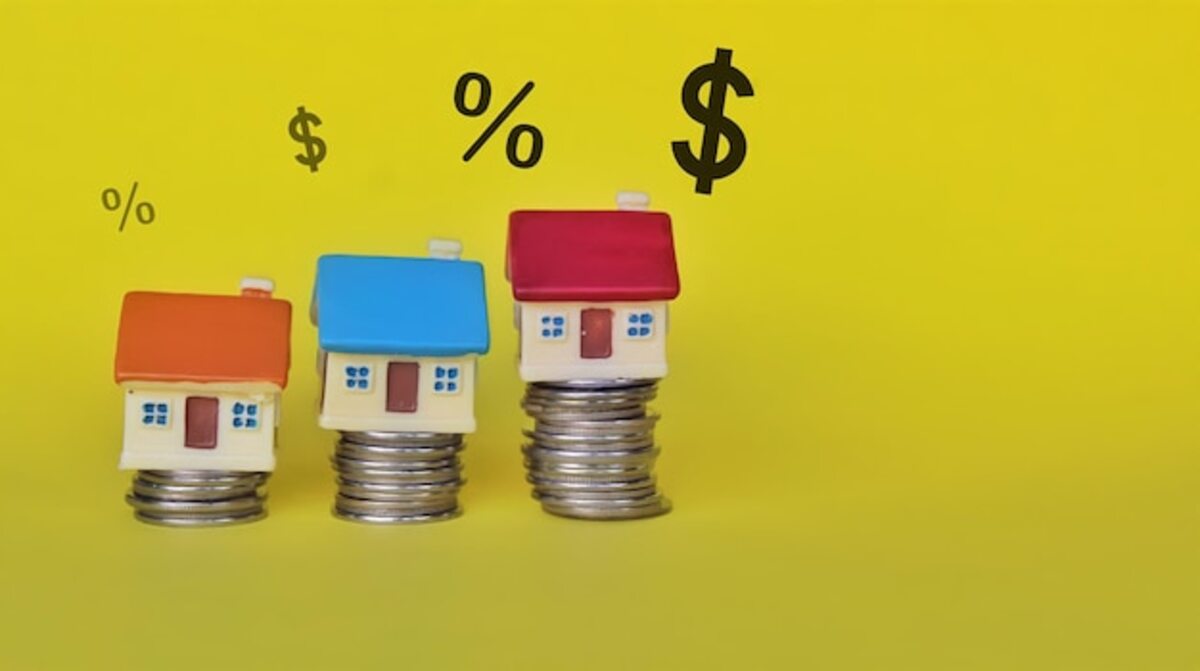
Evaluating the financial viability of your new home is essential to avoid unpleasant surprises in the future. In this article, we will provide you with practical and strategic advice that will help you make informed decisions about your investment. From calculating your monthly costs to understanding the long-term impact of your purchase, you will discover how to ensure that your new home is not only a refuge but also a smart financial decision. Get ready to lay the foundation for a prosperous and secure future.
Understand the total cost of ownership: beyond the purchase price.
When considering the purchase of a home, it is essential to look beyond the purchase price and analyze the total cost of ownership. This concept encompasses not only the initial outlay but also all associated expenses that will arise over time, including taxes, insurance, maintenance, and utilities. For example, you may find a house at an attractive price, but if it is located in an area with high taxes or requires costly repairs, the actual cost could exceed your original budget. Taking the time to calculate these expenses will give you a clear view of what owning a home truly entails.
In addition to the mentioned costs, it is important to consider other factors such as the depreciation of the property and potential appreciation. Location can significantly influence these aspects; developing areas may offer a good long-term return on investment, while stagnant zones may not be as profitable. Opportunity cost must also be taken into account: the money invested in purchasing a home could have been used for other potentially more lucrative investments. By understanding all these elements, you will be able to make more informed decisions aligned with your long-term financial goals.
Advertisements
Set a realistic budget: how much can you afford?
Establishing a realistic budget is one of the most crucial steps when evaluating the financial viability of your new home. Before diving into the exciting search for your ideal home, it is essential to analyze your personal finances and determine how much you can afford to spend. This includes not only the sale price of the property but also other associated expenses such as taxes, insurance, maintenance, and closing costs. By having a clear view of your monthly income and expenses, you will be able to set a limit that allows you to buy without compromising your financial stability.
It is also advisable to consider an additional margin in your budget for unforeseen expenses. Buying a home can bring unexpected costs, from repairs to changes in interest rates. By establishing a budget that accounts for these possible scenarios, you ensure not only that you can comfortably manage monthly payments but also fully enjoy the process without the pressure of financial stress. Remember that investing in a new home should be a long-term sustainable decision; therefore, having clarity about your financial limits will help you make better choices and avoid unpleasant surprises in the future.
Consider additional expenses: taxes, maintenance, and services.
When evaluating the financial viability of your new home, it is crucial to consider the additional expenses that go beyond the purchase price. Property taxes are a recurring cost that can vary significantly depending on the location and the assessed value of your property. It is advisable to research local tax rates and, if possible, request a projection of how they may change over time. This will give you a clear understanding of the impact these taxes will have on your annual budget and help avoid unpleasant surprises when it comes time to pay.
In addition to taxes, you should not overlook the costs associated with maintenance and utilities. Homes require regular investments in repairs, cleaning, and improvements to maintain their value and functionality. For example, garden maintenance, electrical systems, or plumbing can add up quickly if not planned properly. Likewise, consider the monthly expenses for services such as water, electricity, gas, and internet; these can vary depending on the size of the home and your consumption habits. By adding all these factors to the total cost of acquiring a home, you will be able to make more informed decisions that ensure a sustainable long-term investment.
Evaluate financing options: mortgages and interest rates.
When considering the purchase of a new home, it is essential to evaluate the available financing options, especially mortgages and interest rates. There are various types of loans that cater to different financial needs, such as fixed and variable mortgages. Fixed-rate mortgages offer the stability of constant payments throughout the life of the loan, which facilitates long-term financial planning. On the other hand, variable-rate mortgages may offer lower initial rates but come with the risk of fluctuations in monthly payments as market interest rates change. It is crucial to research and compare these options to find the one that best fits your financial situation.
In addition to choosing the right type of mortgage, it is crucial to pay attention to interest rates. These represent the actual cost of borrowed money and can vary significantly among different lenders. A small change in the rate can translate into thousands of dollars over time, affecting both your monthly payments and the total paid at the end of the loan. Therefore, it is advisable to obtain quotes from multiple financial institutions and consider not only the rate itself but also the associated costs such as fees and insurance. By understanding how these elements work, you will be able to make more informed decisions that help you secure solid and sustainable financing for your new home.
Analyze the local real estate market: trends and projections.
Analyzing the local real estate market is a crucial step in assessing the financial viability of your new home. Market trends can vary significantly from one region to another, and understanding them will allow you to make more informed decisions. For example, if there is an increase in demand for homes in your area due to new developments or improvements in infrastructure, this could drive prices up and make your investment grow over time. On the other hand, if the market shows signs of slowing down or excessive supply, you could be facing a greater risk when it comes time to resell. Additionally, paying attention to market projections will allow you to anticipate changes that could affect your decision. This includes analyzing factors such as mortgage interest rates, the local economy, and government policies that impact the real estate sector. Researching reports and studies on market behavior can provide you with a clear insight into when is the best time to buy and how your property's value might evolve in the coming years. In summary, having a good understanding of the real estate context will not only help you make smarter decisions today but also ensure that your home is a solid long-term investment.
Think about the appreciation: potential for property growth.
When considering the revaluation of a property, it is crucial to analyze its long-term growth potential. Factors such as location, urban development, and market trends can significantly influence the future value of your home. For example, if the property is located in an area with infrastructure plans or community improvements, its value is likely to increase over time. Researching planned projects in the area can provide you with a clear insight into how your investment might grow and help you make more informed decisions when buying. Additionally, it is important to evaluate comparables in the market; observing how the prices of similar properties have fluctuated will give you an idea of the potential revaluation. You should not only focus on current trends but also on demographic and economic factors that may affect demand in the future. A thorough analysis of the economic and social environment can be the key to ensuring that your new home not only meets your current needs but also becomes a valuable asset as the years go by.
Conduct financial simulations: tools for long-term planning.
When assessing the financial viability of your new home, it is essential to conduct financial simulations that allow you to visualize different long-term scenarios. These tools will help you project not only the immediate costs associated with the purchase, such as the down payment and mortgages, but also other recurring expenses like taxes, maintenance, and insurance. By using specialized software or online calculators, you can explore how variations in interest rates or changes in your income could affect your ability to meet monthly payments and maintain your lifestyle.
Additionally, financial simulations not only focus on expenses; they can also help you consider the potential appreciation of the property's value and its impact on your net worth over time. By analyzing different variables—such as real estate market growth and possible improvements you can make to the home—you will be able to make more informed decisions about whether this is the right time to buy. Ultimately, incorporating these tools into your evaluation process will allow you to approach the purchase of your new home with a clear and strategic perspective, ensuring that each step is aligned with your long-term financial goals.
Advertisements
More in Housing Costs

Finance and Planning, Housing Costs
Where US$100,000 buys a lot in Guanacaste

Finance and Planning, Housing Costs
Where US$200,000 buys a house in Alajuela
Finance and Planning, Housing Costs
Essential tips for evaluating the investment in your new home

Finance and Planning, Housing Costs
Where US$100,000 buys a lot in Heredia
Most viewed in Finance and Planning

Finance and Planning, Mortgage Loans
Keys to negotiate better terms on your mortgage

Finance and Planning, Taxes and Expenses
What buying a house costs on top of the price in Costa Rica
Finance and Planning, Housing Costs
Where US$100,000 buys a lot in Guanacaste

Finance and Planning, Financial Planning
Dollars or colones: where colón buyers face less competition