


How to rent out your house in Costa Rica as an owner
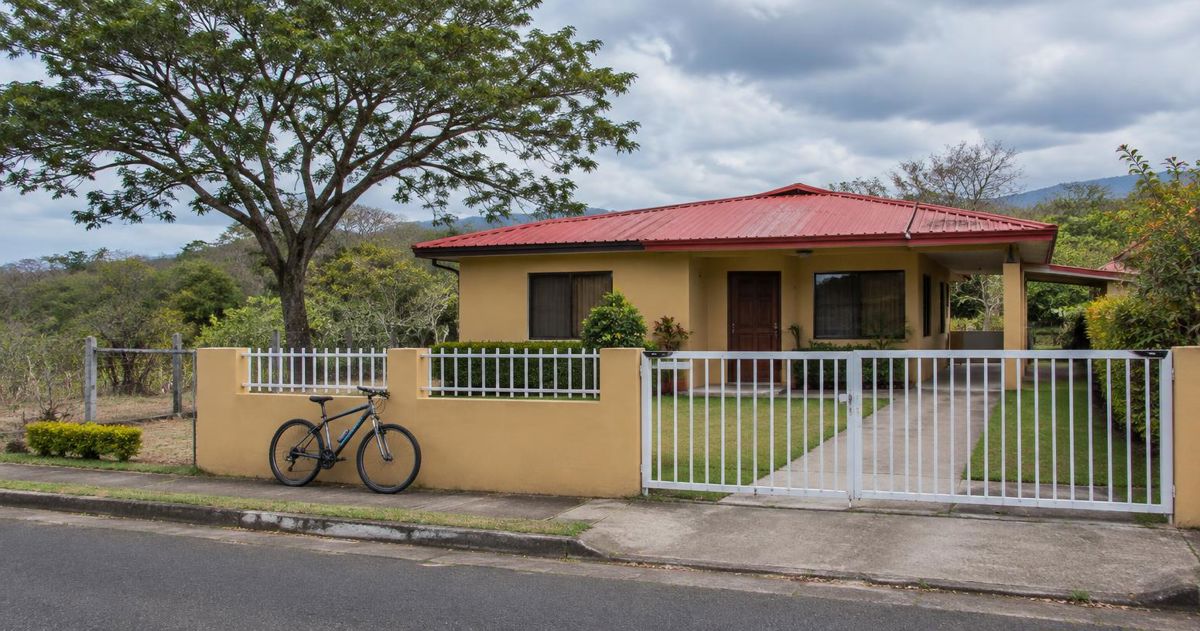
Renting out your house in Costa Rica is more than setting a price and handing over the keys: you sign a lease that lasts years and is governed by the Ley General de Arrendamientos Urbanos y Suburbanos (Law 7527). This guide answers, from the owner's side, what to charge, how to choose a tenant, which guarantee to ask for, what goes in the lease, how rent is adjusted, which repairs are yours and what to do if the tenant does not pay.
How do you start and what should you charge for your house?
| Type | Median | Typical range | Listings |
|---|---|---|---|
| Houses | US$1,800 | US$1,304 – US$2,700 | 1,206 |
| Apartments | US$1,196 | US$950 – US$1,400 | 1,870 |
The first step is not the listing but the house. Before publishing, check the roof, the plumbing, the wiring and the doors, because whatever is damaged today will be a repair that falls on you tomorrow, with the tenant inside. Also decide what the price includes (water, condominium fees, internet) and which currency you will charge in, a decision that weighs on the annual adjustment, as explained below.
- Check the condition of the house and complete any pending repairs.
- Set the price, the currency and which services the rent includes.
- Publish the listing with clear photos and an honest description.
- Screen applicants and ask for references from their previous landlord.
- Sign a written lease and hand over the house with a photo inventory.
To set the price, the table in this section shows the monthly rent being asked this month for houses and apartments across the country, so you can place your house within those ranges according to its size and area. Then compare it with listings similar to yours among the homes for rent in Costa Rica: same canton, same number of bedrooms, parking and yard. Remember these are asking prices in listings, not signed rents: a house that stays listed for several weeks is usually priced above what applicants are willing to pay.
The guide on how much it costs to rent a house in Costa Rica runs the same numbers from the other side, that of the person searching, and helps you understand what an applicant compares before calling you. If you are still torn between renting and selling, the property value estimator gives you a reference for what the house is worth. Once the price is set, you can list your property on Anuntico with clear photos of each room and an honest description of what the rent includes.
How do you choose a tenant and which guarantee should you ask for?
Choosing the right tenant is the owner's most important decision, because the lease does not end whenever you want: the law sets a minimum term, as the lease section explains. Ask every applicant for their ID card or passport, a salary certificate or other proof of income and the contact details of their previous landlord. Call that landlord and ask whether they paid on time and in what condition they returned the house.
During the viewing, notice how the applicant treats the house, how many people will live there and whether they have pets, and put whatever you agree in writing. The prudent approach is to compare the rent with the income the applicant can prove and to be wary of anyone who will not give references or insists on moving in right away without signing. Apply the same criteria to every applicant and write them down: they help you decide and explain your decision.
On the guarantee, Article 59 of Law 7527 provides that any guarantee attached to a lease, whatever its nature, answers for the rent and for every other obligation arising from the law or the contract, unless expressly agreed otherwise. In practice, the guarantee is usually a cash deposit or a guarantor; write in the lease which one it is, its amount, what it covers and when and how it is returned. This guide does not cite a rule on the size of the deposit: if in doubt, consult a lawyer or notary.
Keep the guarantee separate from rent paid in advance. Under Article 58 of that law, rent is paid monthly unless otherwise agreed, and in a residential lease the landlord cannot demand more than one month's rent in advance.
What should the lease you sign say?
The first thing to know is that the law applies even if the lease does not mention it. Under articles 2, 3 and 4 of Law 7527, that law governs every lease of real property, oral or written; it is a public-order law and the rights it gives tenants cannot be waived, so a clause that contradicts its mandatory rules is treated as unwritten. An oral agreement also falls under the law, but in writing you can prove what you agreed.
The term is the clause that most surprises owners. Article 70 of Law 7527 says a lease cannot last less than 3 years: if it sets a shorter term or none at all, it is deemed agreed for 3 years, counted from the day the tenant receives the property. And under Article 71 of that law, if you do not notify the tenant, at least 3 months before the term ends, that you will not renew, the lease is extended for a new 3-year period on the same terms.
The tenant, on the other hand, has a way out: unless otherwise agreed in writing, Article 72 of that law lets the tenant end the lease by giving the landlord 3 months' notice, without changing the other obligations the lease created. Mark in your calendar the expiry date and the deadline to give notice if you do not want to renew.
| Clause | What to write |
|---|---|
| Parties | Name and ID number of the owner and the tenant |
| The house | Address, property registry number and what is handed over with it |
| Term | Start and end dates, with a minimum of 3 years |
| Price and currency | Monthly amount, currency and which services it includes |
| Payment | Payment day, payment method and account for deposits |
| Guarantee | Type, amount, what it covers and how it is returned |
| Repairs | What each party handles, under the law and the agreement |
| Inventory | List with photos of the house's condition at handover |
To review the text clause by clause, including the ones that are void even when signed, see the guide on the rental agreement in Costa Rica and what it must say. The prudent step is to have a lawyer or notary read it before you sign.
How much can you raise the rent each year?
The answer depends on the currency in which you agreed the rent. In a residential lease in colones, Article 67 of Law 7527 provides that the rent is updated at the end of each year of the contract: if inflation over the previous 12 months was 10% or less, the landlord may raise it by up to that same inflation rate, measured with INEC's consumer price index, unless there is an agreement more favourable to the tenant.
If you agreed the rent in a foreign currency, for example US dollars, the same Article 67 provides that the agreed amount stays the same for the whole term of the contract, with no right to an increase. Charging in dollars protects you from the exchange rate but takes away the annual increase; charging in colones gives you that increase, tied to inflation. This guide does not cover inflation above 10%: if it happens, consult a lawyer before setting the increase.
In practice, when each year of the contract is completed, send the tenant a written notice with the inflation rate published by INEC, the new amount and the date from which it applies. Keep a copy: if there is a disagreement later, that notice is your record.
Which repairs are yours and when can you enter the house?
As the owner, under articles 33 and 34 of Law 7527, you must carry out, without raising the rent for it, the repairs needed to keep the property in good condition, including wear from use or the passage of time unless otherwise agreed, except where the damage is the tenant's fault or the law or the contract assigns that repair to the tenant. A roof that leaks with age, unless agreed otherwise, is yours to fix.
On the other side, articles 47 and 50 of that law provide that the tenant must keep the property in good condition, is liable for damage caused by his own fault or negligence or that of the people who live with him or visit him, and must repair the damage caused by people who live in or visit the property. The photo inventory you both signed at the start is what lets you tell normal wear from damage. The guide on tenant rights and duties in Costa Rica explains these rules from the renter's side.
| Situation | Who handles it |
|---|---|
| Roof leak from the passage of time | The owner, unless agreed otherwise |
| Paint worn by normal use | The owner, unless agreed otherwise |
| Door broken through the tenant's carelessness | The tenant |
| Window broken by the tenant's visitor | The tenant |
| Repair the lease assigns to the tenant | The tenant |
On visits, Article 51 of Law 7527 allows the landlord to inspect the home once a month, or when circumstances warrant it, during daytime hours and in the presence of the tenant or another adult who is in the house. If the tenant refuses after 2 formal notices, the landlord may seek termination of the lease. The prudent approach is to announce the visit in writing in advance and never to enter without someone inside.
What should you do if the tenant does not pay or a dispute arises?
A delay of a few days is not yet a breach. Article 58 of Law 7527 lets the tenant pay within 7 calendar days after each period falls due, so ask for payment after that period and in writing, stating the date and the amount owed. A clear message and a concrete date often solve the problem.
If the delay continues, the route is through the courts. Under articles 114 and 121 of Law 7527, the landlord may ask, through eviction proceedings (desahucio), for the lease to be terminated if the tenant fails to pay rent, does not keep the property in good condition, changes its use, refuses inspection or uses it abusively, among other grounds. The prudent approach is not to act on your own, such as changing the lock, and to see a lawyer. The guide on how a lease ends and when an eviction applies explains the process.
The most common disputes never reach a court: noise, pets that were not in the agreement, visitors who move in, repeated late payments or minor damage. The practical rule is the same for all of them: talk first, confirm in writing what you agreed and keep every message. If the problem is damage, compare it with the initial inventory; if it is a use other than the one agreed, check what the lease says before making a claim.
What we would do before renting out your house
- We would inspect the house thoroughly and complete pending repairs before listing, so as not to inherit them with the tenant inside.
- We would set the price using the month's rent table and similar listings, and adjust it if the house gets no inquiries in the first weeks.
- We would choose the currency carefully: colones with an annual adjustment tied to inflation, or dollars with no increase for the whole term.
- We would ask for references from the previous landlord and a written guarantee that states what it covers and how it is returned.
- We would sign a written lease with an inventory and photos, and note the deadline to give notice if we do not want to renew.
Frequently asked questions
Is it better to rent out on your own or with a real estate agent?
It depends on your time and on how far you are from the house. On your own, you publish, take calls, show the house, check references and sign; you save the commission but take on all the work and every decision. With an agent, someone screens applicants and arranges viewings, which helps if you live far away or abroad. If you prefer to delegate, you can sell or rent with an expert; either way, read the lease before signing it, because you sign it as the owner.
Can you charge the rent in dollars?
As explained in the adjustment section, if the rent for a home was agreed in a foreign currency, for example US dollars, the agreed amount stays the same for the whole term of the contract, with no right to an increase. In colones, by contrast, the rent is updated at the end of each year of the contract under the inflation rule of Article 67. Choose according to what matters more to you: stability against the exchange rate or an annual increase. If in doubt, consult a lawyer or notary.
What happens if the tenant wants to leave before the lease ends?
As seen in the lease section, unless otherwise agreed in writing, the tenant may end the lease by giving you 3 months' notice, and that does not change the other obligations the lease created. That is why it pays to check the house against the inventory before it is handed back and to put in writing what happens to the guarantee. If the tenant leaves without notice or leaves debts, consult a lawyer or notary before acting.
This guide summarizes residential renting practice in Costa Rica from the owner's side and the articles of Law 7527 cited in each section. It does not replace the advice of a lawyer or notary, who can review your lease and your case before you sign or make a claim.
Most viewed in Property Owners

Property Owners, Selling a property
What the seller pays when selling a house in Costa Rica

Property Owners, Selling a property
How to sell your house fast in Costa Rica: an owner's guide

Property Owners, Selling a property
What your house is worth in Costa Rica and how to estimate it

Property Owners, Selling a property
Selling your lot or land: papers, price and listing