


How to sell your house fast in Costa Rica: an owner's guide
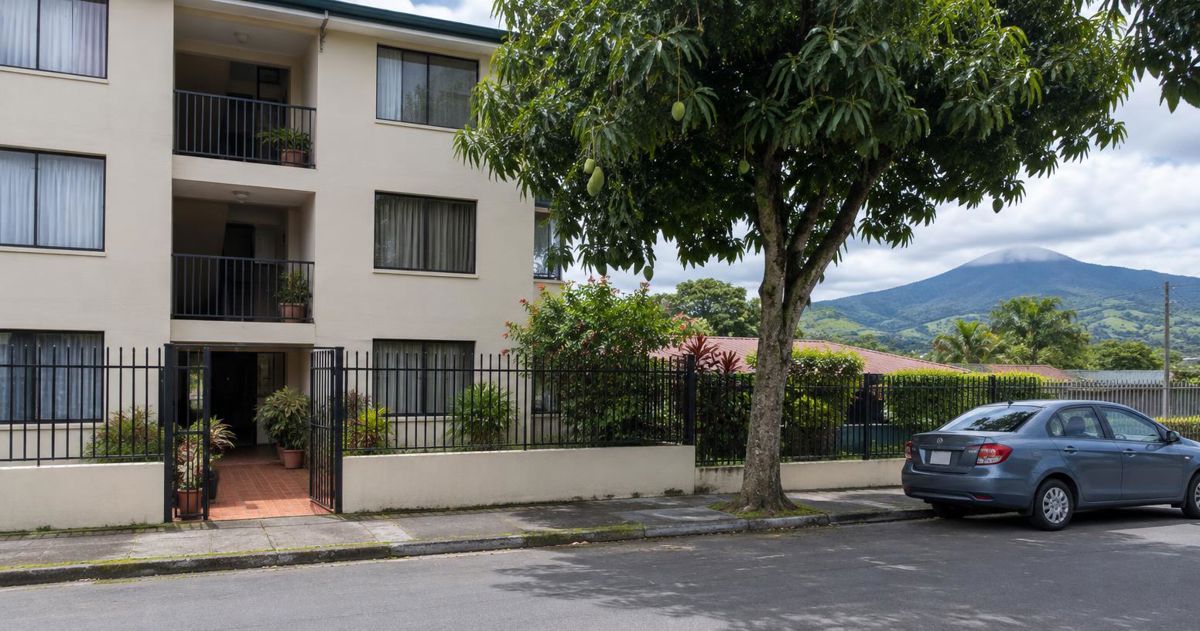
This guide is for the owner who wants to sell a house in Costa Rica without the listing sitting on screen for months. Nobody can promise you a timeframe, but we do know what shortens a sale: a price in line with the area, good photos, a complete listing, papers in order and answering enquiries quickly. At the end we explain what an agent does if you would rather not do it alone.
What price should you ask so your house is not left waiting?
| Type | Median | Typical range | Price per built m² | Listings |
|---|---|---|---|---|
| Houses | US$285k | US$190k – US$480k | US$1,271 | 8,495 |
| Apartments | US$190k | US$145k – US$290k | US$2,049 | 2,618 |
What shortens a sale most is the price. A buyer in Costa Rica compares: before writing to you, they have already seen similar houses in your canton and know what is being asked for them. The table in this section shows the prices asked this month for houses and apartments for sale across the country; use it as a starting point, not as an appraisal. The breakdown by province, canton and district is on the page of home prices in Costa Rica, where you can find the exact area of your house.
To fine-tune what yours is worth, Anuntico's property value estimator gives you a reference based on comparable listings. Then look for three or four houses of similar size, condition and location among the homes for sale in Costa Rica and place yours honestly: if it has less land, less parking or needs repairs, its price should sit below theirs. Remember these are asking prices in listings, not closed sale prices; the final price comes out of the negotiation.
Why does a house with a high price take longer? Because buyers search by amount: a house that is expensive for its area drops out of the searches of those who could buy it and, within the range where it does appear, competes with better houses. The first enquiries arrive while the listing is new; if the price drives those first buyers away, it usually has to come down later, and an old listing that cuts its price raises the question of what is wrong with the house. It pays to start with a reasonable price and a small margin to negotiate. The guide to negotiating a house price explains how the buyer sees it.
What photos and what text does a good listing need?
The buyer decides whether to write to you by looking at the photos. Take them in daylight, with the curtains open and the lights on, holding your phone horizontally at chest height. Tidy up first: clear the surfaces, put away clothes and dishes, cut the grass and sweep the porch. The small improvements that show the most, such as fresh paint, a door that closes properly or a spotless bathroom, are explained in which improvements raise a home's value in Costa Rica. These are the photos you should not leave out:
- The full front of the house from the street
- The living and dining room, from a corner
- The kitchen, with clear surfaces
- Every bedroom and every bathroom
- The yard, the garden or the porch
- The parking space or garage, and the view or surroundings if they add value
A good listing answers questions before they are asked: price and currency, province, canton and district, land and building size in square metres, bedrooms, bathrooms, parking spaces, the condition of the house, whether it is in a condominium and what the fee is, which utilities it has and what is included. Add what sets your house apart, such as being near schools or buses, flat land or a large yard, without empty adjectives. If the house is rented or has a mortgage, say so from the start. An incomplete listing attracts enquiries that lead nowhere and takes up your time.
Once you have photos and text, you can list your property on Anuntico. Fill in every field: buyers filter by them, and an empty field can drop your house from the results that person is looking at.
Which papers should be in order before you list?
Many sales are delayed not for lack of a buyer but because of paperwork. Review it before you list, not once you already have an offer. This is what the notary and the buyer usually ask for:
| Document | What it is for |
|---|---|
| Full certificate from the National Registry | Shows who the owner is and whether there are mortgages, liens or notes |
| Cadastral survey plan | Confirms the size and location of the land |
| Paid-up property tax receipt | Shows there are no municipal debts on the property |
| Water and electricity bills | Show the utilities are paid up |
| Administrator's certificate, if it is a condominium | Proves the fees are paid up |
| Lease, if the house is rented | Tells the buyer which tenant they take on and on what terms |
| Valid ID of the seller | The notary asks for it for the deed |
Two of those papers have a specific legal basis. If you sell a condominium unit, article 21 of the Condominium Property Law (Law 7933) requires you to give the notary a certificate from the administrator that the fees are paid up; if they are in arrears, the buyer becomes jointly liable for the certified amount, though they may recover from you what they have to pay for it. In addition, under article 450 of the Código Civil, to record the sale in the Registry the title must be in a public deed or another authentic document authorised by law. The guide on the property deed in Costa Rica explains the transfer.
What if the house still has a mortgage? In practice it can be sold: the usual route is to ask the bank for the payoff balance and arrange with the buyer and the notary for part of the payment to go to paying off the debt at signing, or for the buyer to take over the loan if the bank agrees. Talk to your bank before you list. On costs, article 68 of the fee schedule for legal and notarial services (Decreto Ejecutivo 41457-JP) states that the cancellation of mortgages is paid by the debtor, which in this case is you.
What if it is rented? It can be sold as well. Article 75 of the Ley General de Arrendamientos Urbanos y Suburbanos (Law 7527) states that, if someone buys a rented property, the lease stays in force, and the tenant pays the rent to the new owner once the new owner notifies them of the transfer by handing over the certificate that proves it. That is why it pays to say so in the listing: some buyers look for a house with a tenant and others want it to live in. Give the tenant notice in good time and agree with them how viewings will work.
How should you handle enquiries and organise viewings?
Answering quickly is one of the few things that depends only on you. Someone who writes about one house usually writes about several at once, and the first clear answer usually wins the viewing. Keep a reply ready with the basic details and answer the same day; if you cannot take calls during working hours, say so in the listing and offer specific times. A simple routine helps:
- Answer the enquiry with the price, the general location and your availability for viewings.
- Before booking, ask whether they are buying to live in or to invest and whether they would buy with a loan or in cash.
- Group viewings on the same day, in natural light, and confirm the appointment shortly before.
- Prepare the house: tidy, aired, with the windows open and the lights on.
- Show the house without pressure and keep copies of the papers for anyone who asks.
- After the viewing, write to clear up any doubts and note what the person said about the price.
For safety, do not give the exact address until the appointment is confirmed, try to have someone else in the house and put away valuables and documents. Feedback from viewings is useful information: if several people say the same thing about the price or the condition of the house, it is worth reviewing before you keep waiting.
What do you sign with the buyer and who pays for the transfer?
Once there is agreement, the usual step is to sign a promise to sell first and the deed later. Under articles 1053, 1054 and 1055 of that same code, an accepted promise to sell gives the right to require that the sale be carried out; ownership passes on the day of the sale and not on the day of the promise, and if performance is not sued for within one month from when it becomes due, the promise lapses. That is why the promise should state clearly the date and conditions for signing the deed.
The buyer often hands over money as earnest money (señal or arras) when signing the promise. Article 1058 of the Código Civil says that money is always deemed paid on account of the price and as ratification of the contract, and that neither party may back out by forfeiting it unless that was expressly agreed. If you and the buyer want something different, it must be in writing. The guide purchase agreement, promise or option: what to sign first compares the contracts.
On costs, article 6 of the Real Estate Transfer Tax Law (Law 6999) says the transfer tax is owed by seller and buyer in equal parts, as jointly liable parties, except in a court auction or a transfer in payment of a debt. And article 68 of that fee schedule states that, unless the parties agree otherwise or a legal provision says otherwise, the notary's fees, duties, stamps and taxes on the contract are paid in equal parts. If you agree on a different split of those costs, put it in writing.
| Cost | Who pays it | Source |
|---|---|---|
| Transfer tax | Seller and buyer in equal parts | Law 6999, article 6 |
| Notary fees, duties and stamps | Equal parts, unless agreed otherwise | Decreto 41457-JP, article 68 |
| Cancellation of the seller's mortgage | The debtor | Decreto 41457-JP, article 68 |
| Creation of the buyer's mortgage | The debtor | Decreto 41457-JP, article 68 |
Knowing the costs on the other side helps you understand the offer you receive: the guide on what buying a house costs on top of the price in Costa Rica details what the buyer has to raise besides the price.
Sell on your own or with an agent?
Selling on your own saves you the commission, but everything falls to you: the price, the photos, the listing, the replies, the viewings, telling the curious from real buyers and coordinating with the notary. It works well if you have time, live near the house and are willing to answer enquiries at any reasonable hour.
A real estate agent does that work: proposes a price based on the sales they know in the area, takes or commissions the photos, lists the house, handles enquiries, screens buyers, shows the house and stays with the negotiation until signing before the notary. In return they charge a commission that is best agreed in advance and in writing, together with the length of the agreement and whether it is exclusive. Ask how they will promote the house and how often they will report to you. The guide agent, lawyer or notary: who does what when buying a home sets out the role of each.
If you would rather not do it alone, on Anuntico you can sell or rent with an expert: you say what you need and agents from your area send you their proposals, free and with no commitment; you decide who to work with. With or without an agent, what decides the sale is the same: price, presentation, papers and response.
What we would do before listing the house
- We would set the price by comparing with similar houses listed today and with the estimator, leaving a small margin to negotiate.
- We would take the photos on a clear day, after tidying up and fixing the small details.
- We would fill in every field of the listing and say from the start if there is a condominium fee, a tenant or a mortgage.
- We would request the Registry certificate, the survey plan and the paid-up receipts before the first viewing, and talk to the bank if there is a mortgage.
- We would answer every enquiry the same day and put the earnest money and the split of costs in writing in the promise.
Frequently asked questions
How do you sell a house fast in Costa Rica?
Nobody can guarantee you a timeframe, but what shortens a sale most is starting with a price in line with what is asked for similar houses in your area. Add clear photos in natural light, a listing with every detail, papers gathered before the first viewing and same-day replies to anyone who writes. If one of those pieces fails, the buyer moves on to the next house on their list.
Can I sell my house if it still has a mortgage?
In practice, yes. The usual route is to ask the bank for the balance, and arrange with the buyer and the notary for part of the payment to pay off the debt at signing, or for the buyer to take over the loan if the bank agrees. As explained above, the cancellation of the mortgage is paid by the debtor. Before listing, check with your bank and a notary how it will work in your case.
Can I sell a house that is rented?
Yes. As explained in the papers section, the lease stays in force with the new owner, and the tenant pays the new owner once notified of the transfer with the certificate that proves it. Say so in the listing and keep the lease at hand, because the buyer will want to know which tenant they take on and on what terms.
How much is my house worth?
A first reference comes from the property value estimator and from the asking-price table in this guide. Then compare with three or four houses listed today in your canton that are similar in size, condition and location, and adjust for what yours has more or less of. If you need a formal figure, for example for the buyer's loan, confirm with a lawyer or a notary who can provide it.
This guide summarises the practice of selling a house in Costa Rica as of November 2026 and does not replace the advice of a lawyer or a notary, who should review your case before you sign a promise to sell or a deed.
More in Selling a property
Most viewed in Property Owners
Property Owners, Renting out your property
How to rent out your house in Costa Rica as an owner
Property Owners, Selling a property
What the seller pays when selling a house in Costa Rica
Property Owners, Selling a property
What your house is worth in Costa Rica and how to estimate it
Property Owners, Selling a property
Selling your lot or land: papers, price and listing