

Quality of life
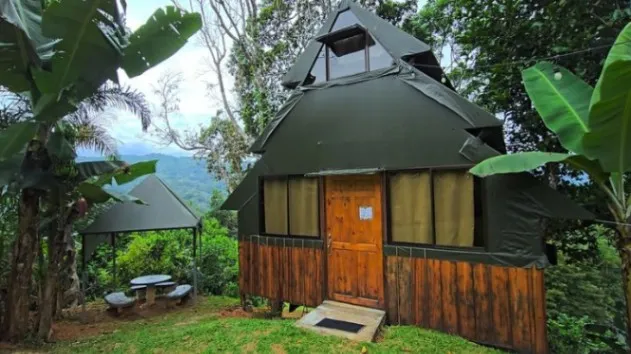
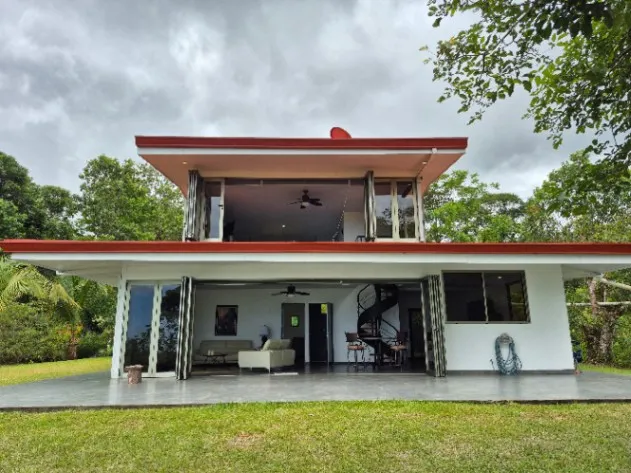
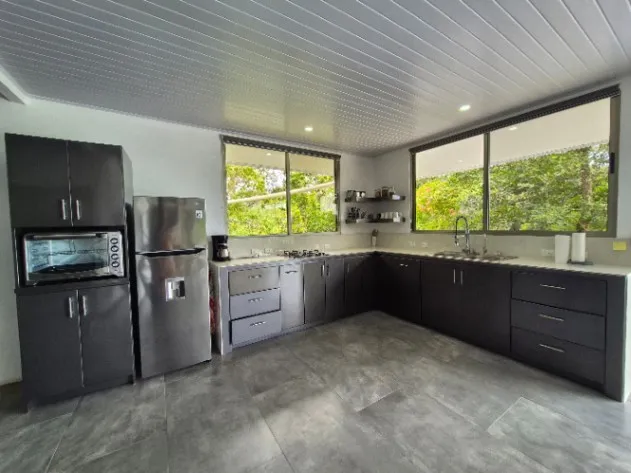
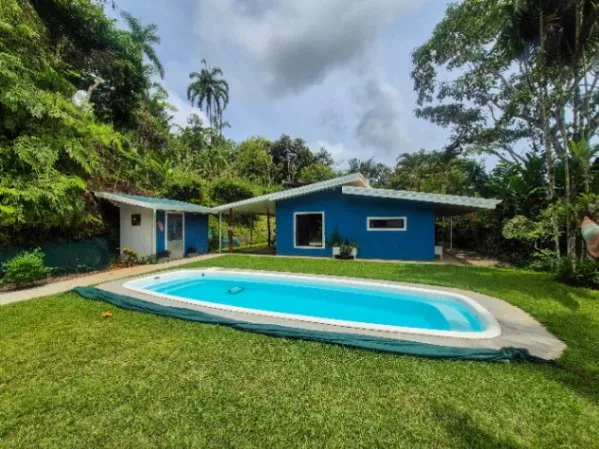
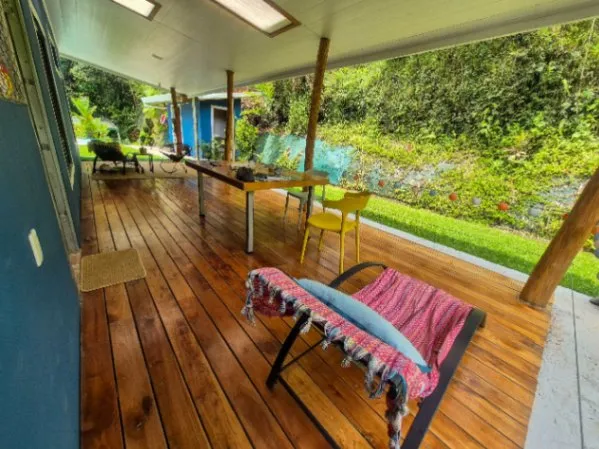
Barú is district number 9 of the canton of Pérez Zeledón, and it is inland, not coastal. Its district seat village is Platanillo. Listings here are for houses, lots and land, and farms, which points to a mix of rural homes and agricultural parcels rather than a dense urban center.
Before moving, check the practical details of the specific street or property: how reliable water service is, whether the access road is paved and passable in the rainy season, how much noise there is, and how far you will drive for shops, clinics and other services. These can differ a lot between villages in the same district.
Cost of living
Housing is the main cost driver here, whether you buy or rent, and it varies with the type of property: a house, a lot or a working farm. Beyond the price or rent itself, build a budget that includes electricity, water, internet and phone, plus daily transport, since living away from the canton seat usually means regular driving.
If you buy, add the annual property tax and the notary and registration costs. If the property sits in a gated community or condo, ask about monthly fees. When there are enough listings, this page shows above the typical rent and purchase figures for the zone.
Advertisements
Lifestyle
The pack describes Barú as a rural, inland district made up of many small villages, so daily life tends to be quieter and more spread out than in a city. Errands, banking and larger shopping usually mean a trip to the canton seat, San Isidro de El General, which is close enough to be part of a regular routine.
Expect to rely on a car or on local transport for most things. Neighbors in small villages often know each other, and the pace follows the working day of farming communities. Visit at different times of the week to see how the area really functions.
Climate and nature
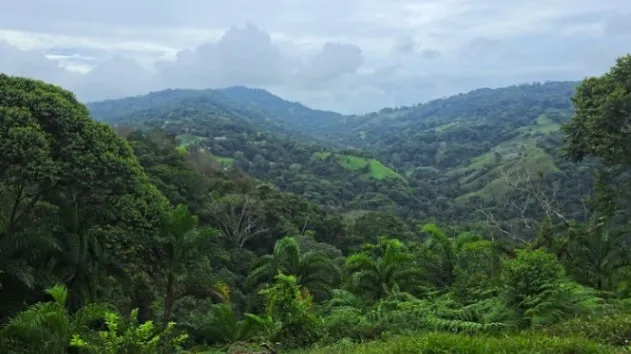
Barú is not on the coast, and it lies in the southern Pacific part of the country, where the year is divided into a dry season and a rainy season. In general, the dry months run from roughly December to April, and the rest of the year brings regular rain, often in the afternoons.
In Costa Rica, conditions change with elevation and slope: higher and mountain-facing areas tend to be cooler and wetter, while lower areas are warmer. Because the district covers a sizable territory, the weather can differ between its villages. If you are considering a farm or lot, ask about drainage, slopes and how the land behaves in heavy rain.
Economy and opportunities
The economy of this region is built mainly on farming, along with services tied to the canton seat and, in the wider Pacific south, tourism. The listing of farms and rural land in Barú fits that profile. Work in the district itself is likely to be agricultural, small business or home-based.
For jobs, study or specialized services, many residents look to San Isidro de El General. Being far from San José and the main international airport means that commuting to the metro area is not a daily option, so remote work, local business or farming are more realistic paths. Check internet quality at any property before relying on it for work.
Accessibility and location
Barú is district number 9 of the canton of Pérez Zeledón, in the province of San José. Its postal code is 11909 and its area is 189.3 km² (73.1 sq mi).
It borders the districts of San Isidro de El General, Río Nuevo, Bahía Ballena (canton of Osa) and Savegre (canton of Quepos).
In a straight line, it is 10.8 km (6.7 mi) from the canton seat, San Isidro de El General; 74.0 km (46.0 mi) from downtown San José; and 86.4 km (53.7 mi) from Juan Santamaría International Airport (SJO).
The official villages, from Costa Rica's official territorial division (Decree 44882-MGP), are: Alfombra, Alto Perla, Bajos, Bajos de Zapotal, Barú, Barucito, Cacao, Camarones, Cañablanca, Ceiba, Chontales and Farallas, among others. Real travel time depends on the hour and the road.
History
Barú, a district of Pérez Zeledón, San José, Costa Rica, has evolved significantly since its founding in 1880, when it began as an agricultural community. Over time, it became a cultural center where traditions such as the Fiesta de la Candelaria and the Fiesta del Maíz are celebrated, reflecting its indigenous and mestizo heritage. Its temperate climate and mountainous landscapes attract new residents seeking a more peaceful lifestyle connected to nature.
Tips
Drive the route you would make every day, at different hours, including early morning and evening, to see how the roads and traffic behave. Do it in the rainy season too if you can.
For any property, ask about the water source and connection, electricity and internet, and request recent bills. If you are renting, insist on a written lease under Costa Rica's General Law of Urban and Suburban Leases, Law 7527. If you buy, have the title checked at the National Registry. You can also save listings in the zone with Anuntico to compare options over time.
In summary
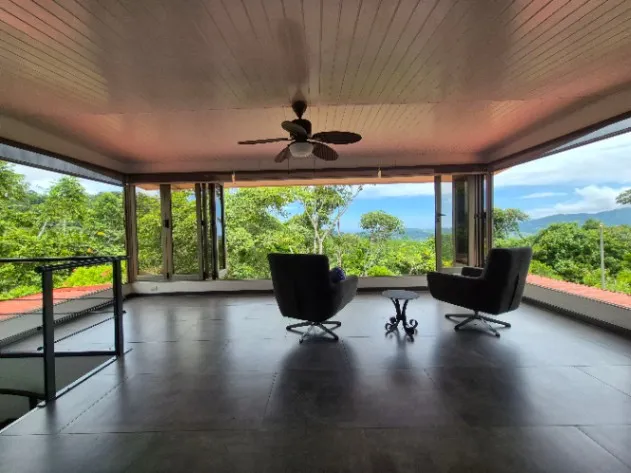
Living in Barú, Pérez Zeledón, San José, Costa Rica, is an ideal choice for those looking to establish their home or invest, thanks to its stunning natural surroundings and pleasant climate year-round. Barú is a rural, inland district of Pérez Zeledón made up of many small villages, where houses, lots and farms are what is listed. It makes most sense for buyers who want a quiet setting close to the canton seat and who are comfortable driving for services. Visit in both seasons and verify water, access and internet before deciding.