

Quality of life
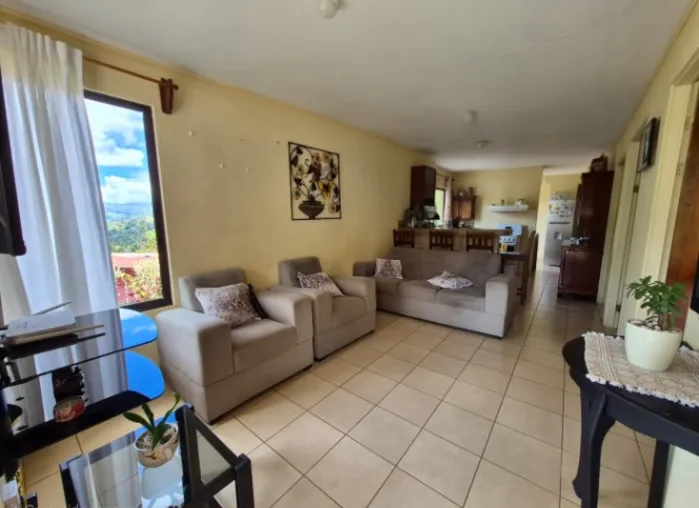
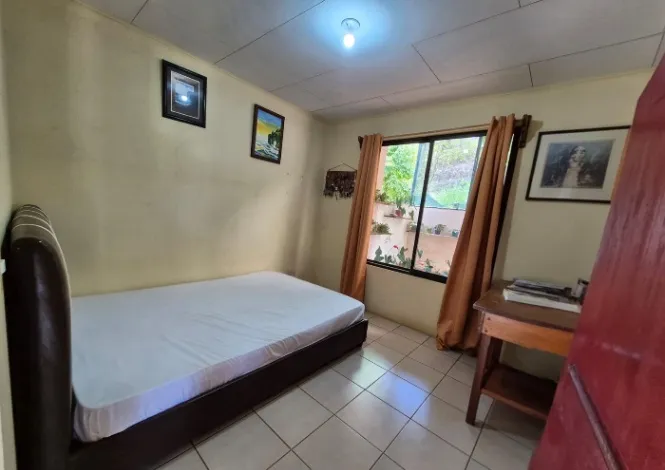
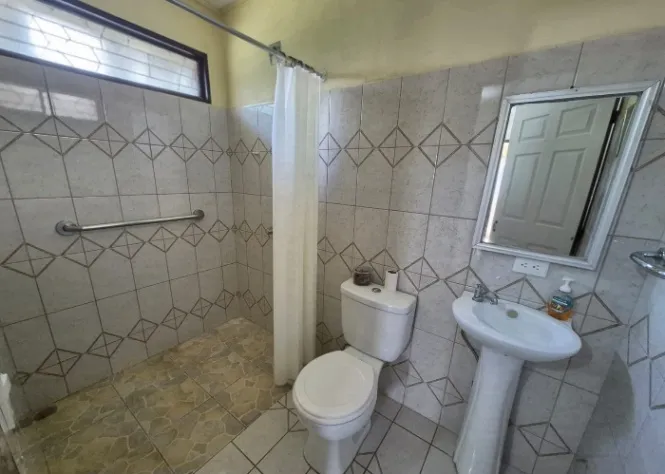
Río Nuevo is a rural, inland district of the canton of Pérez Zeledón, in San José province. Its area is large compared with a typical urban district, and it is not the canton seat. The district seat village is Santa Rosa. It is not coastal. Listings on the site cover houses, lots and land, and farms, so the market is mostly residential and agricultural rather than commercial.
Before moving, check the practical details of the specific property: how far it is from services, whether water comes from a public system or a private source, how noisy the surroundings are, and what the access road is like in the rainy season.
Cost of living
Housing is usually the largest cost, whether you buy land, a house or a farm. Rural districts also tend to add costs that city dwellers do not always expect, such as running a vehicle for most errands.
For a realistic budget, add utilities (electricity, water, internet and phone), daily transport or fuel, and the annual property tax if you buy, which is collected by the local authority, the Municipalidad de Pérez Zeledón. If a property is in a shared development, ask about monthly fees. When there are enough listings, this page shows above the typical prices for the types of property listed here.
Advertisements
Lifestyle
Daily life in Río Nuevo follows a rural pattern: homes and farms spread across several villages rather than one dense town center. Most people living in this kind of district plan their week around trips for shopping, banking, paperwork and medical visits.
The canton seat, San Isidro de El General, is the closest larger center for these errands, so having your own vehicle is a practical consideration. Pace, noise and neighbors will vary a lot between a lot near a village and a farm farther out, so visit the specific area more than once.
Climate and nature
Río Nuevo is inland and not coastal, in the southern part of the country. Costa Rica has a dry season and a rainy season: the dry months generally run from about December to April and the rest of the year is wetter. On the Pacific side of the country, rain tends to be heaviest in the later months of the rainy season.
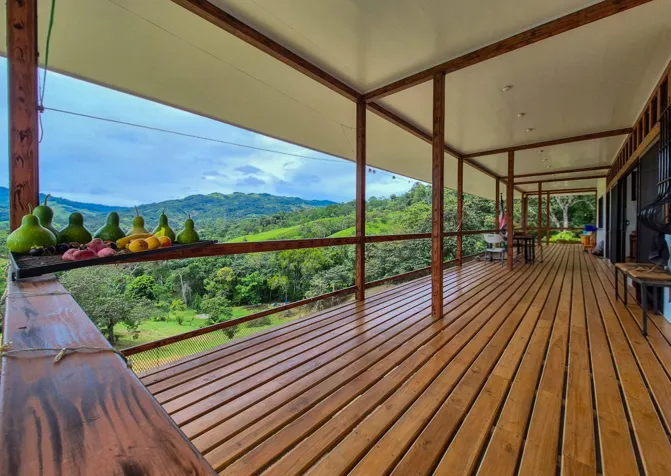
Conditions vary with elevation and slope, so higher and more exposed land is often cooler, cloudier and windier than lower land. The district borders several others on mountain terrain, so check how a property handles rain, runoff and humidity.
Economy and opportunities
The regional economy around Pérez Zeledón is generally based on farming, commerce and services, with some tourism. In a rural district such as this, land use and agricultural work are the most visible activities, and the property types listed here (farms, lots and houses) reflect that.
For work or study, the canton seat is the nearest hub for shops, offices and public services. San José and the international airport are much farther away, so commuting to the metro area daily is not practical for most people. Remote work depends on checking the internet options at the specific property.
Accessibility and location
Río Nuevo is district number 10 of the canton of Pérez Zeledón, in San José province. Its postal code is 11910 and its area is 241.8 km² (93.4 sq mi).
It borders San Lorenzo (canton of Tarrazú), Santa María (canton of Dota), Copey (canton of Dota), San Isidro de El General, Barú, Páramo, Savegre (canton of Quepos) and Naranjito (canton of Quepos).
In a straight line, it is 20.7 km (12.9 mi) from San Isidro de El General, the canton seat; 59.3 km (36.8 mi) from downtown San José; and 72.1 km (44.8 mi) from Juan Santamaría International Airport (SJO).
Official villages, from Costa Rica's territorial division (Decree 44882-MGP): Alto Mena, Brujo, Calle Los Mora, Chiricano, Gloria, Llano, Loma Guacal, Paraíso, Providencia, Purruja, Río Nuevo, San Antonio, Santa Marta, Savegre Abajo and Viento Fresco. Real travel time depends on the hour and the road.
History
Río Nuevo, located in Pérez Zeledón, San José, Costa Rica, has experienced notable growth since its founding in the 1960s, when it began as a small agricultural community. Over the years, it has evolved, integrating Costa Rican traditions such as the celebration of the Virgen de los Ángeles festival, which brings together residents in an atmosphere of community and culture.
Its ecological diversity and natural landscapes make it an attractive place to live, highlighting the importance of agriculture and ecotourism.
Tips
Before deciding, drive the routes you would use every day at different hours, including early morning and evening, and in both dry and rainy weather. Ask the owner about water and electricity at the property, whether the supply is public or private, and request recent bills.
If you rent, sign a written lease under Costa Rica's General Law of Urban and Suburban Leases, Law 7527. If you buy, have a lawyer check the title at the National Registry. You can also use Anuntico to save listings in this zone and compare them over time.