

Quality of life
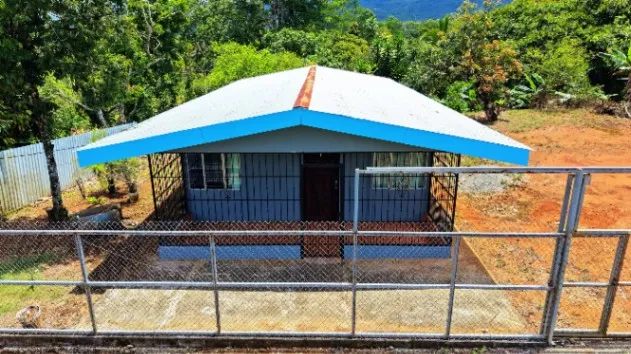
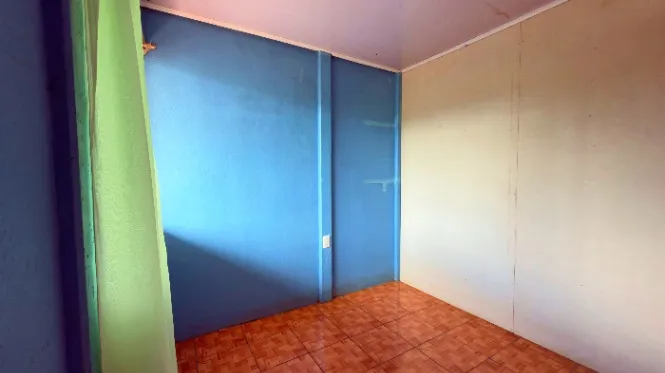
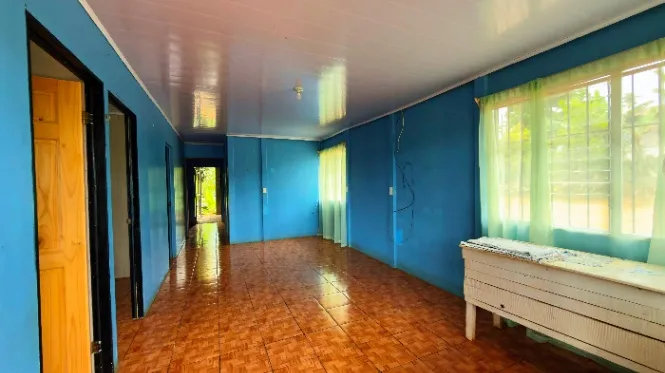
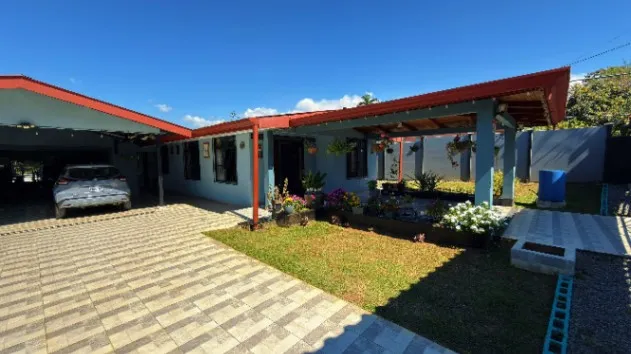
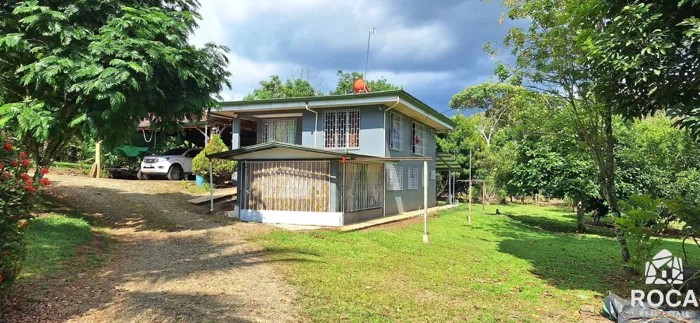
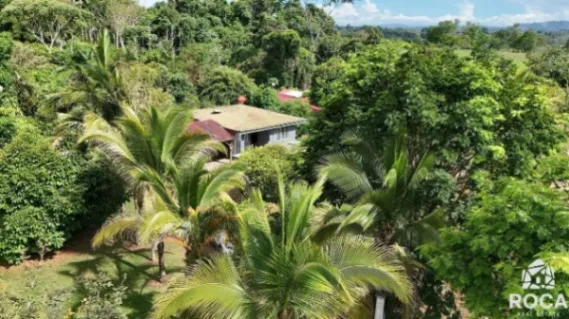
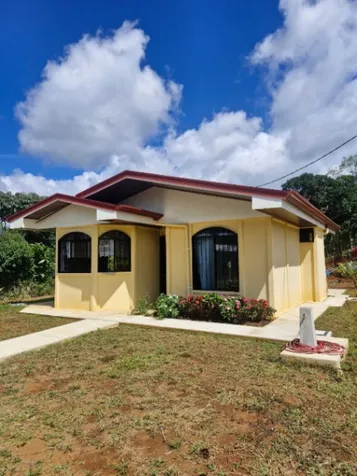
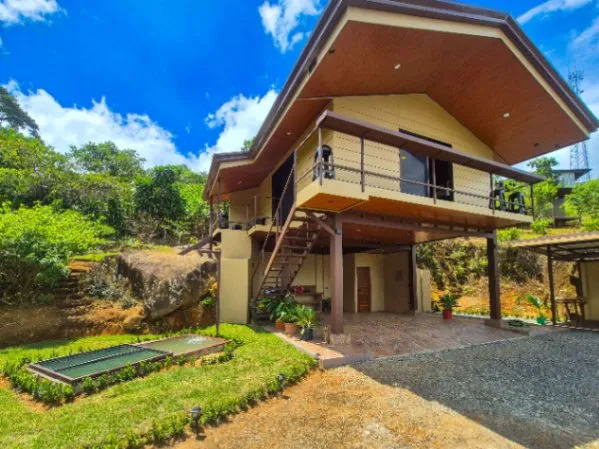
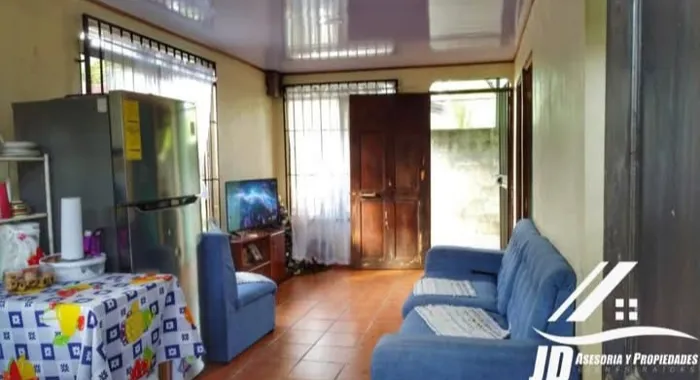
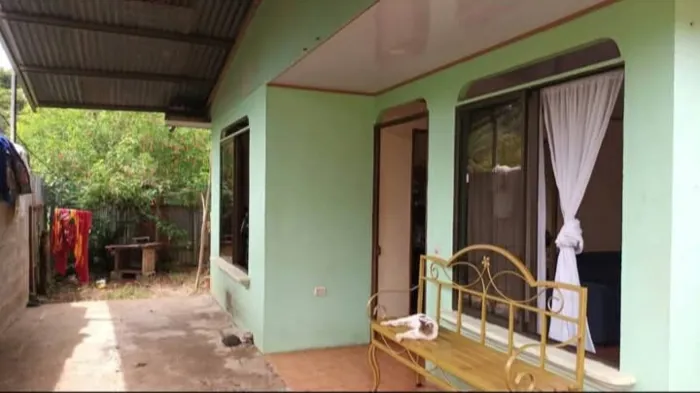
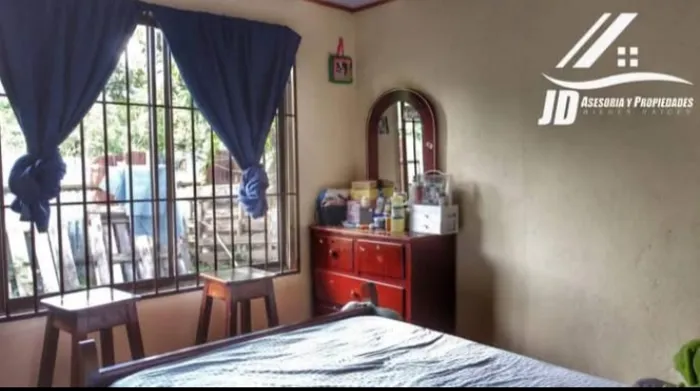
San Pedro is the fifth district of the canton of Pérez Zeledón and is inland, not coastal. Its area is large and it borders several districts, including two that belong to other cantons, so the surroundings can change a lot from one part of the district to another. The listings for sale cover houses, lots and land, farms and commercial spaces, which points to a mix of residential, rural and small business use.
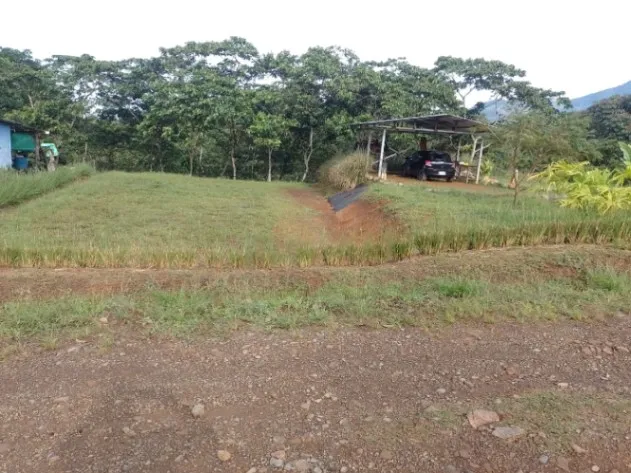
Before moving, check the practical details on site: how water is supplied, whether the road to the property is paved and passable in the rainy season, noise levels, and how far the nearest services are from the specific address.
Cost of living
Housing is usually the largest expense, and it depends on the property type: a house, a lot or a farm each carries different costs. In a district with rural areas, daily transport often weighs more in a budget than newcomers expect, especially if you drive to the canton seat for errands.
Add utilities such as electricity, water and internet, property tax if you buy, and condo or association fees if the property belongs to a shared development. When there are enough listings, this page shows above the typical rent and purchase prices for the zone, which helps set a starting budget.
Lifestyle
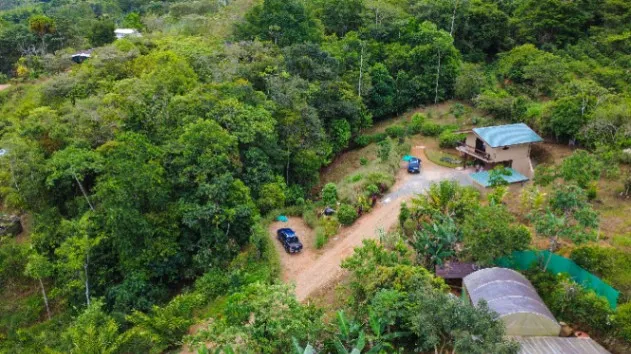
The pack describes a district with many named villages and a single official neighbourhood, which suggests a mostly rural daily life with scattered communities rather than a dense urban grid. Expect to rely on a car or on local transport for shopping, banking, paperwork and other errands.
The canton seat, San Isidro de El General, is the closest larger center for those tasks, and the local authority is the Municipalidad de Pérez Zeledón. Daily routines will depend heavily on which village you choose and how far it sits from the main roads.
Climate and nature
San Pedro is not coastal. As in most of Costa Rica's Pacific side, the year splits into a dry season, roughly December to April, and a rainy season for the rest of the year. Rain is usually heavier on the higher and more exposed slopes and lighter in lower, more sheltered areas.
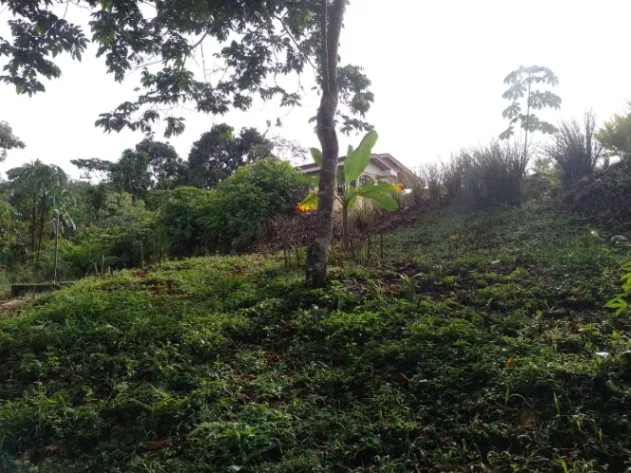
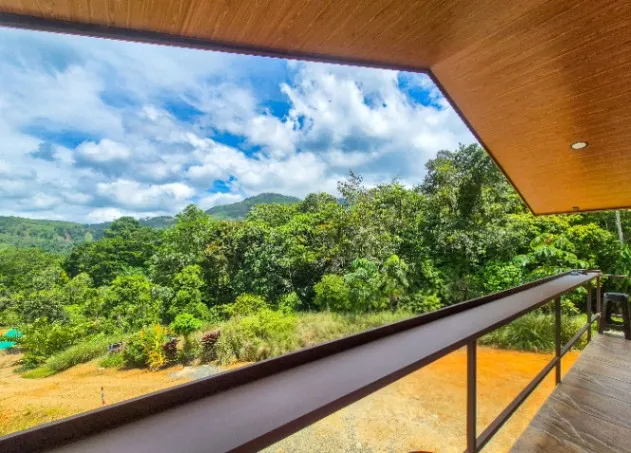
The district borders La Amistad and Telire, areas associated with mountainous terrain, so elevation and terrain can vary within the district. Ask about drainage, slope and access to the property during the rains.
Economy and opportunities
The economic profile of this part of the country is mainly farming, along with commerce and services centered on the canton seat. The farms and commercial spaces among the listings fit that profile. Some residents may also work remotely or run small local businesses.
San José is far enough that a daily commute to the metro area is not practical for most people, and the international airport is also a long trip. Jobs in the capital region or frequent flights usually call for a different base, while work tied to the local area or done remotely is more realistic here.
Accessibility and location
San Pedro is district number 5 of the canton of Pérez Zeledón, in the province of San José. Its postal code is 11905 and its area is 205.7 km² (79.4 sq mi). It borders the districts of Rivas, Cajón and La Amistad in the same canton, Volcán in the canton of Buenos Aires, and Telire in the canton of Talamanca.
In a straight line, it is 22.7 km (14.1 mi) from the canton seat, San Isidro de El General, 91.2 km (56.7 mi) from downtown San José and 106.4 km (66.1 mi) from Juan Santamaría International Airport (SJO).
According to Costa Rica's official territorial division (Decree 44882-MGP), the official neighbourhood is Cruz Roja. The villages are Alto Calderón, Arenilla, Cedral, Fátima, Fortuna, Guaria, Junta, Laguna, Rinconada Vega, San Jerónimo, San Juan and San Juancito, among others. Real travel time depends on the hour and the road.
History
San Pedro, a district of Pérez Zeledón, San José, Costa Rica, has evolved since its founding in 1906. Over the years, the agricultural tradition has been key, with crops like coffee and sugar cane marking its history.
The community celebrates festivities such as the patron saint festivals in honor of San Pedro Apóstol every June, where music and dance take center stage. The blend of cultures has enriched its identity, and today San Pedro offers access to services and natural surroundings.
Tips
Drive the daily route you would actually use at different hours, including early morning and evening, to see how the roads behave. Ask the owner or agent about water supply and utilities for the specific property, and request recent bills so you know the real monthly costs.
If you rent, sign a written lease under Costa Rica's General Law of Urban and Suburban Leases, Law 7527. If you buy, have the title checked at the National Registry. You can also save listings for this zone on Anuntico to follow what comes up.
In summary
Living in San Pedro, Pérez Zeledón, San José, Costa Rica, is an ideal choice for those looking to establish their home or invest, thanks to its exceptional quality of life and its privileged natural environment. San Pedro is a large, inland, mostly rural district of Pérez Zeledón with many small villages and a mix of houses, lots, farms and commercial spaces. It makes most sense for buyers who want a country setting and can manage distance from the capital and the airport. Visiting at different times of year and checking services at the exact address will show whether it fits your plans.