


How to rent in Costa Rica as a foreigner
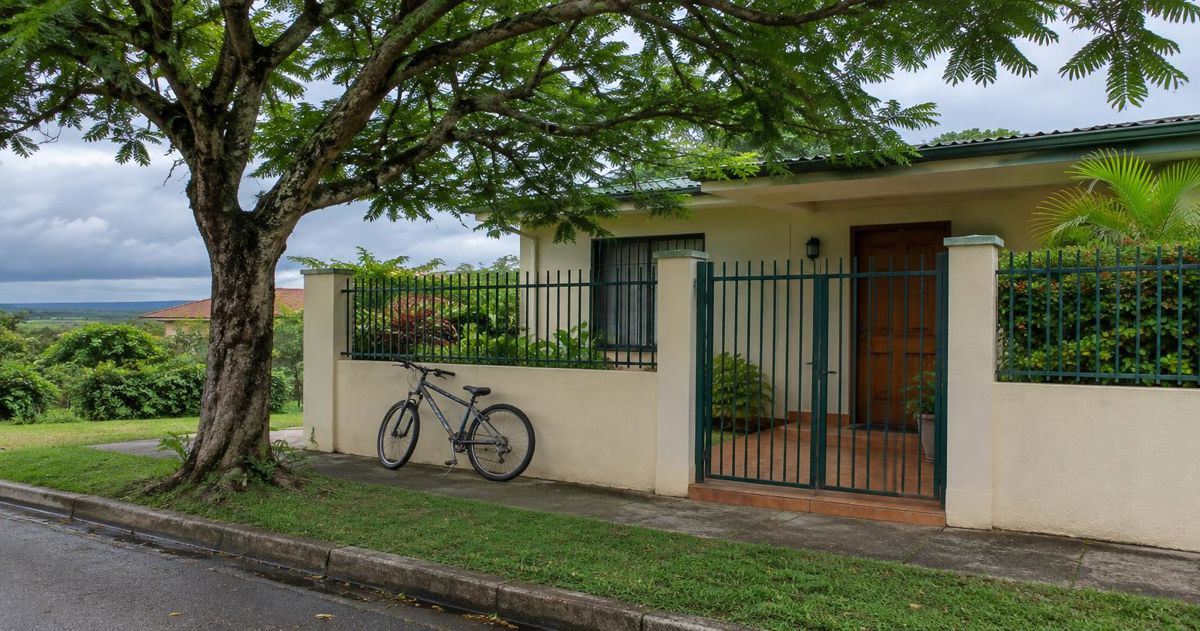
This guide is for those who come to Costa Rica to try the country before buying. It explains how to rent a home long term, what documents and guarantees landlords ask a foreigner for, how a lease in dollars works and how it differs from a seasonal rental. At the end, it suggests what to watch while you live as a tenant so you can decide whether to buy and where.
Why rent before buying if you come from abroad?
| Type | Median | Typical range | Listings |
|---|---|---|---|
| Houses | US$1,800 | US$1,304 – US$2,700 | 1,206 |
| Apartments | US$1,196 | US$950 – US$1,400 | 1,870 |
Buying a home in Costa Rica from another country is a decision made with photos, maps and other people’s opinions. Renting first lets you check in person what no listing says: how long the drive to the supermarket or the clinic takes, how the street behaves when it rains, how strong the afternoon heat is in Guanacaste or the fog in the higher parts of Cartago and Heredia, and whether the neighborhood has the life you are looking for. A mistake about the area is fixed with a notice to leave; after a purchase, it is fixed by selling.
Renting also gives you time to understand the local market before committing your savings. The table in this section shows the monthly rent asked this month for houses and apartments across the country; it works as a reference for your budget and for comparing what you see among the homes for rent in Costa Rica with what you are offered through direct contact. Keep in mind that these are prices asked in listings, not the amounts finally signed in the lease.
Our recommendation: rent in the area where you plan to buy, not in the one that is easiest to reach. If you are torn between the coast and the Central Valley, consider living first where you would spend most of the year and visit the other option on short stays. That way you compare climates, distances and everyday costs with your own routine, not with that of a vacation.
Advertisements
What do landlords ask a foreigner for?
In Costa Rica there is no official list of requirements for tenants: each landlord or property manager sets their own. In practice, a foreigner is usually asked for a valid passport with its entry stamp, some proof of income or savings, references from previous rentals and a guarantee. If you already hold your immigration identity document, it usually gives the landlord more confidence than the passport alone.
The most common guarantee is a deposit, which the landlord returns at the end if the house is in good condition and nothing is owed. Some landlords also ask for a guarantor with assets or income in the country, which is hard for a newcomer; in that case a larger deposit is usually negotiated. Under article 59 of the Ley General de Arrendamientos Urbanos y Suburbanos (Law 7527), any guarantee attached to a lease, whatever its nature, answers for the rent and for every other obligation arising from the law or the contract, unless expressly agreed otherwise.
| Document or guarantee | What it is for | Practical tip |
|---|---|---|
| Valid passport | Identifying you in the lease | Bring a copy of the data page and the entry stamp |
| Proof of income or savings | Showing you can pay | Recent bank statements or a letter from your employer or pension |
| References | Knowing your record as a tenant | Letters from previous landlords, even from another country |
| Security deposit | Covering rent, damage and debts | Ask for a receipt and write in the lease when and how it is returned |
| Guarantor | Backing the lease with a third party | If you do not have one, propose another guarantee in writing |
That rule has a practical consequence: the deposit can be used to cover damage or unpaid utilities, not only the rent. That is why it pays to receive the house with an inventory and dated photos. Before handing over money, ask to see the full lease and check that whoever signs is the owner or has the power to rent; the owner of record is confirmed at the Registro Nacional. If the lease is in Spanish and you are not fluent, ask for a translation or review it with a lawyer.
How long does the lease last and how do you leave early?
This is the point that most surprises people from other countries. Under Article 70 of Law 7527, a lease cannot last less than 3 years: if it sets a shorter term or none at all, it is deemed agreed for 3 years, counted from the day the tenant receives the property. A lease that says “one year” is treated, by law, as a 3-year lease.
That term protects the tenant, but it does not lock them in. Article 72 of that law provides that, unless otherwise agreed in writing, the tenant may end the lease by giving the landlord 3 months' notice, without changing the other obligations the lease created. In practice, if you decide the area is not for you, you can leave with that notice; everything else you signed remains in force until you hand the house back.
Read the termination clause carefully: the 3-month rule applies unless otherwise agreed in writing, so a lease may set other conditions for leaving early. Send the notice in writing, dated, and keep proof that the landlord received it. When you hand the house back, go through the initial inventory with the landlord and record the condition in which you leave it.
What happens if the lease is signed in dollars?
Many leases for foreigners are signed in dollars, especially on the coast and in areas where the landlord also makes a living from tourism. The law allows it and sets two rules worth knowing before signing. The first is in Article 67 of Law 7527: if the rent for a home was agreed in a foreign currency, for example US dollars, the agreed amount stays the same for the whole term of the contract, with no right to an increase.
The second is in Article 57 of that law: if the rent was agreed in a foreign currency, the tenant may pay it in colones, at the Banco Central de Costa Rica selling exchange rate in force on the payment date. This gives you flexibility if your income arrives in a colón account, but it also means the amount in colones changes from one month to the next with the exchange rate. Agree in writing on the account, the method and the payment day.
Our reading for foreigners: a lease in dollars gives you a fixed rent in the currency you probably earn, and the annual increase that colón residential leases may carry does not run for a home leased in dollars. If the landlord proposes an increase clause on a rent in dollars, have a lawyer review it before signing. To compare entry-level options, the cheap homes for rent in Costa Rica show what is listed at the lower end of the market.
Seasonal rental or residential lease?
Not everything that is rented is a residential lease. Under Article 7 of Law 7527, that law does not apply to hotels, guesthouses and similar establishments, nor to tourist homes let by the season in areas that the Costa Rican Tourism Institute (ICT) declares suitable for tourism through a resolution published in the official gazette. In those cases the minimum term, the notice to leave and the dollar rent rules explained above do not apply.
For a newcomer, the difference is practical. A seasonal rental works for the first weeks: you arrive, tour areas and search calmly, without signing a long commitment. But if you plan to stay for months, it makes sense to move to a residential lease, with the protections of the law and a monthly rent designed for someone who lives in the house, not for someone vacationing in it.
If you are offered a furnished house “by the season” in a residential area, ask what type of contract you will sign and why. Ask that the document state clearly whether it is a residential lease or a tourist rental, and if in doubt consult a lawyer before paying the deposit.
What we would do before signing
- A seasonal rental of a few weeks to tour areas, then a residential lease in the one that convinces you most.
- The full lease in writing, in a language you understand, and confirmation at the Registro Nacional of who the owner is.
- A rent in dollars if your income arrives in dollars, knowing it does not rise during the term.
- The deposit handed over with a receipt, an inventory and dated photos of the condition of the house when you receive it.
- While you rent, keeping track of the homes for sale in Costa Rica in your area and of home prices in Costa Rica so you reach the purchase with references.
Frequently asked questions
How do you search for and check a house from abroad?
You can start from your own country: filter listings by area and property type, ask for live video calls with the landlord and request current photos of bathrooms, kitchen, roof and meters. Do not pay a deposit for a house that no one you trust has seen: if you cannot come, ask an acquaintance or a professional to visit it for you. Be wary of anyone who asks for urgent transfers abroad or refuses to show the property in person.
What should you watch while living as a tenant if you plan to buy?
Use your rental period as a long test: note how water and electricity work in the dry and the rainy season, how long it takes to reach health services, the noise at night and the state of the roads. Also compare what is asked for cheap homes for sale in Costa Rica with better-located properties, and talk to neighbors about the area. When you decide to buy, do it with a notary and a title search of the property.
Is it wise to sign the lease before arriving in the country?
Only if someone you trust has seen the house and you have reviewed the full lease. Remember that, by law, the minimum term is 3 years even if the text says less, and that leaving early requires the notice set by the lease or the law. Signing after seeing the house, with a few weeks in the country, lowers the risk of being tied to a home that does not suit you and lets you negotiate with more information.
This guide summarizes the practice of residential renting in Costa Rica for foreigners in 2026 and does not replace the advice of a lawyer or a notary, who can review your lease and your situation before you sign.
Advertisements
More in Retiring in Costa Rica
Moving to Costa Rica, Retiring in Costa Rica
Where to retire in Costa Rica: Central Valley or coast
Moving to Costa Rica, Retiring in Costa Rica
Costa Rica cost of living for retirees: how to budget
Moving to Costa Rica, Retiring in Costa Rica
Healthcare for foreign residents: the Caja and private cover
Moving to Costa Rica, Retiring in Costa Rica
Costa Rica pensionado residency: requirements and process
Most viewed in Moving to Costa Rica
Moving to Costa Rica, Investing as a foreigner
Can foreigners buy property in Costa Rica?

Moving to Costa Rica, Relocating to Costa Rica
Costa Rica digital nomad visa: requirements and renting
Moving to Costa Rica, Investing as a foreigner
Buying a lot to build in Costa Rica: what to check
Moving to Costa Rica, Investing as a foreigner
Renting to tourists in Costa Rica: a guide for foreign owners