


Where to retire in Costa Rica: Central Valley or coast
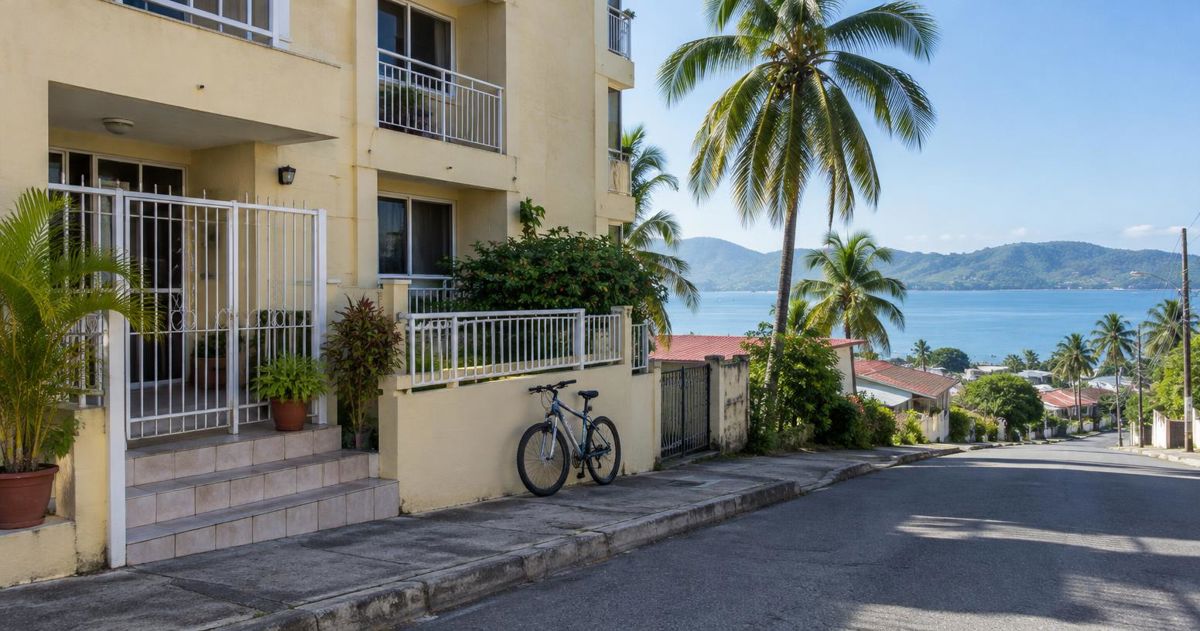
Choosing where to retire in Costa Rica usually comes down to one question: the mild climate of the Central Valley or life by the sea in Guanacaste, Puntarenas or Limón. This guide is for anyone about to retire, whether they live in the country or are coming from abroad, and it sorts out what matters in that decision: climate, healthcare, community, the cost of keeping up the house and how much is on offer today on the site in each province.
Where is there more on offer today, and at what asking price?
| Province | Median | Typical range | Listings |
|---|---|---|---|
| Guanacaste | US$417k | US$225k – US$836k | 239 |
| Heredia | US$315k | US$213k – US$510k | 1,527 |
| Puntarenas | US$302k | US$175k – US$520k | 478 |
| San José | US$300k | US$205k – US$485k | 3,707 |
| Alajuela | US$272k | US$174k – US$467k | 1,722 |
| Cartago | US$185k | US$146k – US$315k | 707 |
| Limón | US$130k | US$80k – US$238k | 115 |
The table in this section shows this month's prices: the provinces ranked by the median asking price for a house on Anuntico, with the number of listings in each. It is updated every month, so the reading below does not repeat its figures; it explains how to use it to decide between the Central Valley and the coast.
In general, the Central Valley provinces —San José, Heredia, Alajuela and Cartago— concentrate more listings because most of the population lives there, which gives more options to compare. On the coast, supply is spread across smaller towns and changes a great deal from one canton to the next: in tourist beach areas such as Santa Cruz in Guanacaste or Garabito in Puntarenas, part of the houses are listed with foreign buyers in mind, and the asking price reflects it. The breakdown by province and canton is in home prices in Costa Rica.
Our reading: a province's median is a starting point, not the price of the house you will buy. Very different cantons sit within the same province: Alajuela includes Atenas and Grecia, both sought after by retirees, as well as much quieter rural areas. To see what is available today, filter the homes for sale in Costa Rica by canton and compare the same kind of house; and if your budget is tight, the cheap homes for sale in Costa Rica show where supply begins, almost always far from town centers and the beach.
Advertisements
Why does the Central Valley attract so many retirees?
The main reason is the climate. The Central Valley sits at altitude, between mountain ranges, which gives mild days almost all year, cool nights and little need for air conditioning. The rainy season runs from May to November, with sunny mornings and afternoon downpours; from December to April skies are clear and windy. For many older people, that climate is easier to live with than the humid heat of the coast, especially for those with high blood pressure or breathing problems.
Altitude changes the climate from one canton to another. Atenas and Grecia, in Alajuela, are warmer and drier; Escazú and Santa Ana, west of San José, have an intermediate temperature; in the higher parts of Heredia, such as San Rafael or Barva, and in Cartago it gets cold at night and fog is common. Some people look for exactly that, and others realize after buying that the house needs a heater and that dampness shows up in the closets.
Our reading: if climate is the reason for choosing the Central Valley, visit the canton during the rainy months and not only in the dry season. October afternoons in the higher parts of Heredia or Cartago are very different from a February morning, and that is the life you will have for much of the year. Ask the neighbors how the house behaves in the rainy season: whether water gets in, whether the power goes out with storms and whether the street becomes hard to travel.
What are the advantages of the coast, and what does it take to keep up a house near the sea?
The coast offers what the Central Valley lacks: the sea, a slower pace and, in many areas, more space. In Guanacaste the climate is dry and hot, with a long dry season in which the hills turn brown; on the central and southern Pacific, around Quepos or Uvita, it rains more and the vegetation is dense; on the Caribbean, in Limón, it rains at any time of year and the culture differs from the rest of the country. Each coast is its own climate, not a single option.
The cost people calculate least is upkeep. Salt air corrodes iron, sheet-metal roofs, gates, appliances and air conditioning units far faster than in the highlands; humidity brings mold to walls and furniture, and the sun wears down paint. Add to that the electricity bill for air conditioning, garden care, since plants grow fast in the rainy season, and, if the house sits empty part of the year, someone to look after it. Before buying, ask the seller for recent electricity and water bills, and ask when the house was last painted and the roof last replaced.
Our reading: on the coast, compare houses by the condition of their materials as much as by the asking price. A house whose roof, windows and structure were designed for the seaside climate can turn out cheaper over ten years than one that asks less but demands constant repairs. An inspector or engineer who reviews the house before you sign is a small expense compared with those repairs, and it gives you arguments to negotiate.
How close are hospitals, the airport and shops?
For a retiree, the distance to a hospital matters more than the view. The country's largest hospitals, both the public ones of the Costa Rican Social Security Fund (the Caja) and private ones, are in the Central Valley, mainly in San José, Escazú, Heredia and Alajuela. On the coast there are regional public hospitals and private clinics in cities such as Liberia, Puntarenas or Limón, but a specialist or complex surgery usually means a trip to San José.
The airport also counts if your children or grandchildren live abroad. Juan Santamaría, in Alajuela, is close to almost all of the Central Valley; Daniel Oduber, in Liberia, serves Guanacaste. The southern Pacific and the Caribbean are several hours by road from either one. Shops follow a similar pattern: large supermarkets, pharmacies, banks and hardware stores abound in the highlands, while in many beach towns you have to drive to the canton's main town for paperwork or larger purchases.
Our reading: measure the trips at the hours you would make them, not on the map. From Atenas or Grecia, reaching a hospital in San José can take longer than it seems at rush hour; from a beach town, the road in the rainy season can lengthen the journey. If you plan to stop driving in a few years, the right house is within walking distance of a pharmacy, a bus stop and a supermarket.
What are the expat communities and daily life like?
Costa Rica has communities of foreign retirees that have been settled for decades. In the Central Valley they cluster in Escazú, Santa Ana, Atenas, Grecia, San Ramón and the higher parts of Heredia; on the coast, in Guanacaste areas such as Tamarindo, Playas del Coco or Nosara, on the central Pacific around Jacó and Quepos, and in the south, near Uvita and Ojochal. On the southern Caribbean, Puerto Viejo brings together foreigners from many countries. These communities organize groups, volunteering and activities, and help with everyday paperwork.
Daily life changes with the area. In Central Valley cantons with many foreigners there are services in English, varied restaurants and an active social life, but also more traffic and prices aimed at that public. In a Costa Rican town without a foreign community, life is quieter and usually costs less, and Spanish becomes essential to talk with the neighbor, the doctor or the plumber.
Our reading: a large foreign community makes the first months easier, but it does not replace the relationship with Costa Rican neighbors. Those who learn the language and take part in neighborhood life —the farmers' market, the church, the walking group— tend to integrate better, find help faster when they need it and depend less on services designed for tourists.
Why rent for a few months in two areas before deciding?
Buying without having lived in the area is the most common mistake. A vacation visit shows a place at its best; a few months of renting show the weekend noise, the traffic, the afternoon rain, the quality of the water and electricity, and how long it takes to reach the doctor. Renting in two different areas —for example, a Central Valley canton and a coastal town— lets you compare by the same yardstick before committing your savings.
The homes for rent in Costa Rica can be filtered by province and canton to build that plan, and the cheap homes for rent in Costa Rica help you see what is available outside the most sought-after areas. Ask for a written contract stating the term, the deposit and who pays the utilities, and if in doubt, consult a lawyer before signing.
- Choose two areas with different climates, one in the Central Valley and one on the coast.
- Rent in each for a few months, making sure one of them falls in the rainy season.
- Make the trip to the hospital, the supermarket and the airport at the real hour.
- Write down each month's spending on electricity, water, transportation and upkeep.
- Compare the two experiences and look for a house only in the area you chose.
What we would do before buying
- We would settle the climate first: coastal heat or highland mildness, and we would visit each area in the rainy season.
- We would measure the real trip to a large hospital and to the airport from every house we see.
- We would rent for a few months in two areas before signing a purchase.
- On the coast, we would ask for an inspection of the roof, the structure and the ironwork before making an offer.
- We would compare the asking price with its province's median in this month's table.
Frequently asked questions
Can a foreigner buy a house in Costa Rica?
Yes. In general, a foreigner can buy a house in their own name or through a company, on terms similar to those of a Costa Rican. The relevant exception is the coastal strip: in the maritime-terrestrial zone, except for properties with a valid registered title, land is granted under concession rather than ownership, and the law does not grant those concessions to foreigners who have not lived in the country for the minimum period it sets, nor to companies whose capital is mostly foreign-owned. Before buying near the sea, ask a notary to check in the National Registry whether the house is registered as property or as a concession, and to verify liens, survey plans and unpaid municipal taxes.
How does healthcare work for a retiree in Costa Rica?
Anyone who obtains residency, for example as a pensioner or as a person of independent means, must be insured with the Costa Rican Social Security Fund from the day residence is granted and without interruption, because the immigration authority checks it at each renewal; the monthly contribution gives access to the public network of clinics and hospitals. Many retirees combine that service with private insurance or paid consultations to shorten waiting times. Conditions and amounts change, so it is wise to confirm the contribution at a Caja branch before moving.
Is a house or an apartment better for a retiree?
It depends on how much upkeep you want to take on. A house offers space and a garden, but demands constant care, especially on the coast. An apartment or a house in a condominium spreads upkeep through the association fee, offers more security and is usually closer to shops, in exchange for less privacy and internal rules. For those who plan to spend stretches outside the country, the second option is usually more practical, because someone watches the property while you are away.
This guide summarizes common practice for choosing where to retire in Costa Rica and does not replace the advice of a lawyer or a notary, who should review each purchase, lease or residency application according to your situation.
Advertisements
More in Retiring in Costa Rica
Moving to Costa Rica, Retiring in Costa Rica
How to rent in Costa Rica as a foreigner
Moving to Costa Rica, Retiring in Costa Rica
Costa Rica cost of living for retirees: how to budget
Moving to Costa Rica, Retiring in Costa Rica
Healthcare for foreign residents: the Caja and private cover
Moving to Costa Rica, Retiring in Costa Rica
Costa Rica pensionado residency: requirements and process
Most viewed in Moving to Costa Rica
Moving to Costa Rica, Investing as a foreigner
Can foreigners buy property in Costa Rica?
Moving to Costa Rica, Relocating to Costa Rica
Costa Rica digital nomad visa: requirements and renting
Moving to Costa Rica, Investing as a foreigner
Buying a lot to build in Costa Rica: what to check
Moving to Costa Rica, Investing as a foreigner
Renting to tourists in Costa Rica: a guide for foreign owners