


Investor residency: when buying a home qualifies you
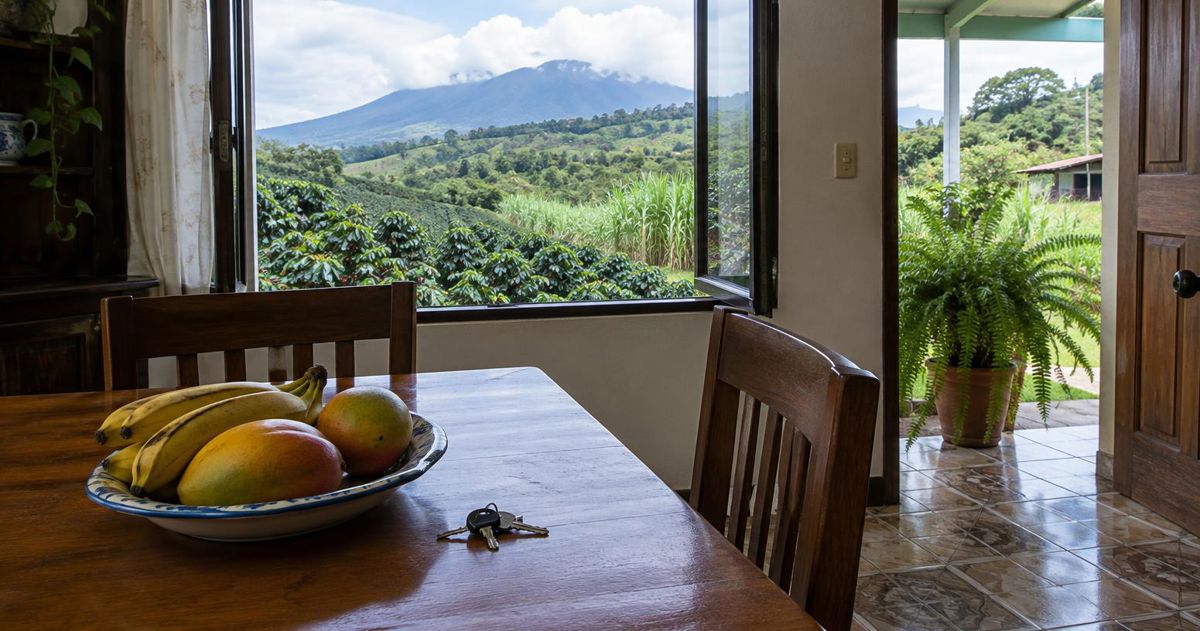
Buying a home in Costa Rica can open the door to temporary residence as an investor, but not every purchase qualifies. The Ley para la atracción de inversionistas, rentistas y pensionados (Law 9996) and its regulation set which investment counts, how much it must add up to and in whose name the property must be. This guide is for the foreigner who plans to buy a home and wants to know, before signing, whether that purchase will work before the immigration authority.
What is investor residency and what does it allow?
Investor residency is one of the subcategories of temporary residence. Under article 79 of the Ley General de Migración y Extranjería (Law 8764), retirees, people living on income and investors belong to that category, which the immigration authority grants for more than 90 days and up to 2 years, extendable for an equal period. In practice, it is the route for someone who wants to live in Costa Rica on the basis of assets invested in the country, not a job or a family tie.
For the investor, articles 4 and 10 of the regulation of Law 9996 (Executive Decree 43926-MGP-H-TUR) provide that residence is granted for 2 years, renewable for equal periods. That residence has a clear limit: under article 13 of that regulation, neither you nor your dependants may do any paid manual or intellectual work. Anyone who plans to take a job in the country or charge for professional services should assess another category with a lawyer before buying.
Nor does it change your tax situation on its own. Article 6 of Law 9996 and article 26 of its regulation make clear that holding immigration residence as a pensionado, rentista or investor does not automatically make you a Costa Rican tax resident: that status is acquired only if you meet the requirements of the Income Tax Law and its regulation. They are two different statuses and two different analyses, and it is worth reviewing them with an accountant.
Advertisements
Which investment in a home counts and which does not?
The starting point is the amount. Under articles 4 and 31 of the regulation of Law 9996 and article 8 of the Código Civil, the US$200,000 that the Immigration Regulation (Reglamento de Extranjería) required for investor residence was repealed in February 2023, and today the only figure in force in any regulation is the US$150,000 of the Law 9996 regulation. Even so, Law 9996 itself sets that figure “for the term established by this law”, so before buying, confirm in writing with the immigration authority the amount that applies to your application.
If you buy with a loan, article 7 of that regulation provides that only the down payment counts, and it must reach the minimum investment amount on its own or together with your other accepted investments. A home financed almost entirely, therefore, will not qualify you for residence even if its total price is high. If you browse homes for sale in Costa Rica with that goal, work out your own contribution first and then look at the listing price.
A trust has its own rule: under article 4 of the regulation, if the investment is made through a trust, only the settlor (fideicomitente), who is the person making the investment, can apply for investor residence. The other parties do not obtain it this way. In short, assets registered to a company do not count, nor does the part of the purchase paid by the bank, nor any contribution you cannot document as your own.
How is the value proven and why must it be in your name?
Article 7 of the regulation requires you to be the registered owner in your own name, because assets registered to a company are not accepted. This is the most important difference from a common practice in Costa Rica, where many foreign buyers register their home in a corporation for convenience or estate planning. For residence, that home does not work: the investment has to appear in the National Registry under your name.
Nor is the value proven with the price in the deed or in a listing. The same article requires a municipal certificate no older than 3 months showing the property's value and that municipal taxes are paid up. The home prices in Costa Rica that sellers publish are useful for negotiating, but what the immigration authority looks at is the value on record at the municipality of the canton where the property sits. If that recorded value is low, ask the municipality how to update it before requesting the certificate.
| How it is registered | Does it count for residence? | What to check |
|---|---|---|
| In your own name | Yes | Municipal certificate no older than 3 months |
| In the name of a company | No | Assess a transfer to your name with your lawyer |
| Through a trust | Only for the settlor | That you appear as the person investing |
| With a mortgage loan | Only the down payment | That your own contribution reaches the minimum |
If you already bought in the name of a company, moving the home into your name is a transfer with its own costs and taxes. Before doing it, ask a notary to explain what it will cost and whether it makes more sense than applying under another residence category.
Which documents does immigration require and how does the process work?
The application is filed with the immigration authority, and the real estate part is only one piece of the file. This is the practical order we recommend for anyone buying a home for this purpose:
- Confirm with a lawyer that the home is registered in your name, outside any company, and that your own contribution reaches the minimum in force.
- Request from the municipality the certificate showing the property's value and that municipal taxes are paid up, no older than 3 months.
- Obtain the registry certificate for the property and, if there was a loan, proof of the down payment.
- Gather the personal documents the immigration authority requires from every applicant, with the legalization or apostille that applies.
- File the application and follow up on the file until the decision.
- Once residence is granted, enroll with the CCSS immediately and keep the insurance without interruption.
The last step is not optional. Articles 7, 80 and 86 of Law 8764 and articles 31 and 210 of the Reglamento de Extranjería (Executive Decree 37112-GOB) provide that, as a temporary resident, you must be insured with the CCSS from the day residence is granted and without interruption, because the immigration authority checks it before each renewal and the extension requires that insurance. A home in your name does not make up for a lapse in that insurance.
Keep in mind that the municipal certificate expires quickly. Plan the timing of the purchase, the registration and the filing so that it is still valid on the day you submit the application, and avoid requesting it before the deed is registered in your name.
What happens if you sell the home after getting residence?
This is the least explained risk. Under articles 4 and 10 of the regulation of Law 9996, to renew residence you must prove that you kept the investment continuously and without interruption since it was granted. If you sell the home during those 2 years and do not replace it with another accepted investment, you will not be able to show that continuity when renewal comes.
If you plan to move, the prudent decision is to coordinate the sale and the new purchase with your lawyer so the investment is not left uncovered for a single day, or to switch to another category before selling. If after selling you decide to live for a while in one of the homes for rent in Costa Rica, remember that paying rent is not an investment: it does not count toward keeping investor residence.
The same applies to changes in ownership: transferring the home to a company or placing it in a trust where you are not the settlor takes it outside the conditions that earned you residence. Consult your lawyer before signing any deed involving that property.
What we would do
- Check the title at the National Registry before making an offer and, if the seller holds the home in a company, negotiate for the deed to be issued in the buyer's name.
- Work out your own contribution, not the total price, if you will finance part of the purchase with a bank.
- Request the municipal certificate as soon as the home is registered, to know the recorded value before filing the application.
- Enroll with the CCSS in the same month residence is granted and never fall behind on contributions.
- If you need somewhere to live while you decide, compare cheap homes for rent in Costa Rica before committing the investment.
Frequently asked questions
Investor, retiree or rentista: which one suits you?
All three are subcategories of temporary residence under article 79 of Law 8764. The investor category rests on invested assets and requires keeping them; the retiree and rentista categories are based on income you prove, not on a property. If your pension or income already qualifies, you can choose the home purely on taste and budget, even among cheap homes for sale in Costa Rica, without tying it to your immigration status. If you lack that income, investment is the route. Settle the category with your lawyer before buying.
Can you work in Costa Rica with this residence?
Not in paid work. Article 13 of the regulation of Law 9996 prohibits it for you and your dependants: no paid manual or intellectual work. If your plan includes working, or having your partner or adult children work, review another immigration category with a lawyer before filing, because switching categories later will cost you time and a new file.
Does residence make you pay taxes as a tax resident?
Not automatically. As article 6 of Law 9996 provides, immigration residence and tax residence are different statuses: the second depends on meeting the requirements of the Income Tax Law and its regulation. You will pay the taxes that come with the home, such as the municipal tax, which must also be paid up to obtain the certificate. Review your situation with an accountant in Costa Rica and in your home country.
This guide summarizes practice in Costa Rica under the rules in force in November 2026 and does not replace the advice of a lawyer or a notary, who should review your case, the property's title and your file before you buy or apply to the immigration authority.
Advertisements
More in Investing as a foreigner
Moving to Costa Rica, Investing as a foreigner
Can foreigners buy property in Costa Rica?

Moving to Costa Rica, Investing as a foreigner
Buying a lot to build in Costa Rica: what to check
Moving to Costa Rica, Investing as a foreigner
Renting to tourists in Costa Rica: a guide for foreign owners

Moving to Costa Rica, Investing as a foreigner
What you actually buy near the sea in Costa Rica
Most viewed in Moving to Costa Rica
Moving to Costa Rica, Investing as a foreigner
Can foreigners buy property in Costa Rica?
Moving to Costa Rica, Relocating to Costa Rica
Costa Rica digital nomad visa: requirements and renting
Moving to Costa Rica, Investing as a foreigner
Buying a lot to build in Costa Rica: what to check
Moving to Costa Rica, Investing as a foreigner
Renting to tourists in Costa Rica: a guide for foreign owners